
Finding my way back
How can it be five years since I’ve written a swim blog post? A lot has happened in that time.
Around the beginning of 2022 I was diagnosed with axial spondylitis (a form of arthritis in my spine), which wasn’t too bad but meant I was very stiff when I woke up. However, when I got covid in March 2022 the symptoms accelarated and for a long while I was battling long-covid symptoms and increasing pain. In May I started biological treatment which was a game changer.
However, in the summer of 2022 saw a series of extremely challenging events which left me adding PTSD symptoms to the mix.
My new world showed chronic fatigue, pain (mostly at night), an inability to get quality sleep and being triggered by all sorts of things, some of which make sense.
Prior to 2022 my norm was 8-10 hours of training in the pool, now I can generally manage 1 hour in the pool with my masters squad, but the other sessions often feel out of reach, but I have added pilates and circuits to the mix to provide the movement that keeps back pain in check.
It’s been interesting to have to completely reset expectations. By the end of 2021 I had completed 20 channel relays. Whilst the first was challenging, since then I’ve taken them for granted, they felt easy. I never found doing the relay qualifier difficult. However, now, I find the qualifier extremely difficult. I can no longer handle temperatures that used to be easy.
In 2025, I had 4 relays planned, and whilst I was struggling with getting the qualifier done I contracted covid again just at the wrong time and I had to let them all go. That was a real blow as I was determined to find my way back to this sport.

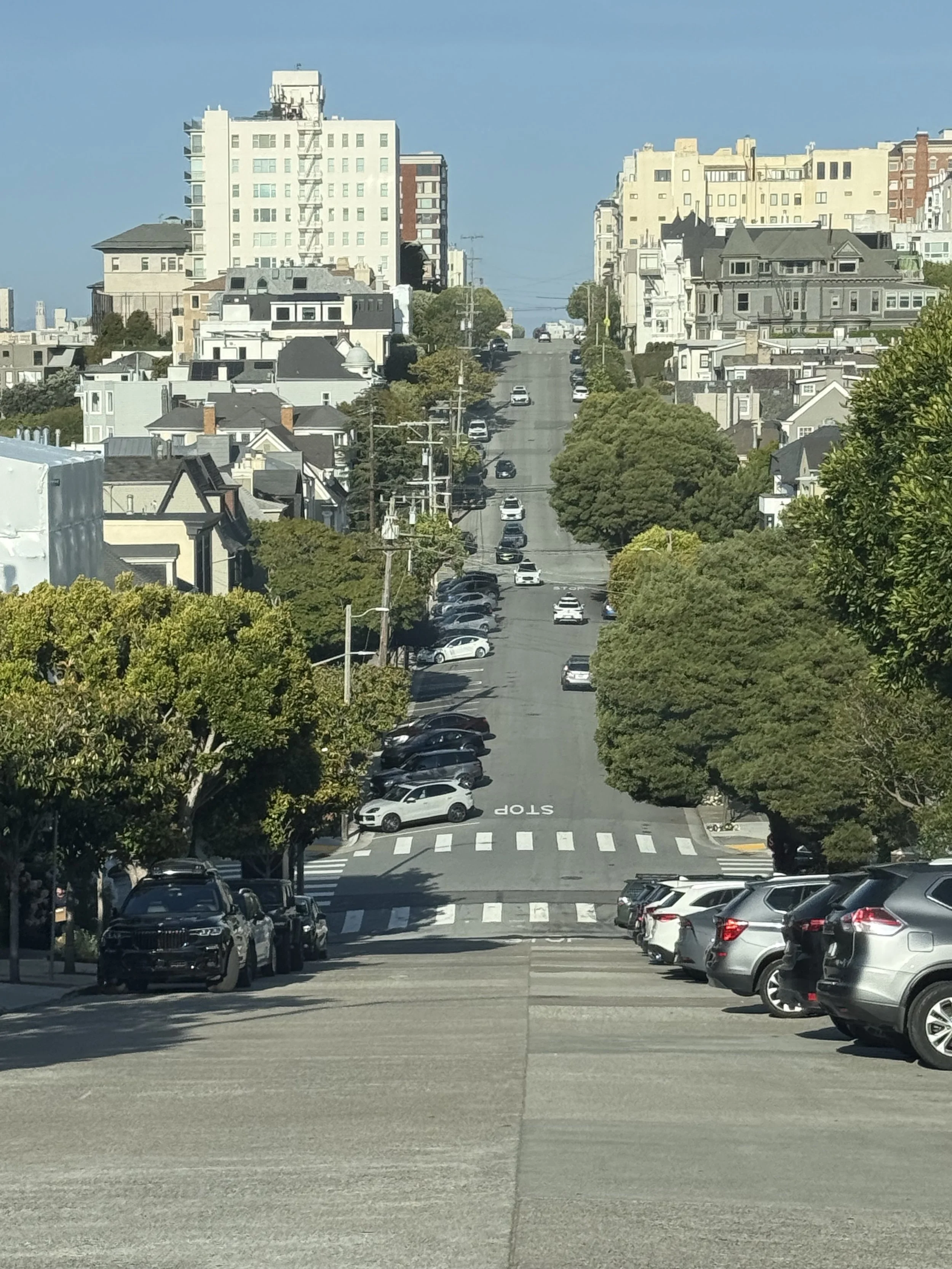
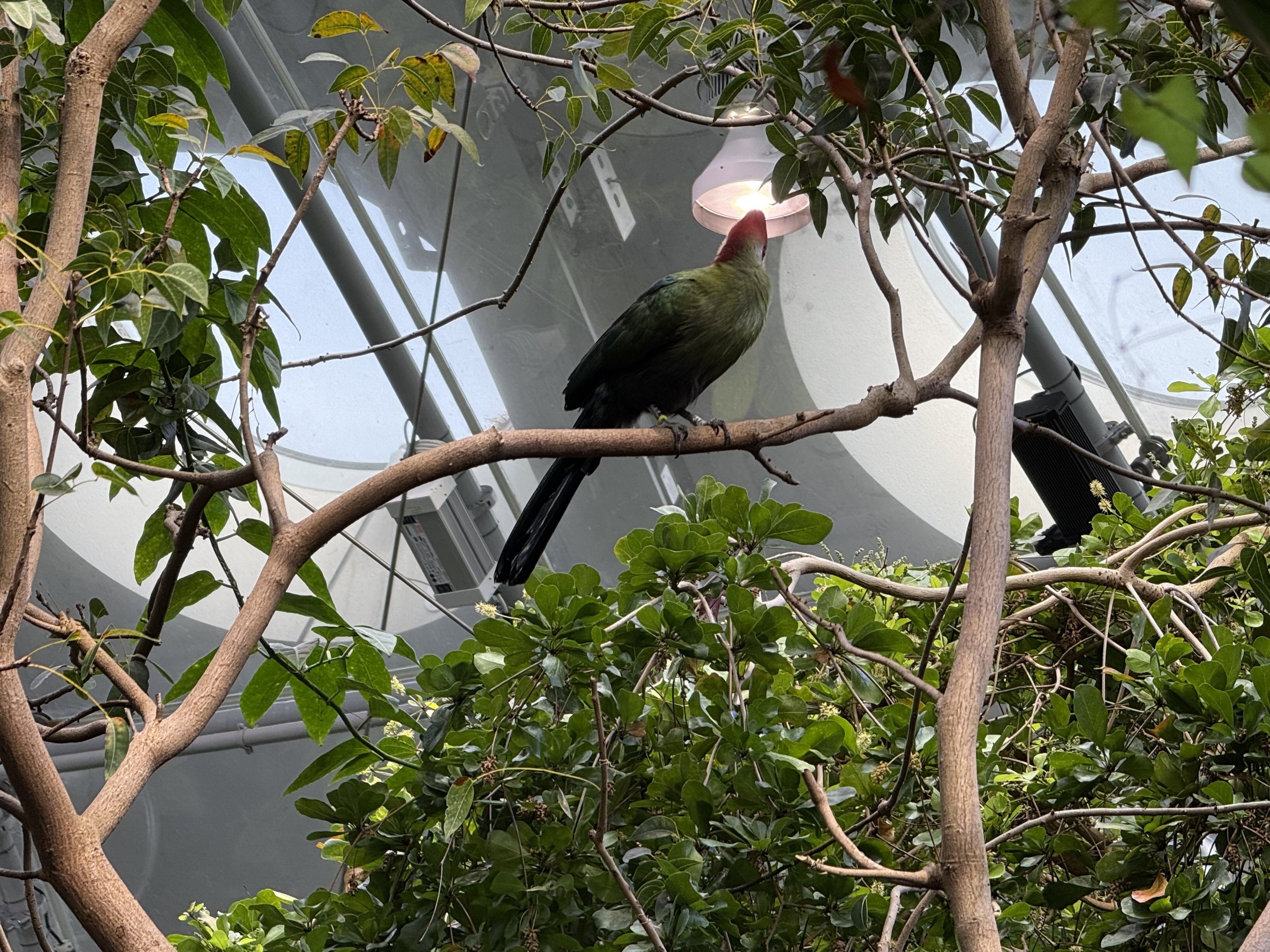
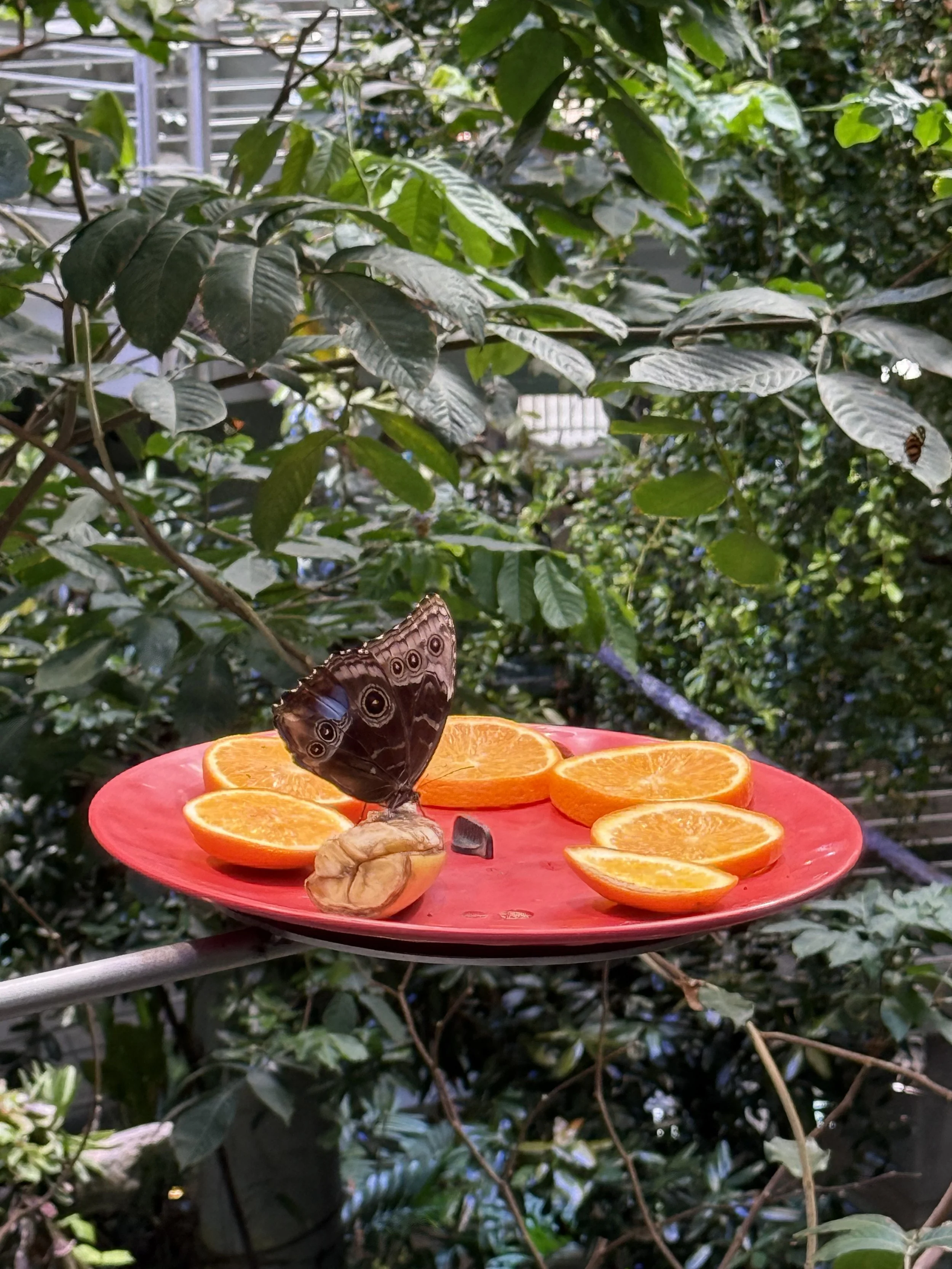
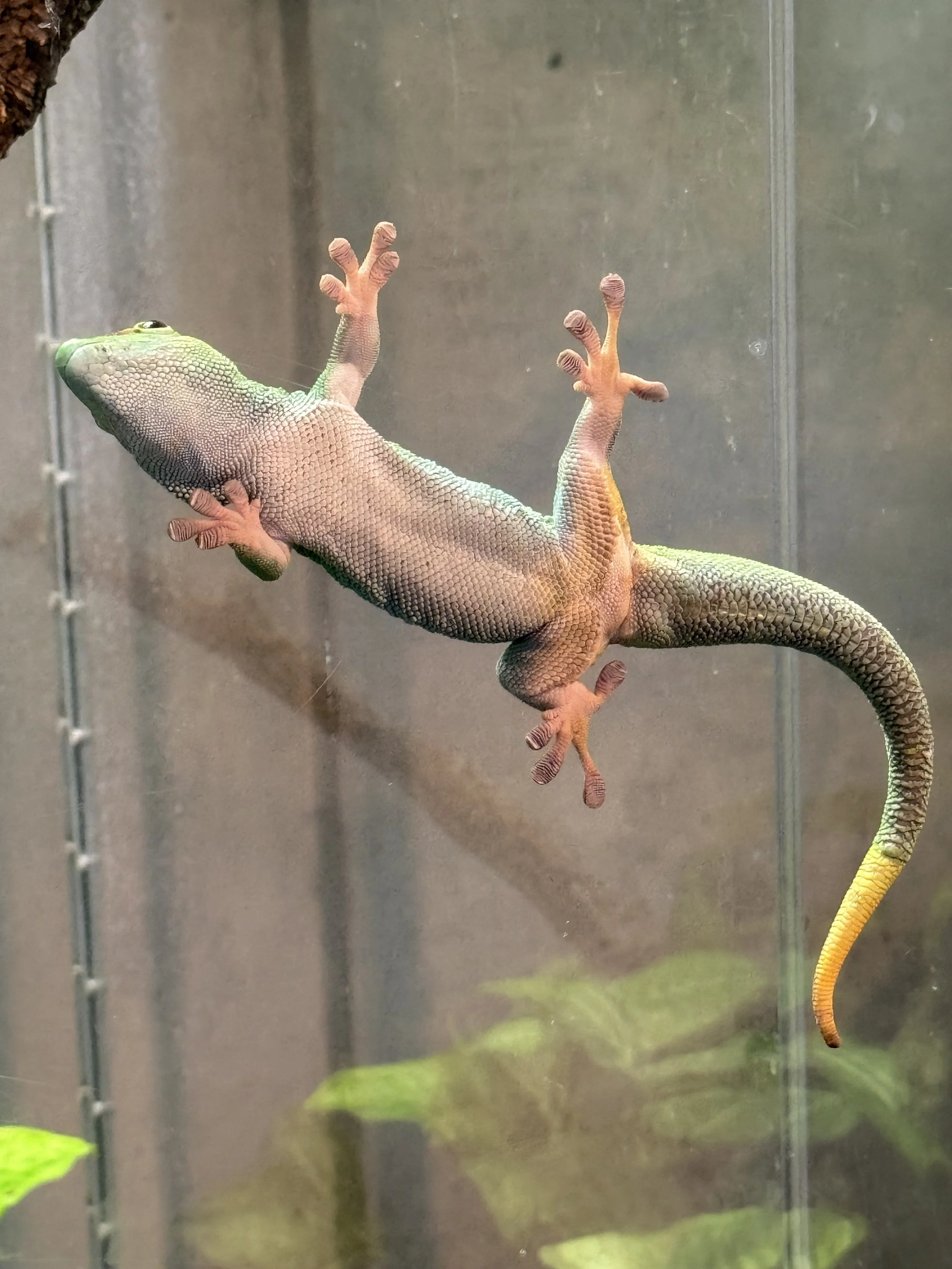
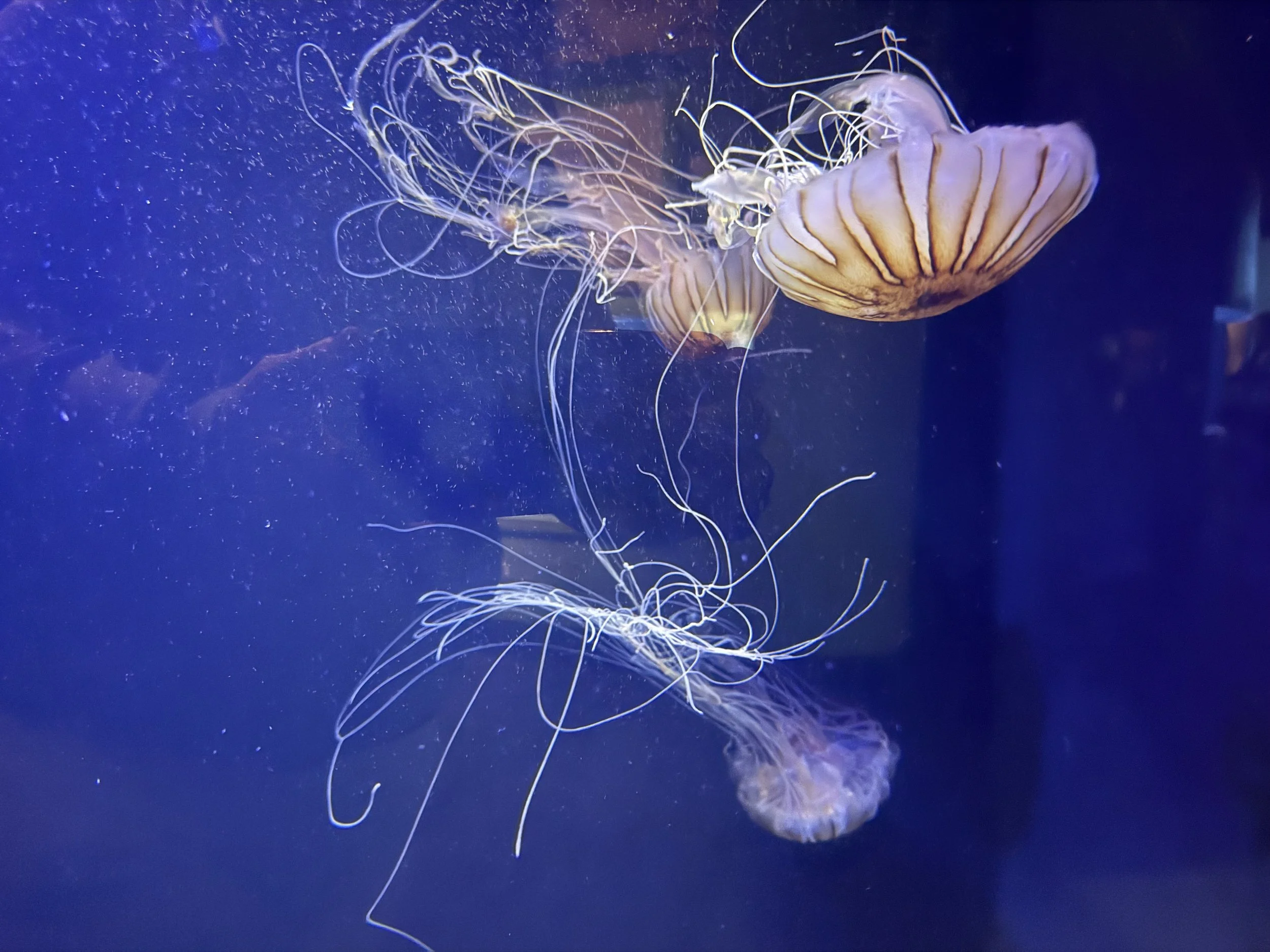
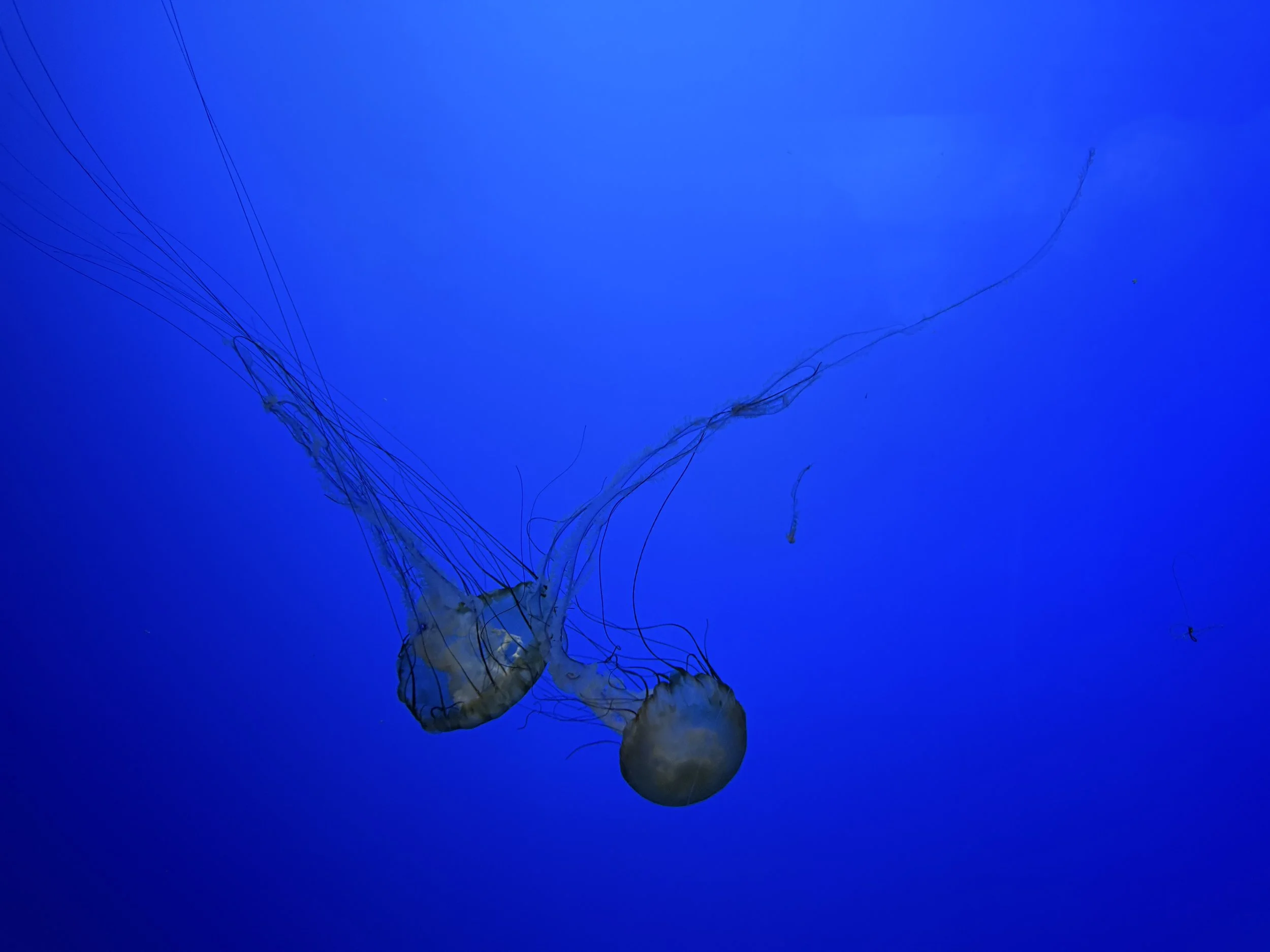
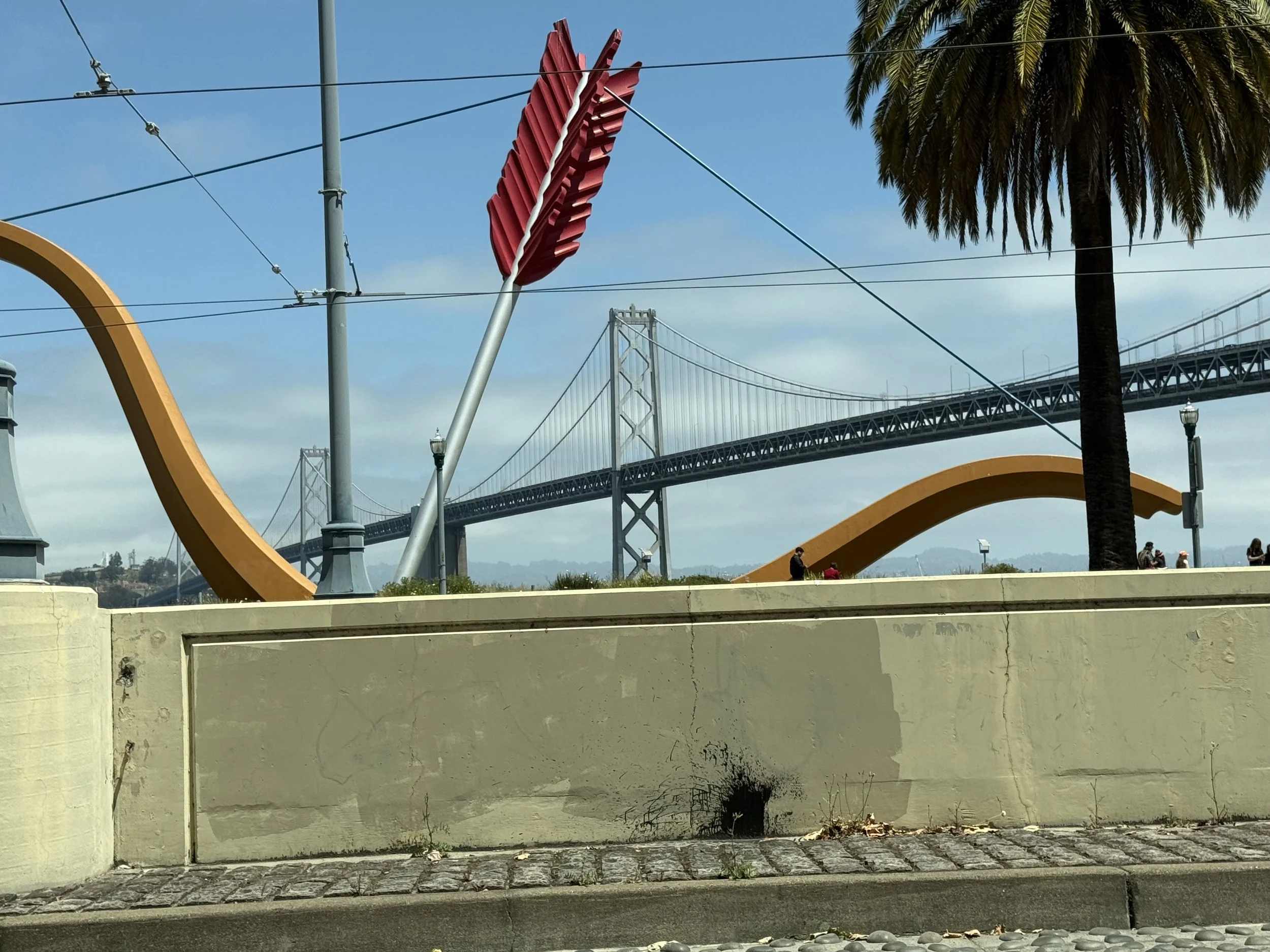
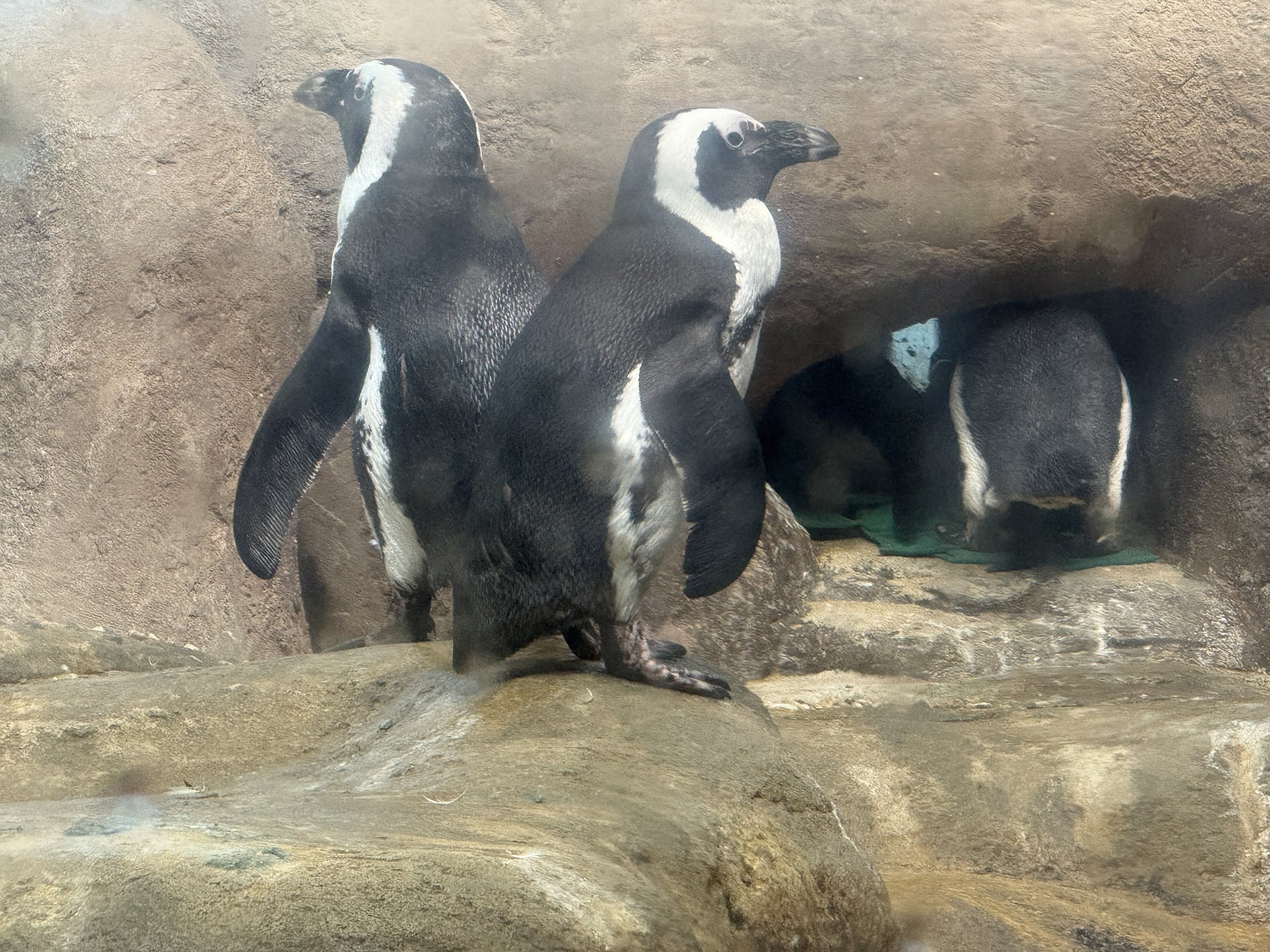
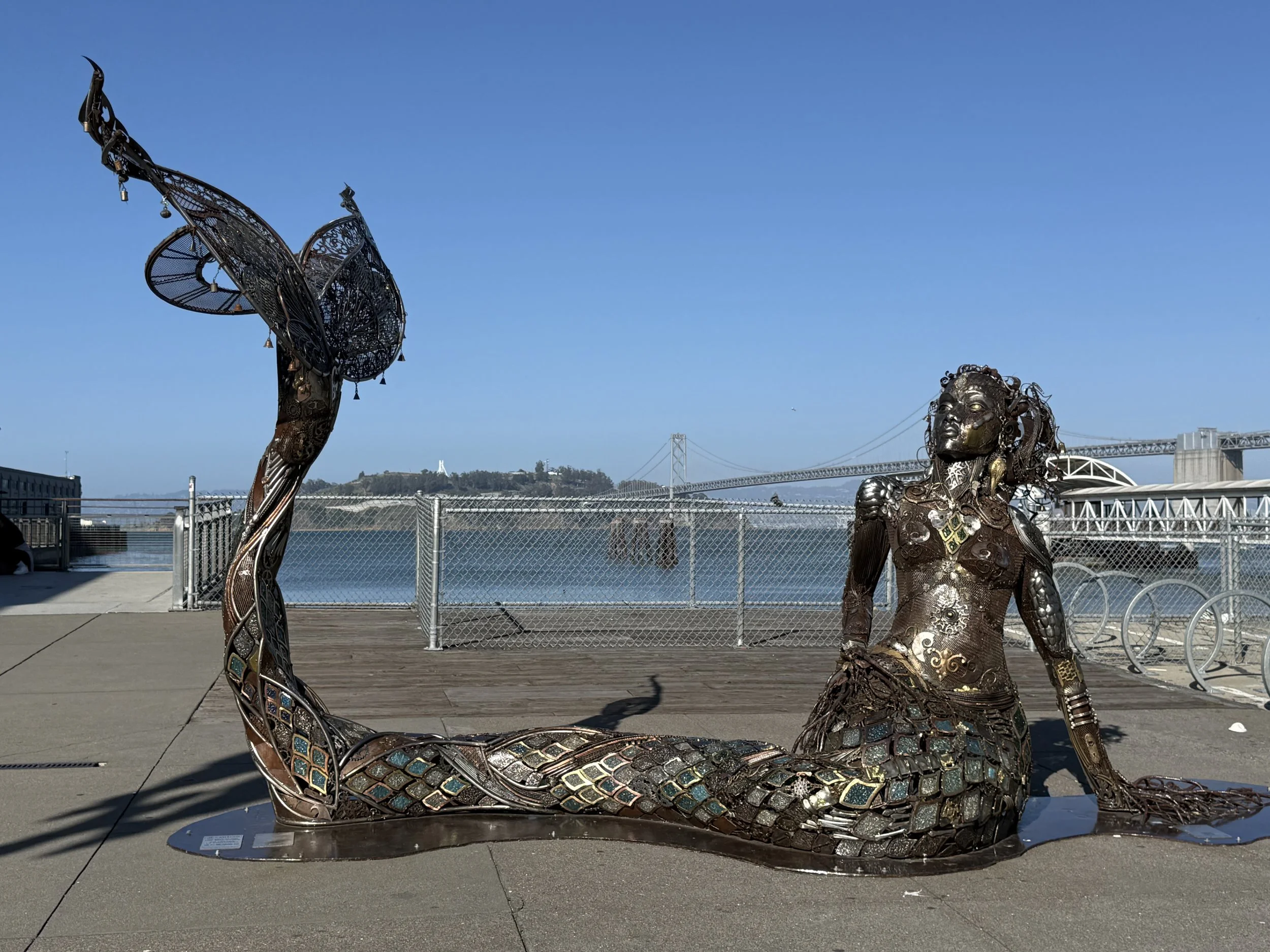
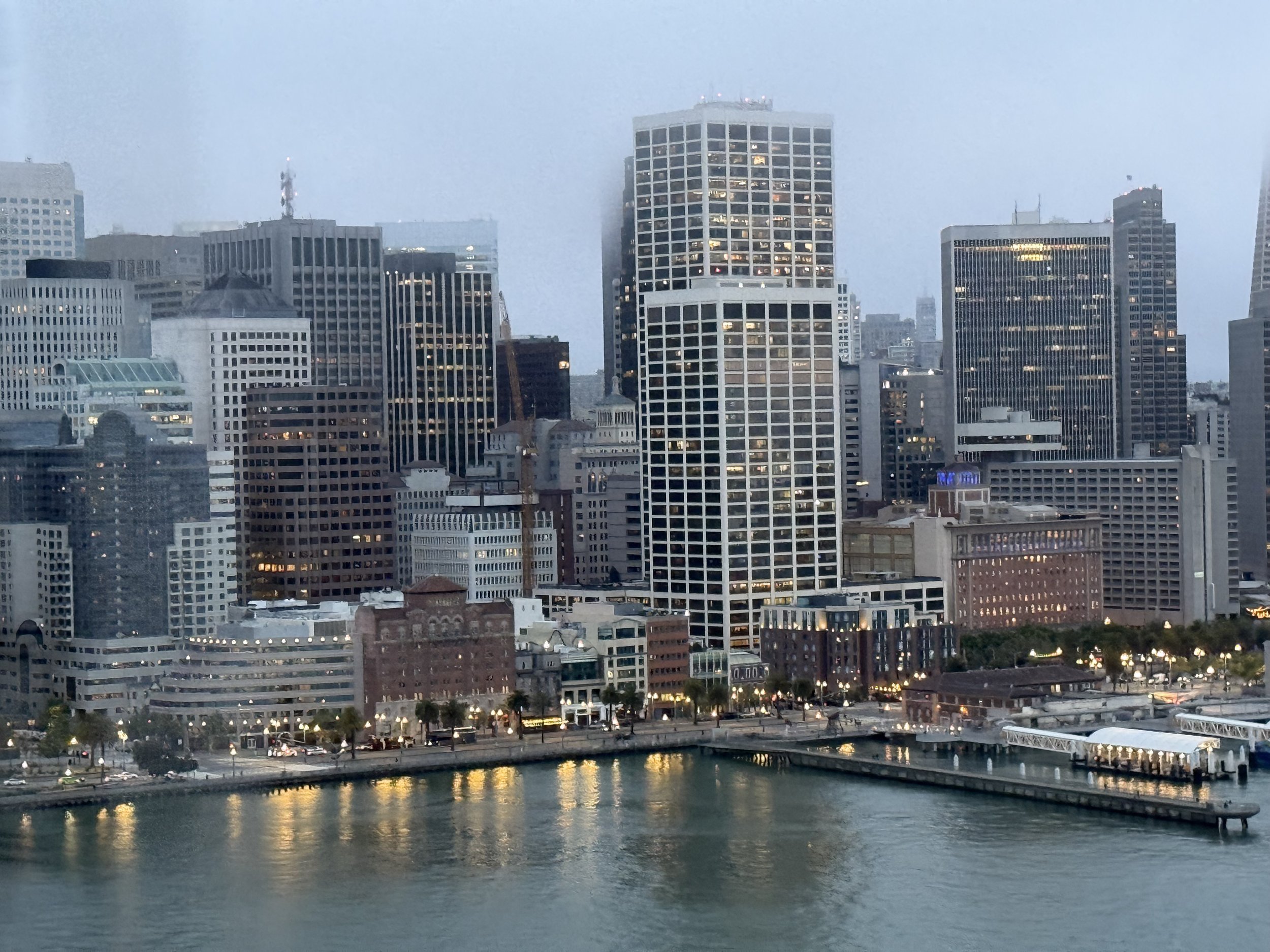
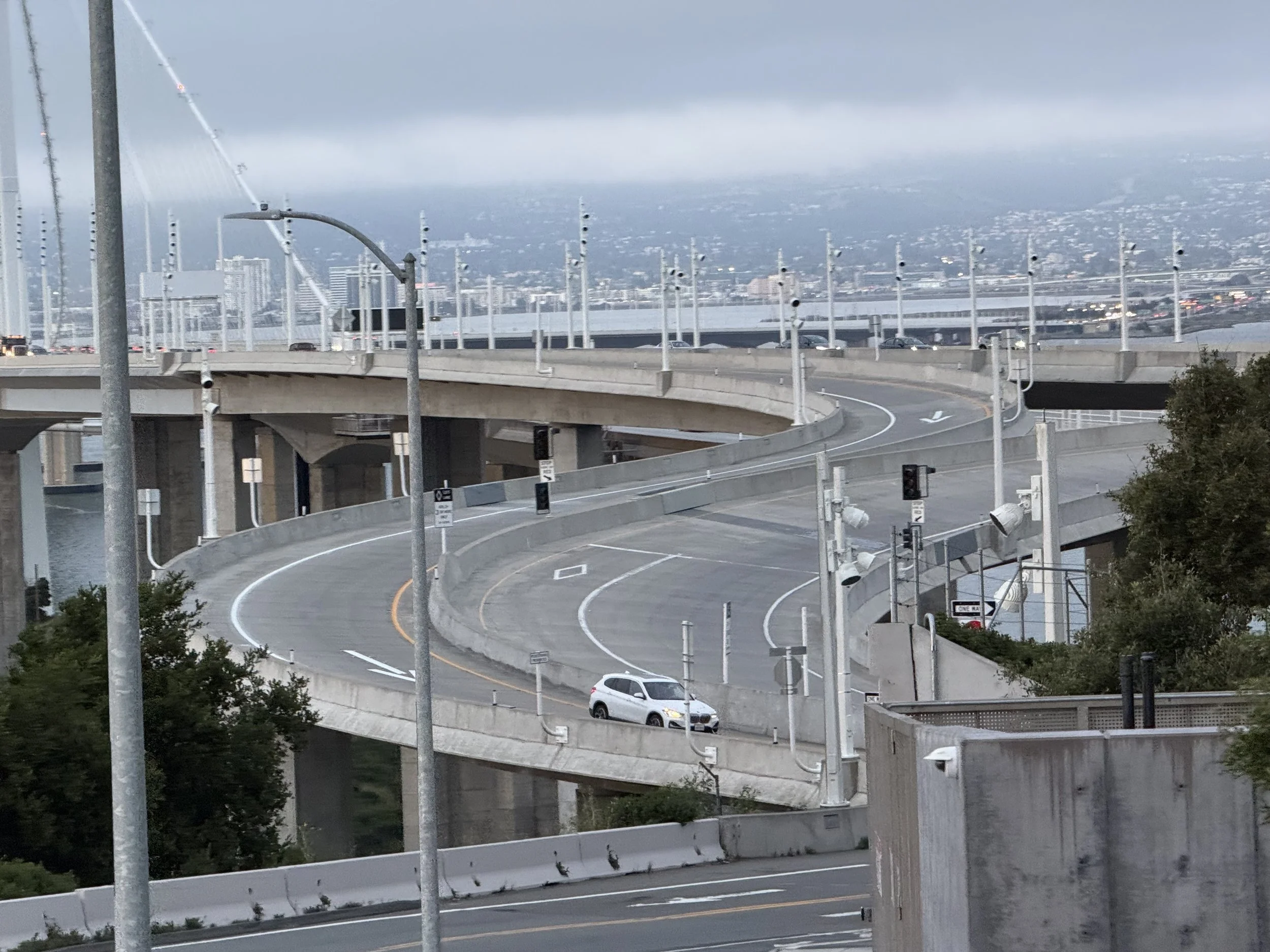
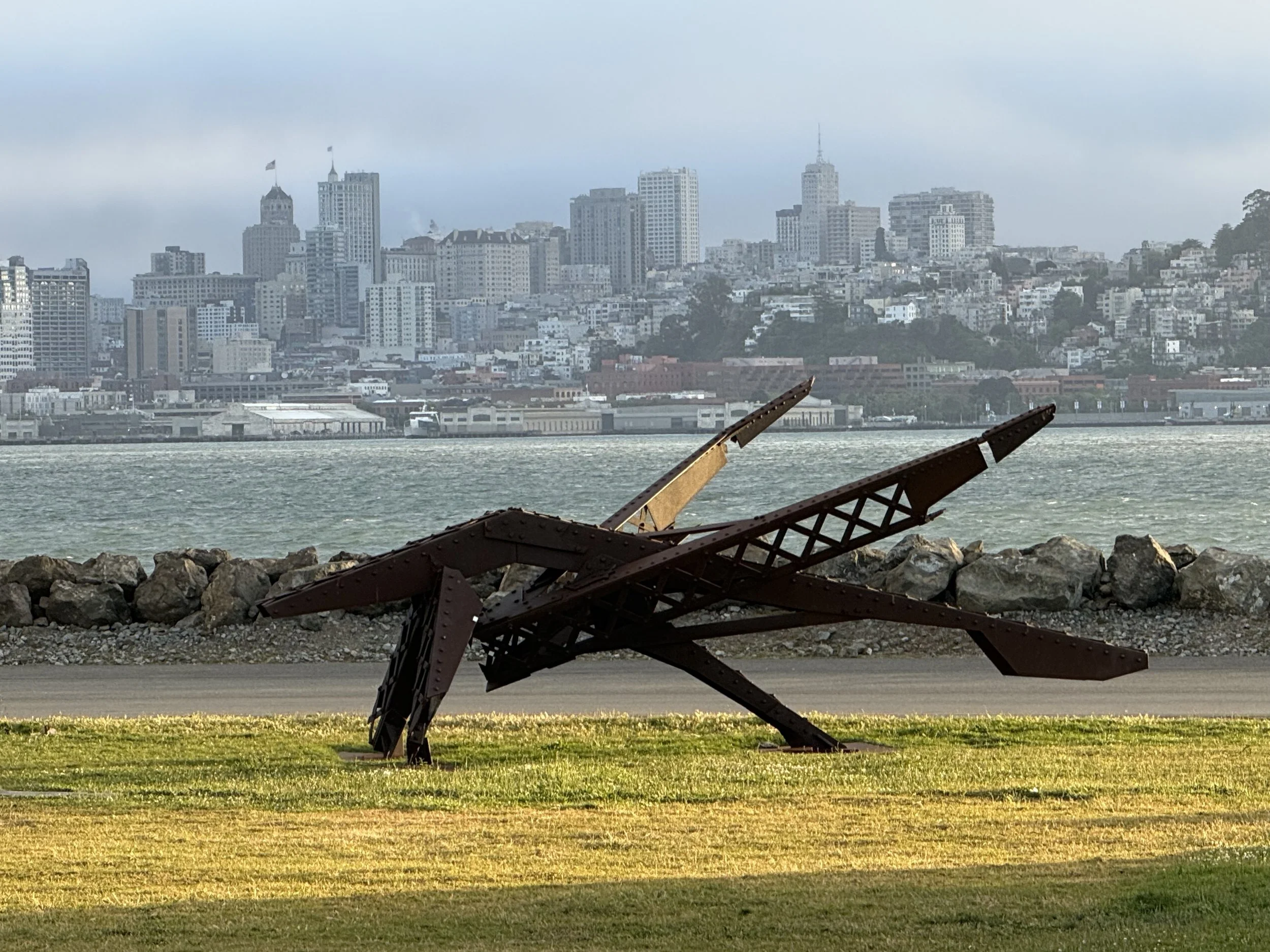
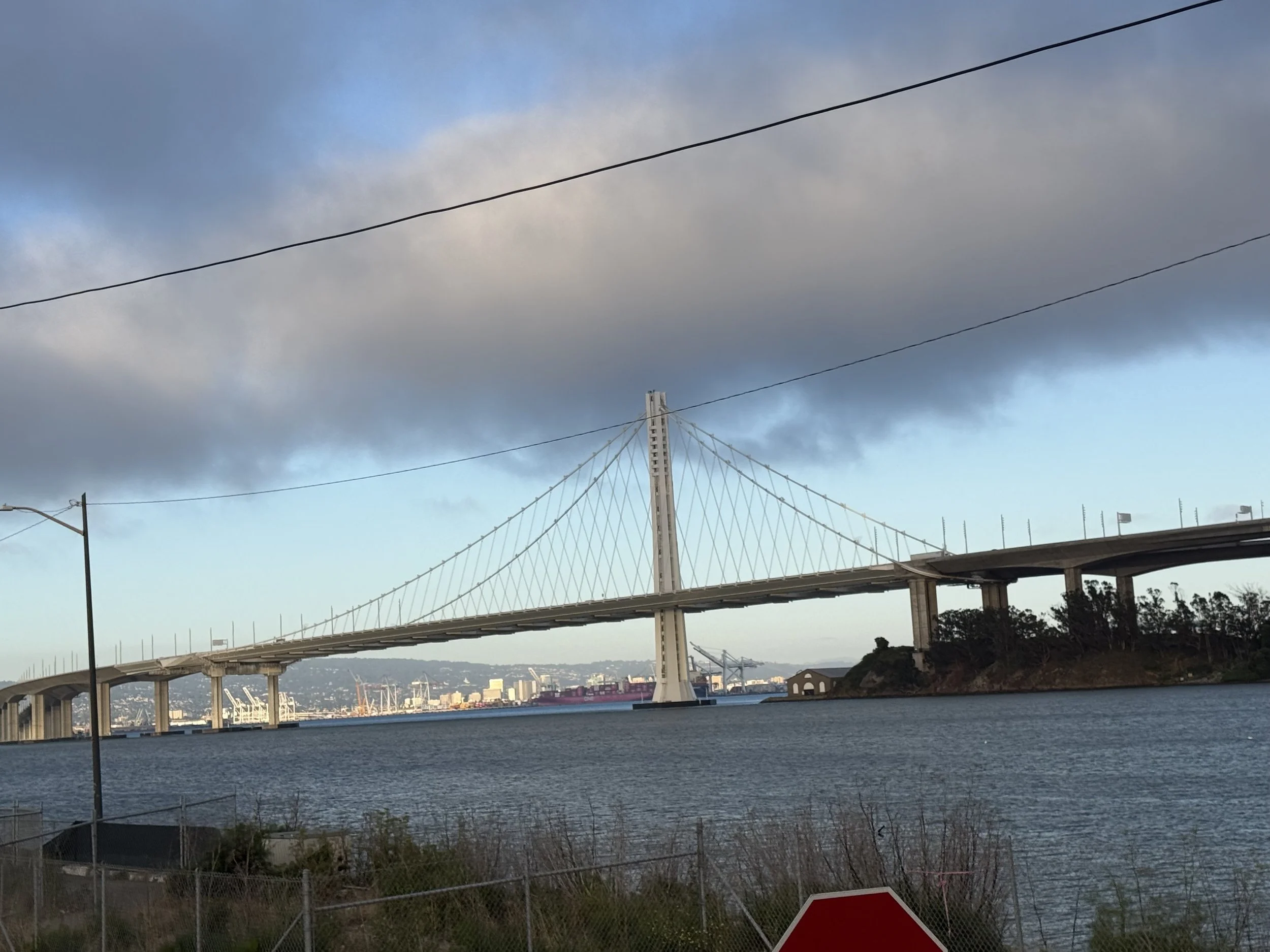
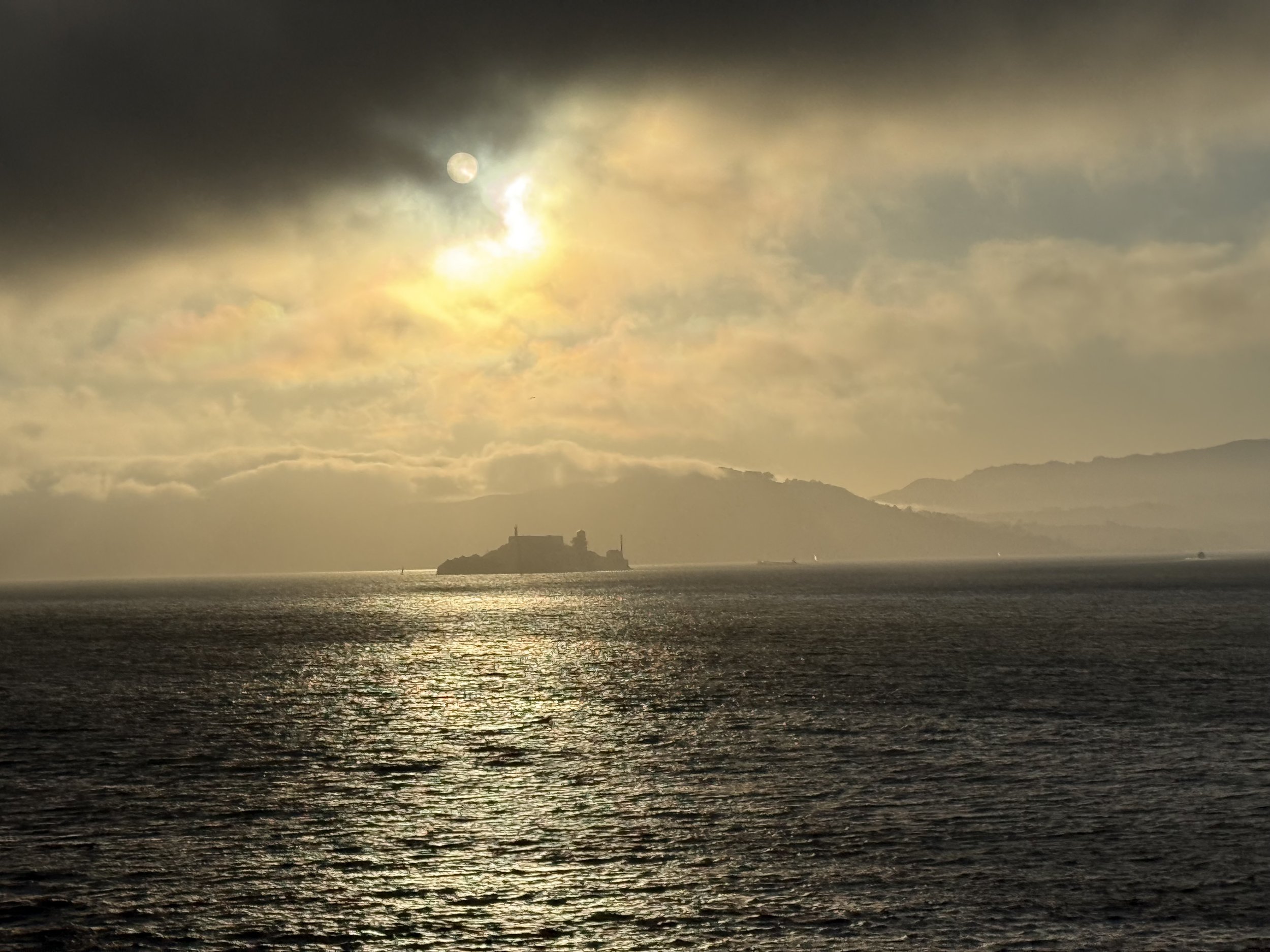
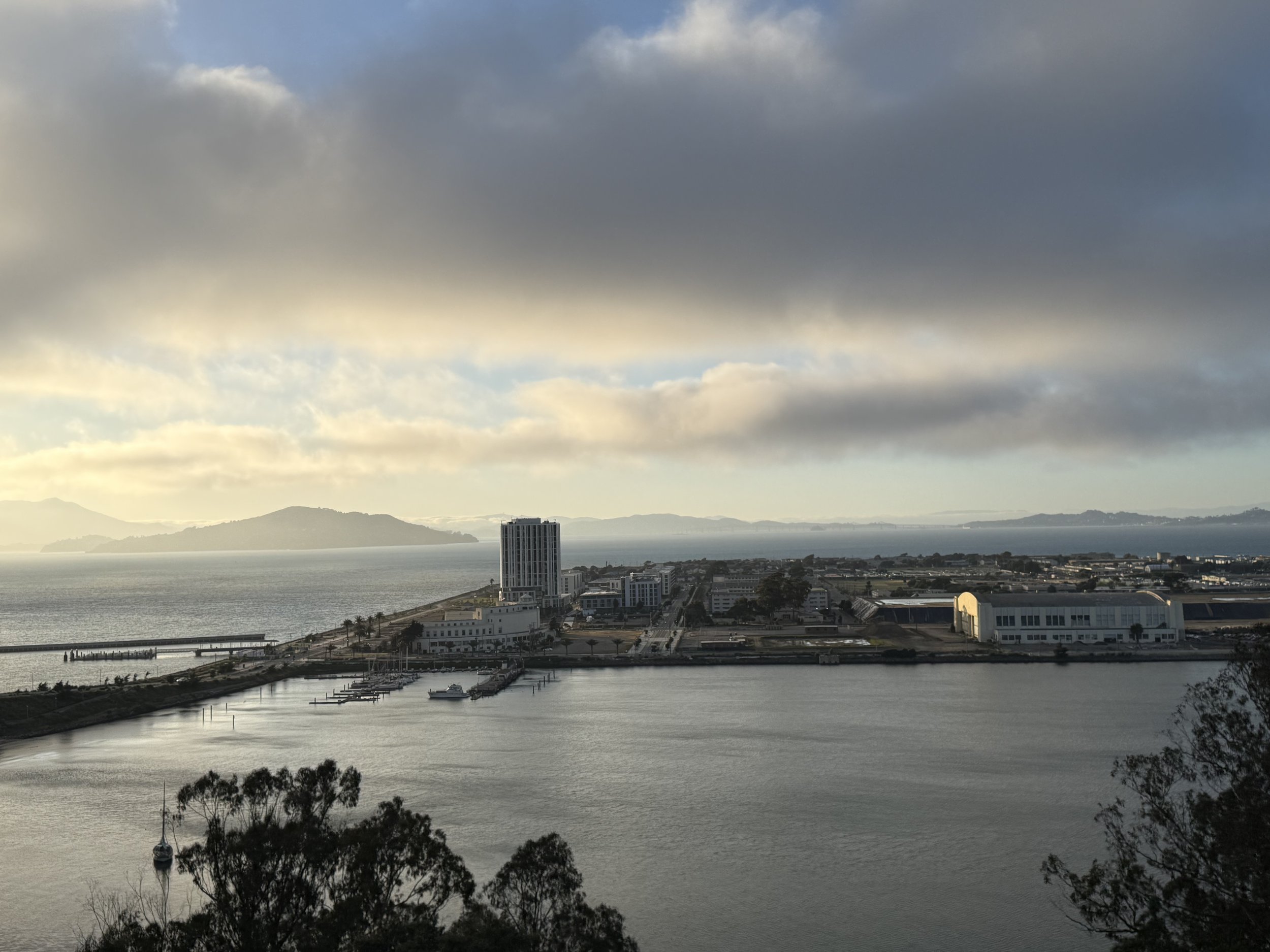
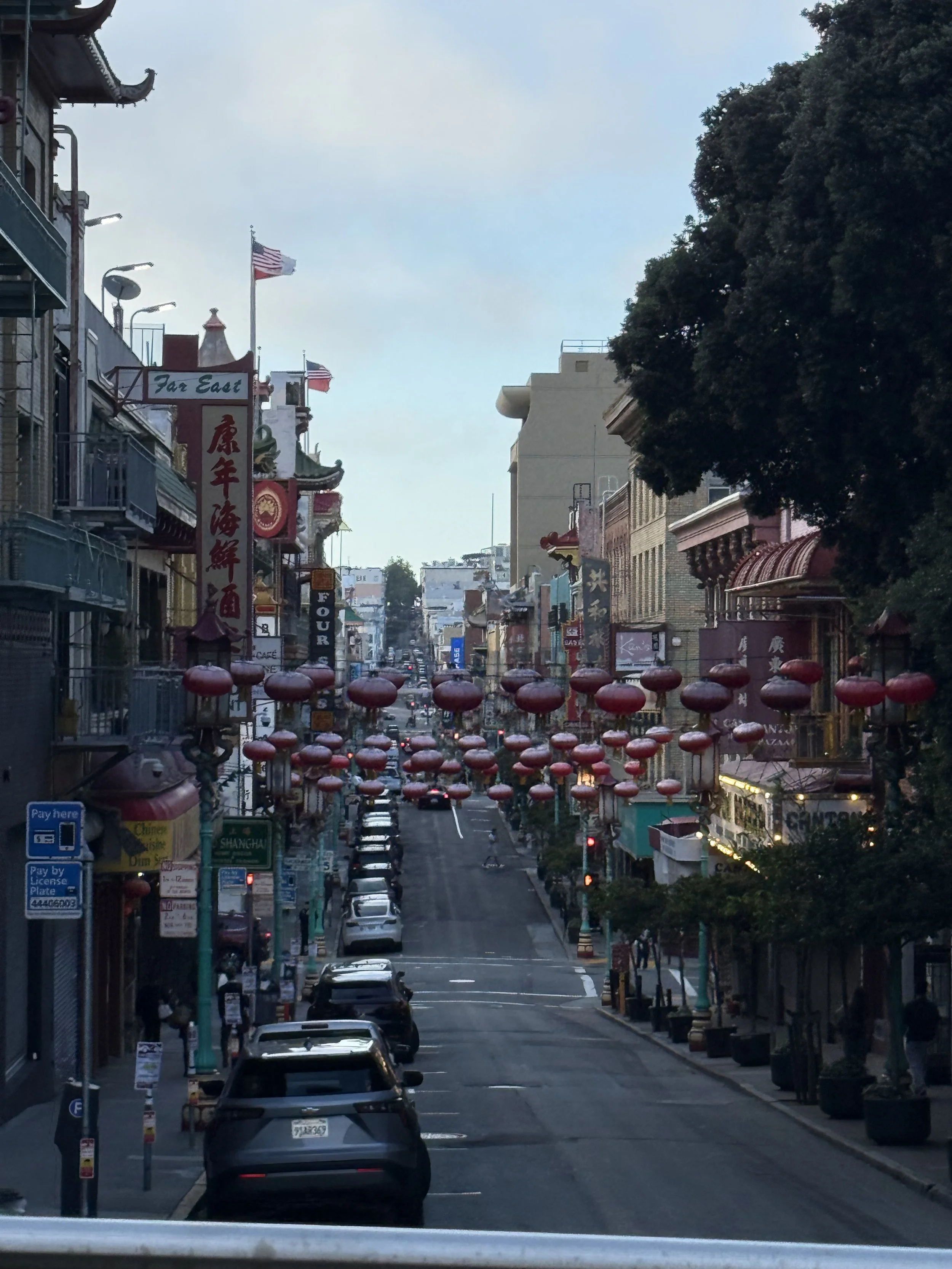
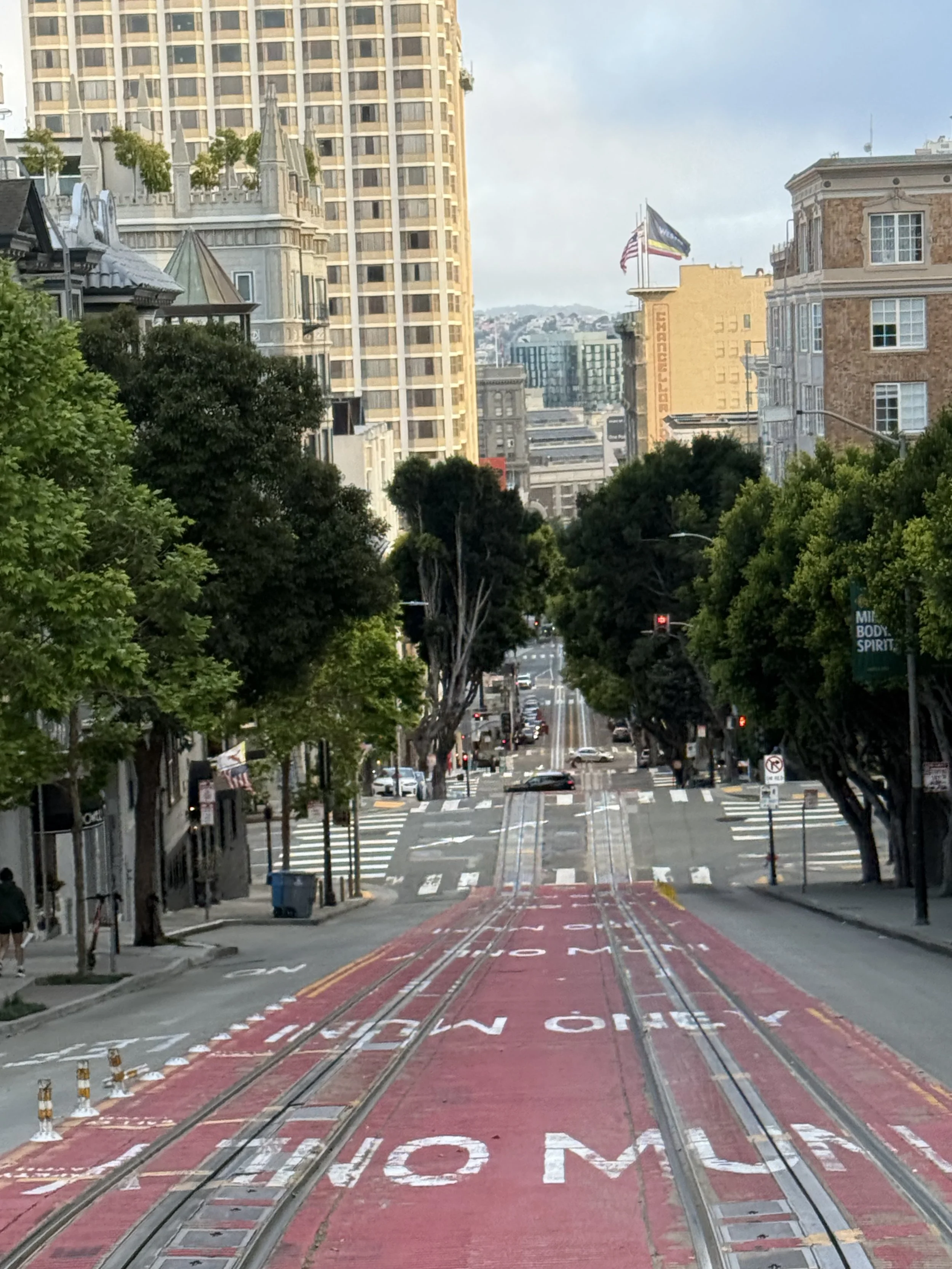
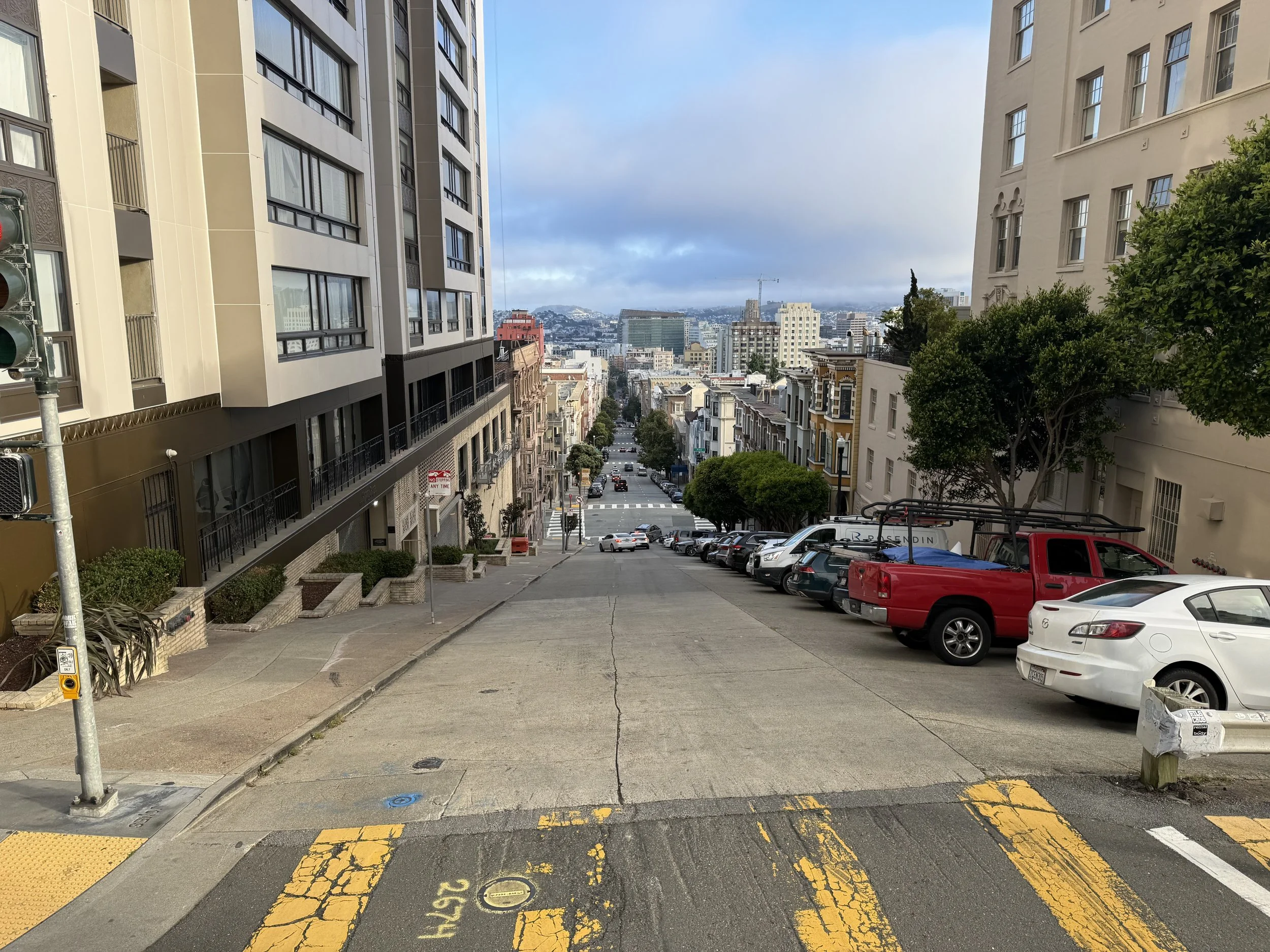
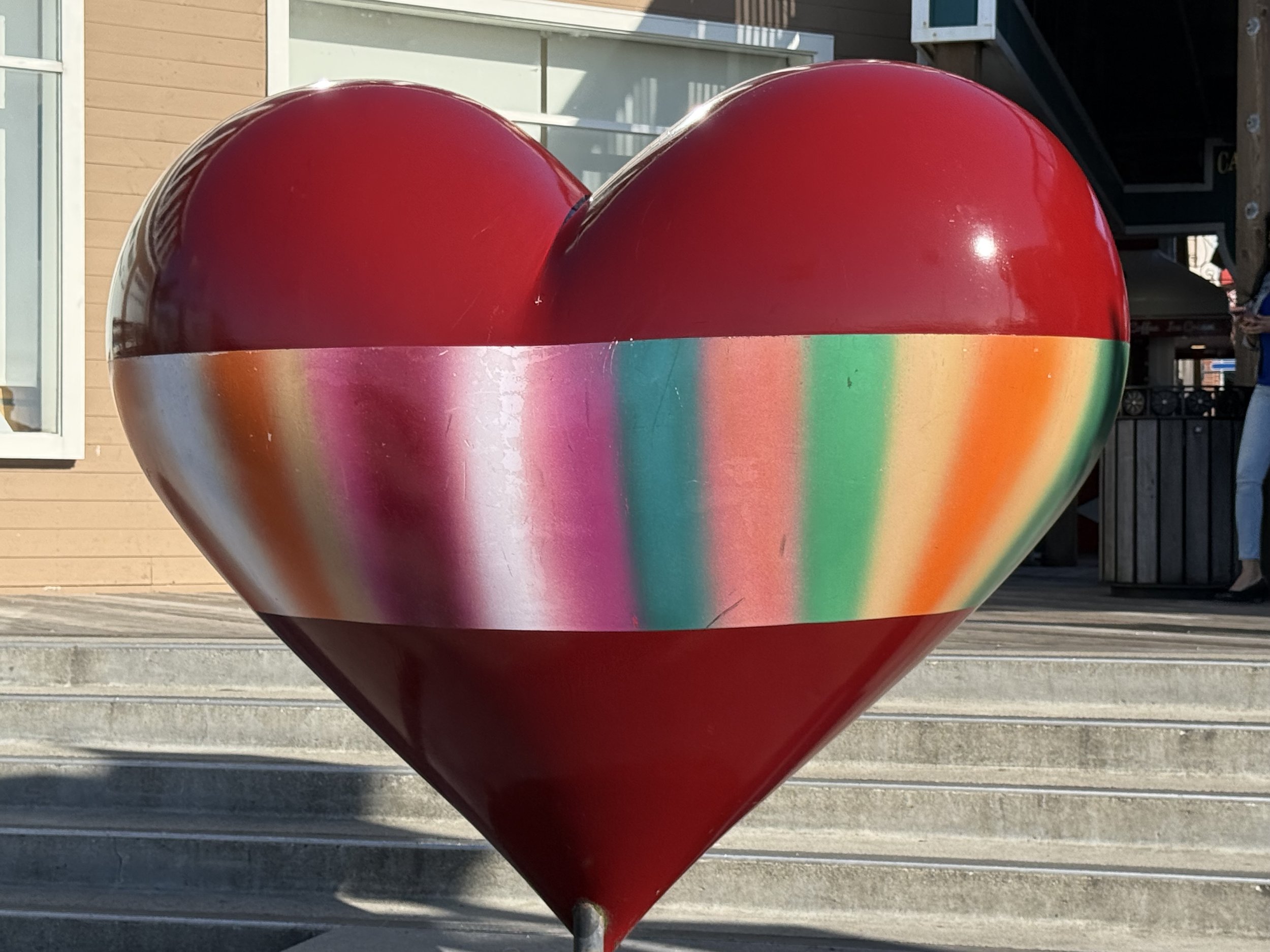
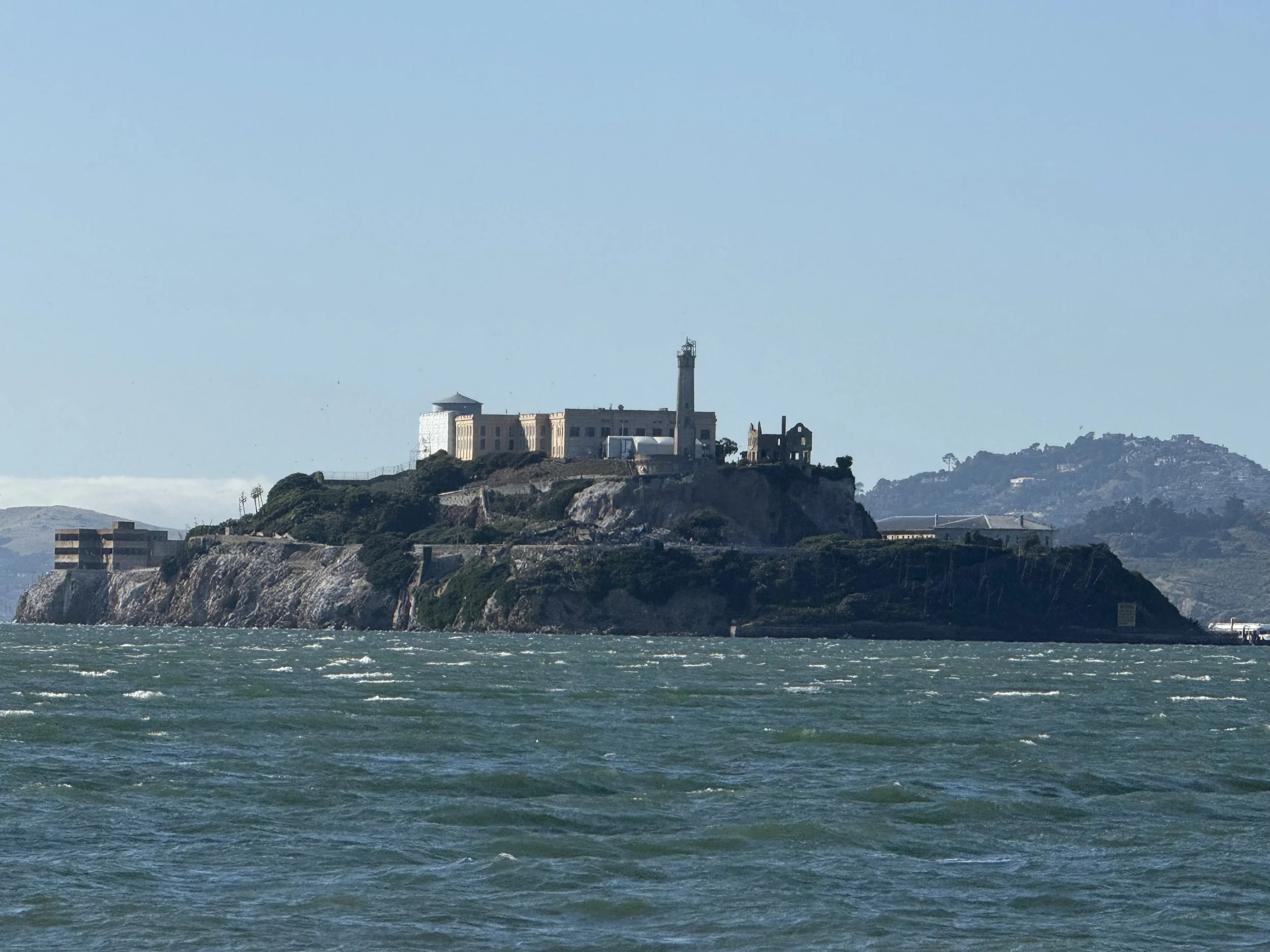
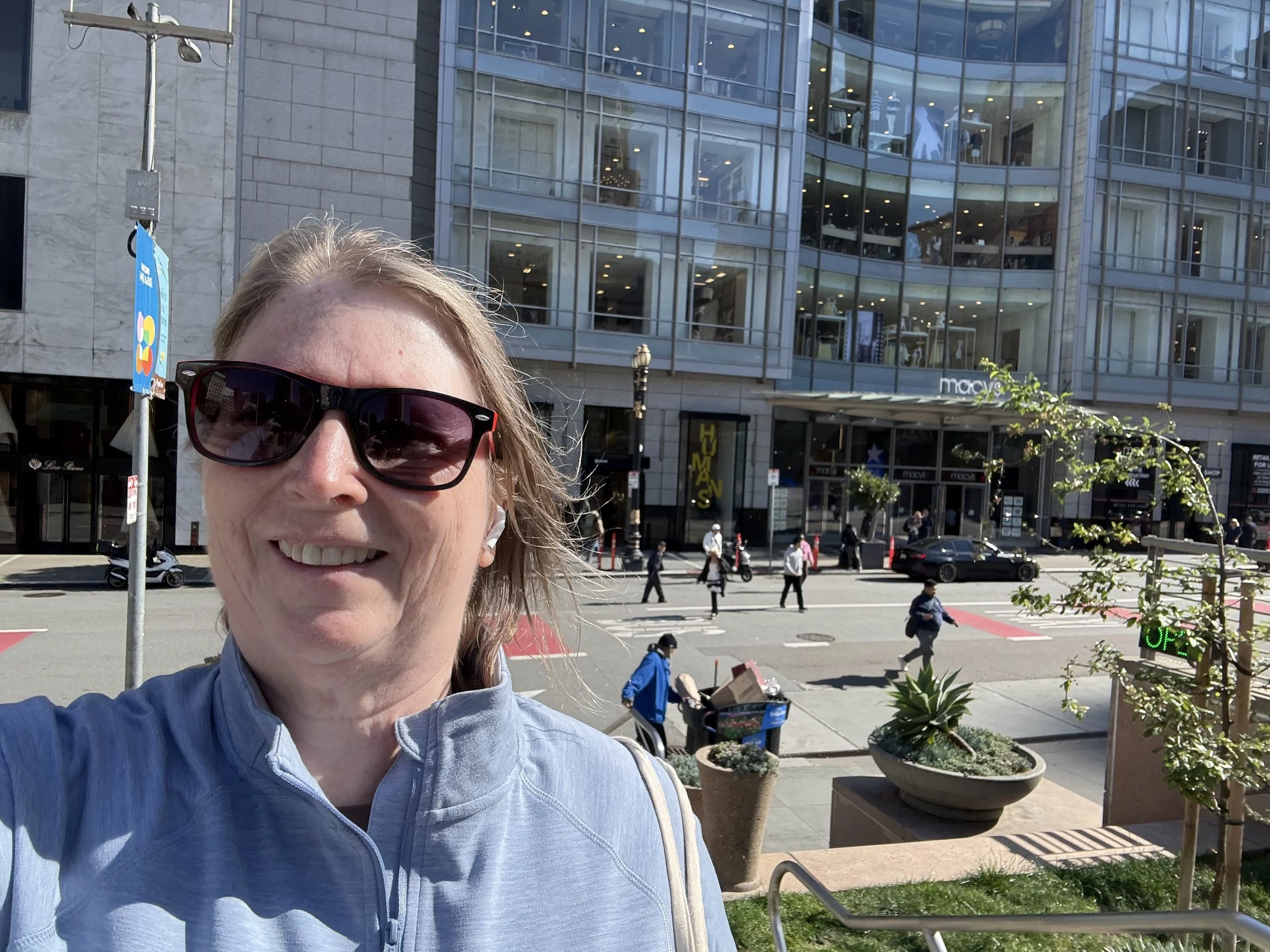
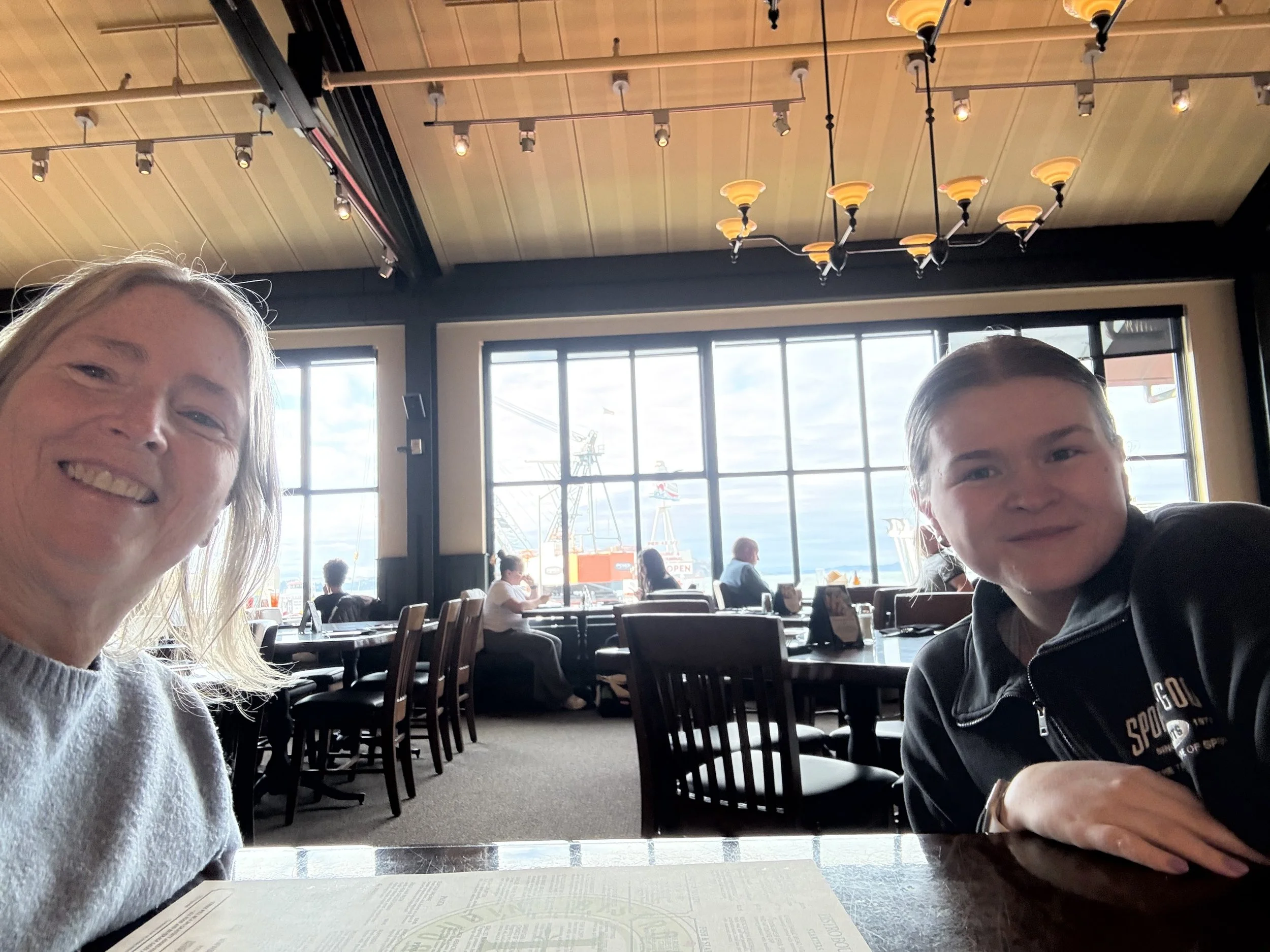
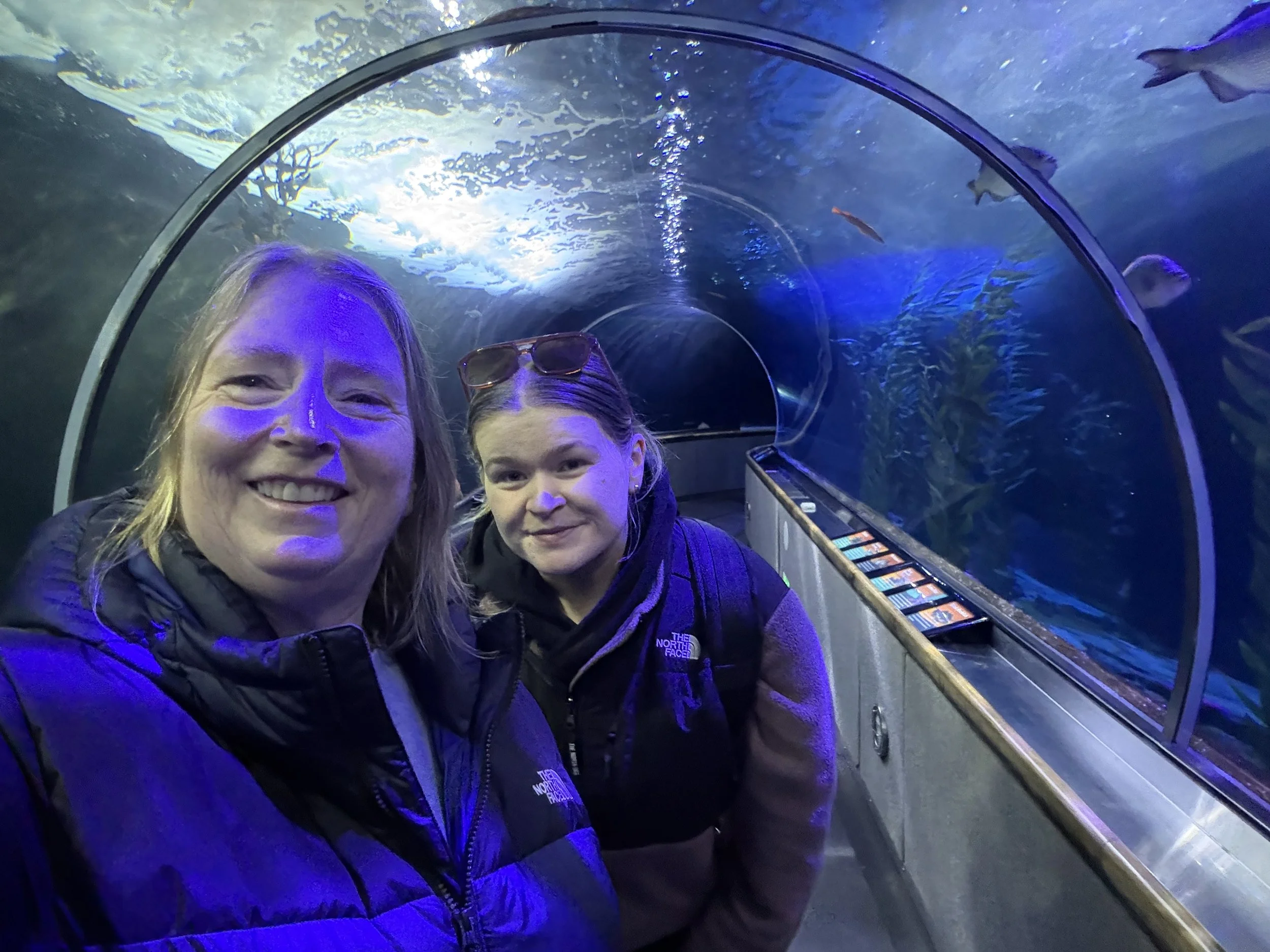
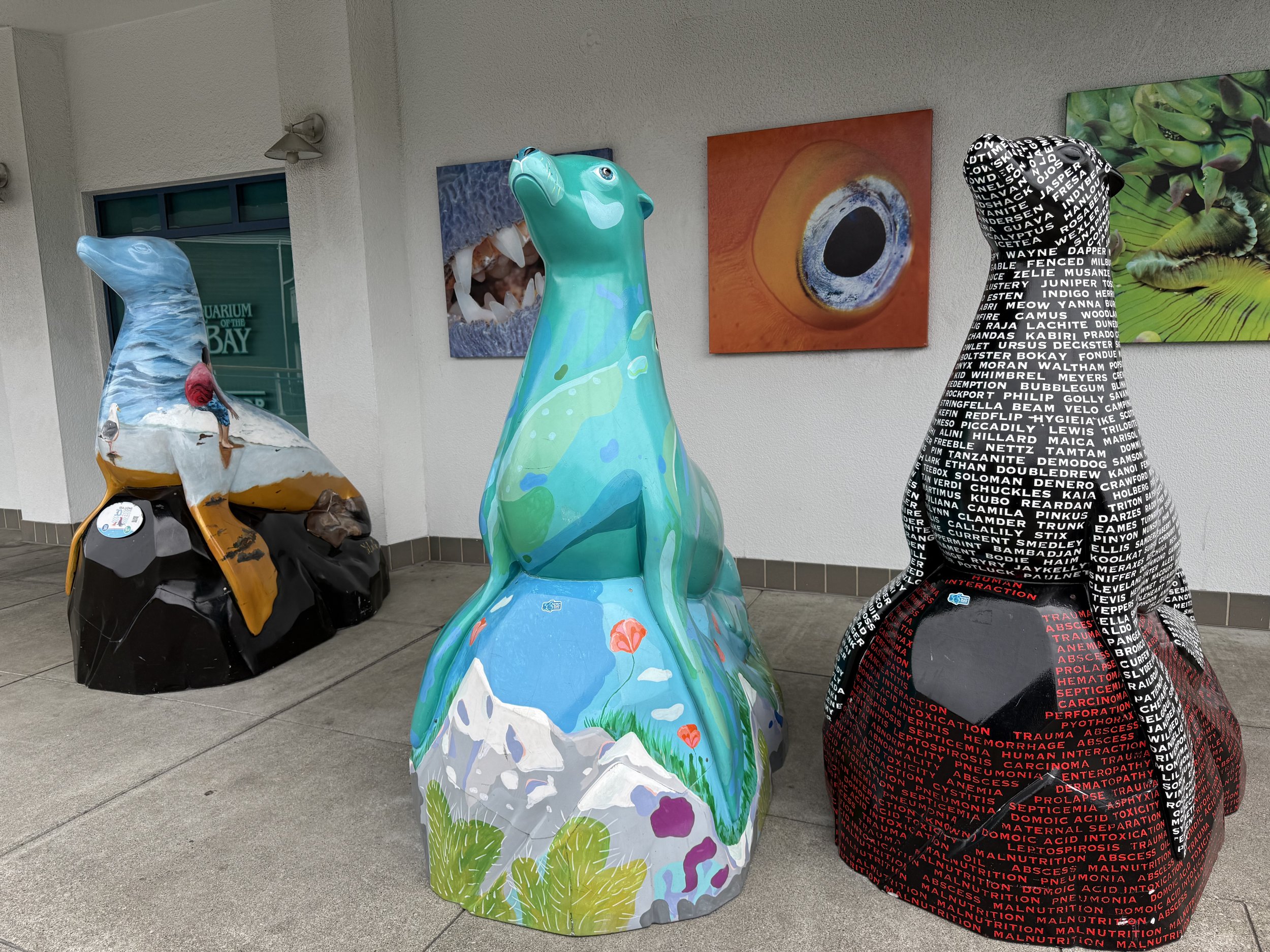
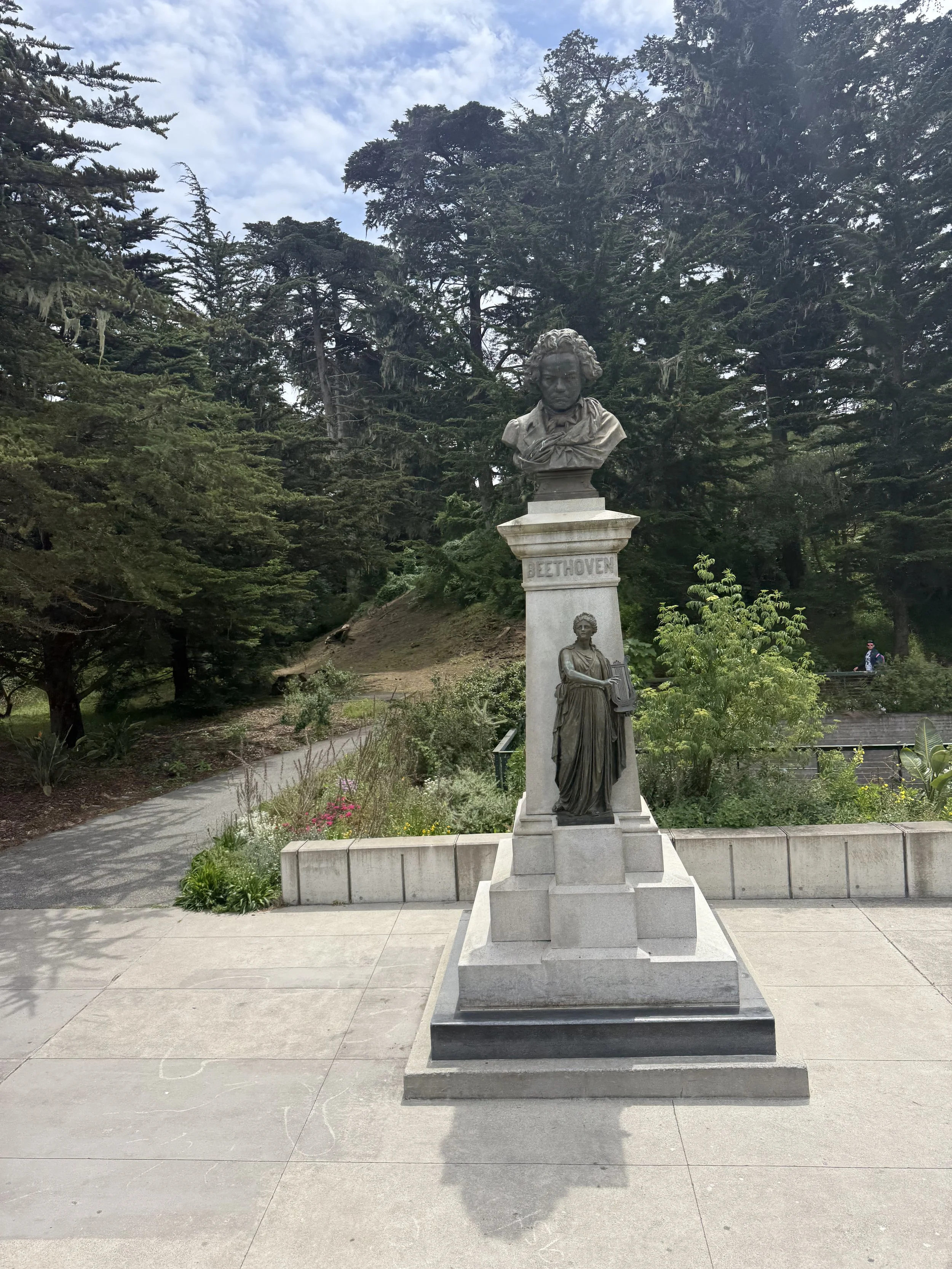
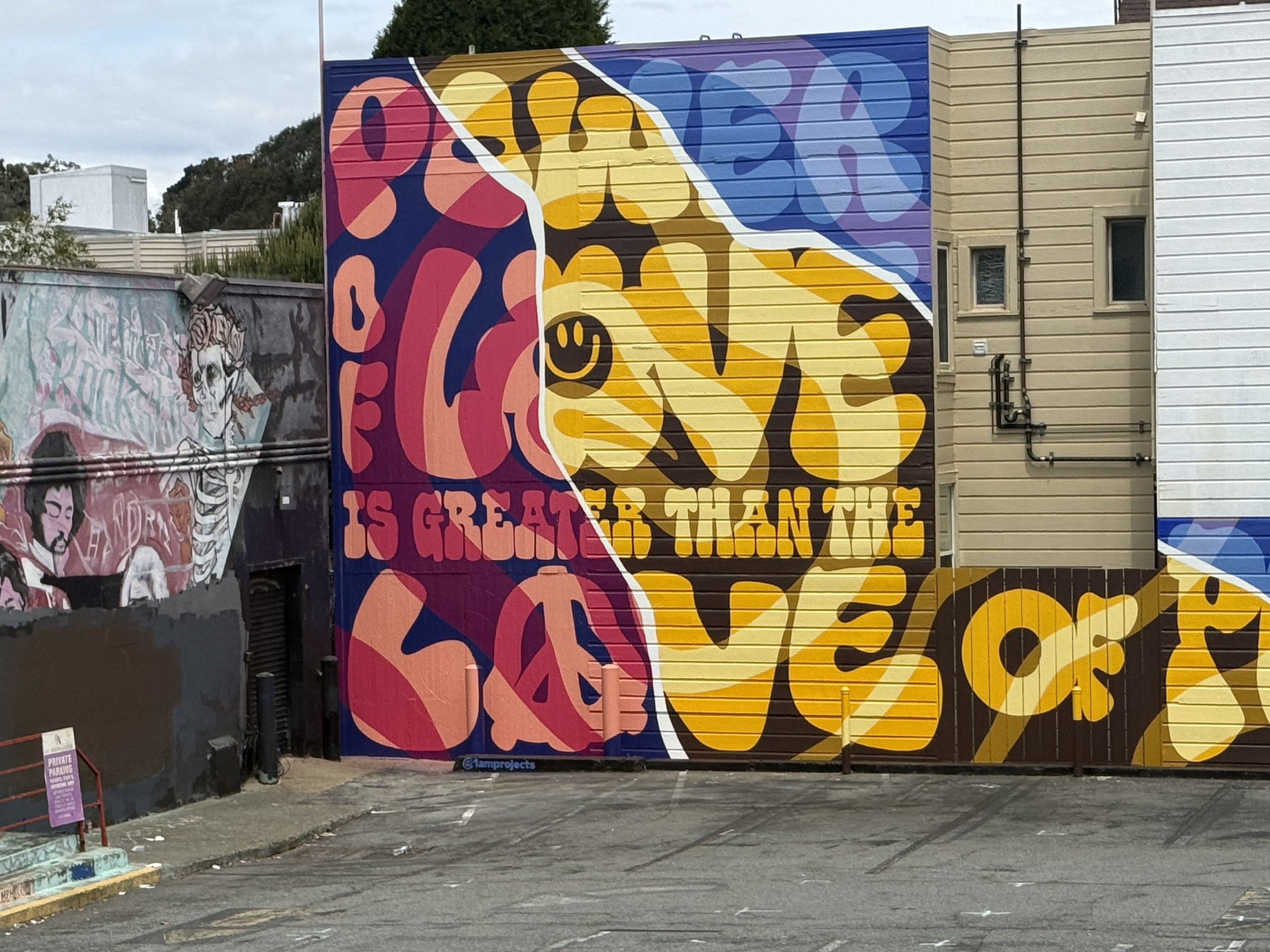
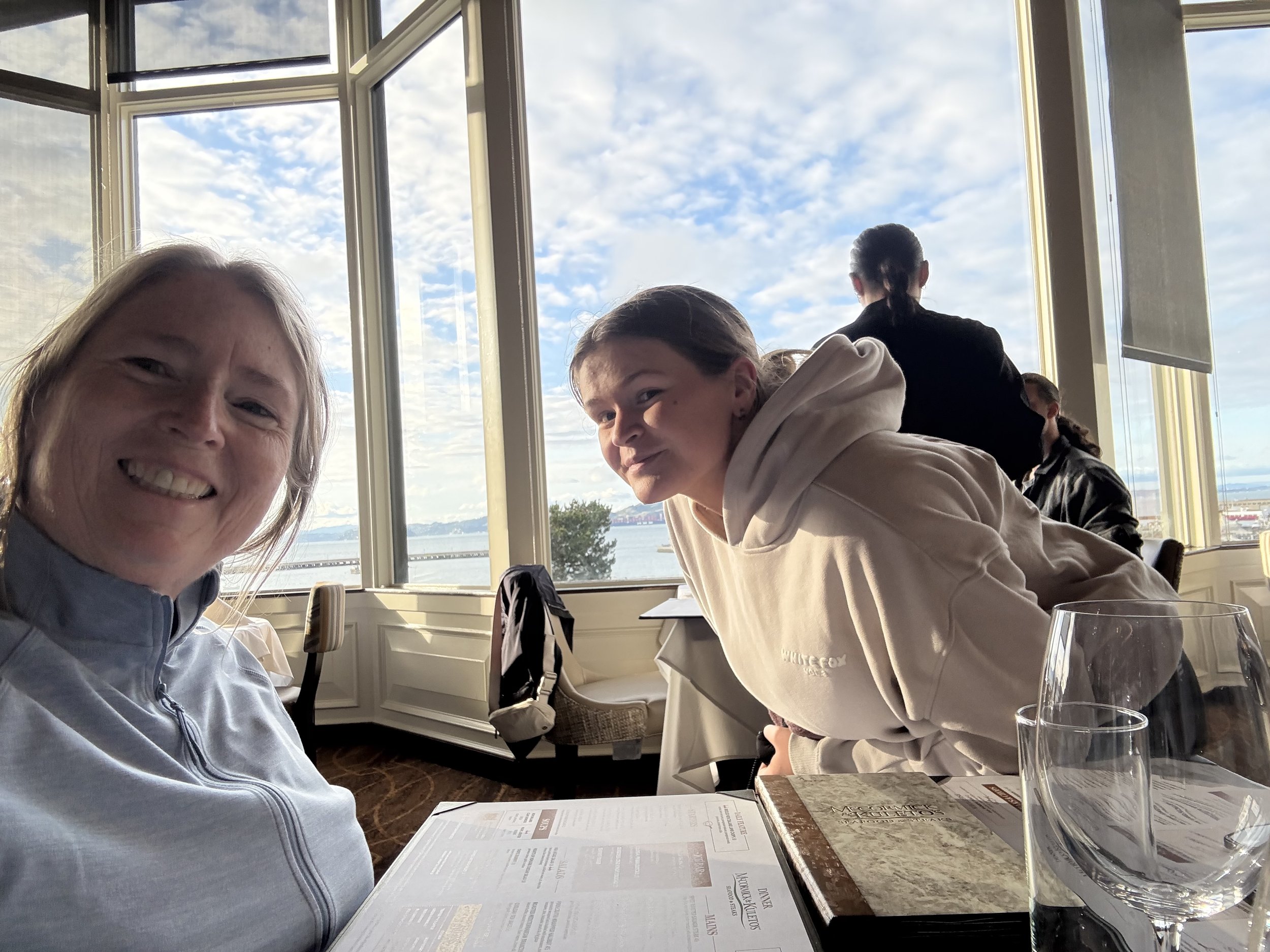
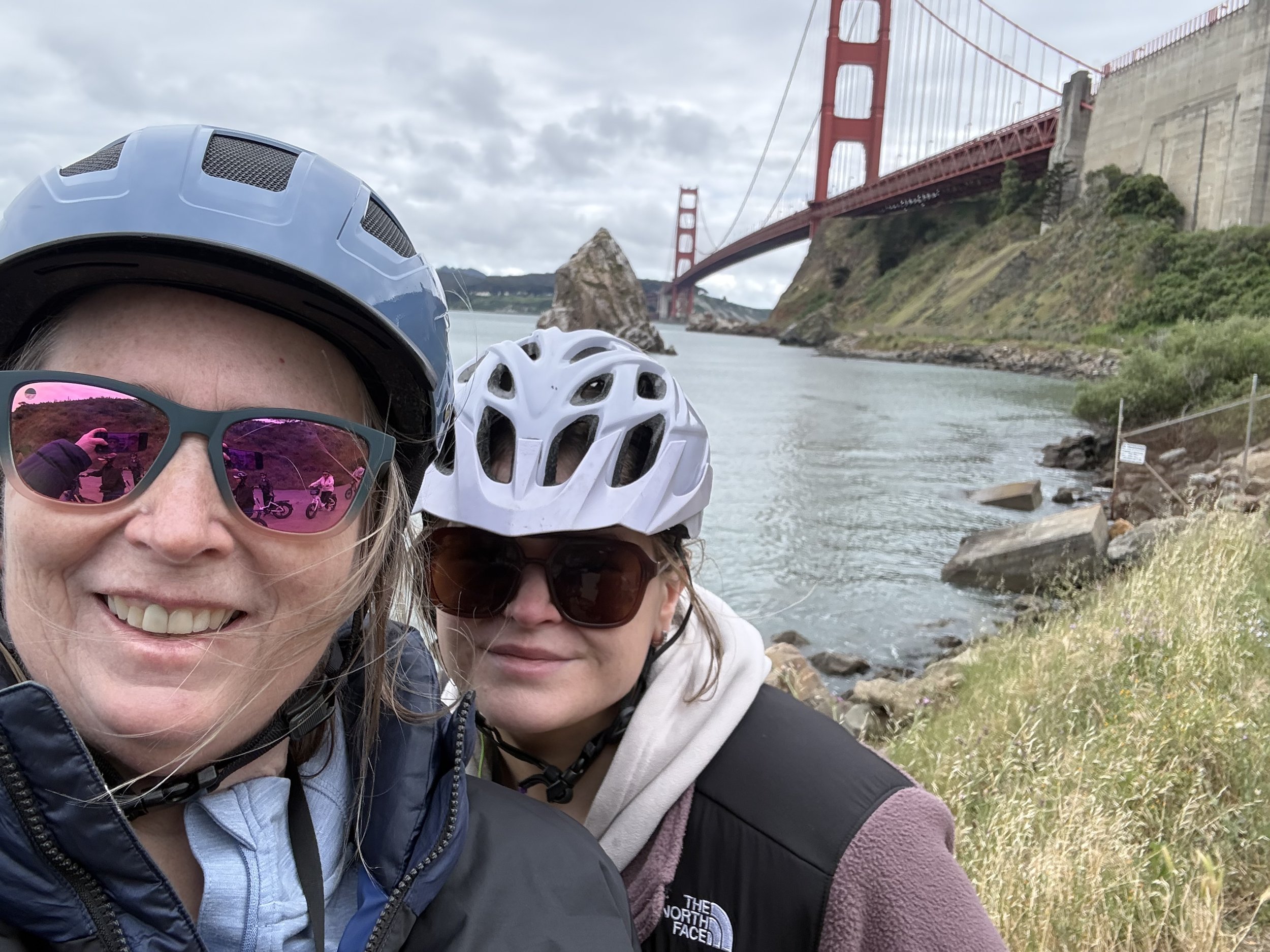
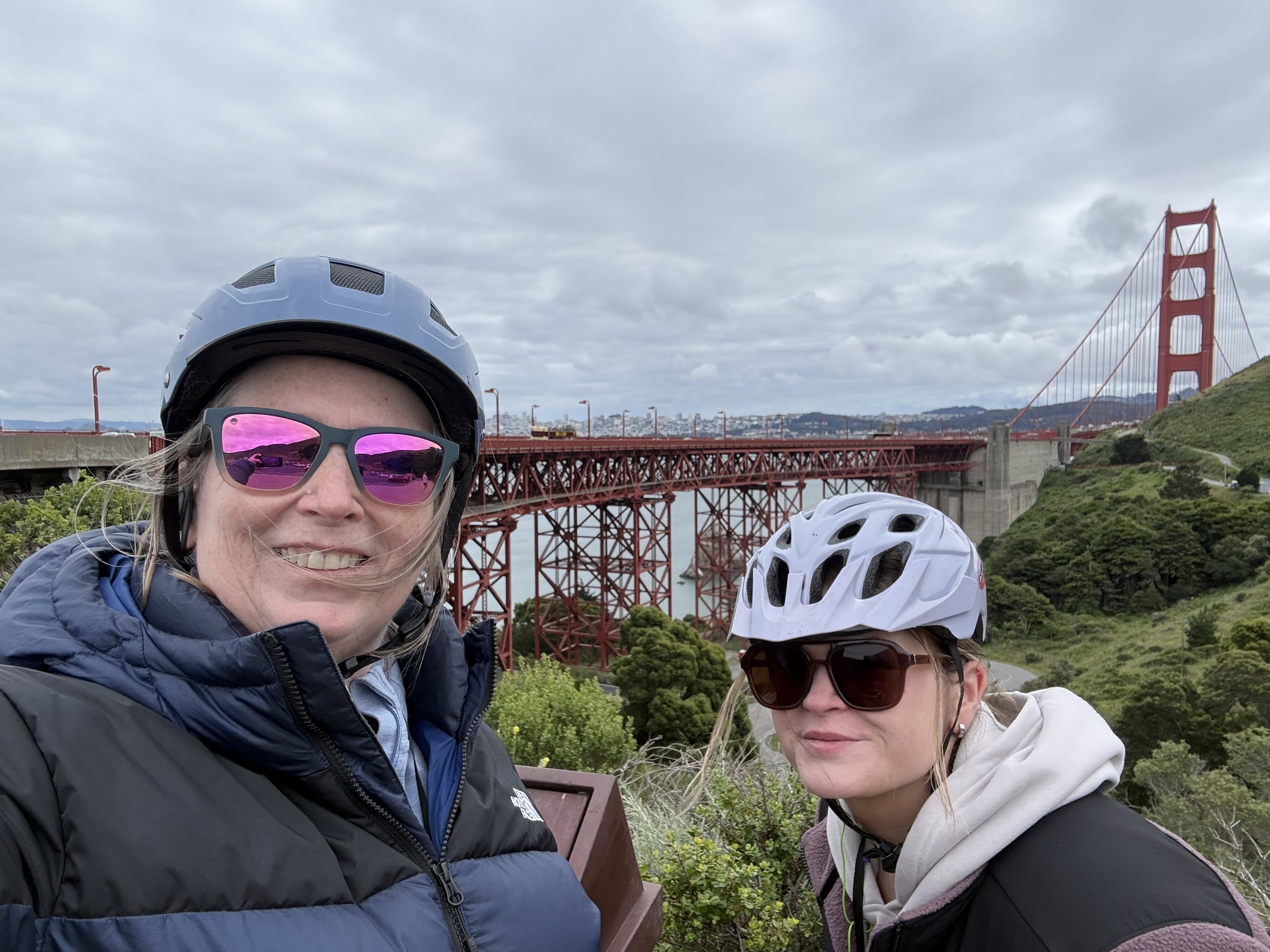
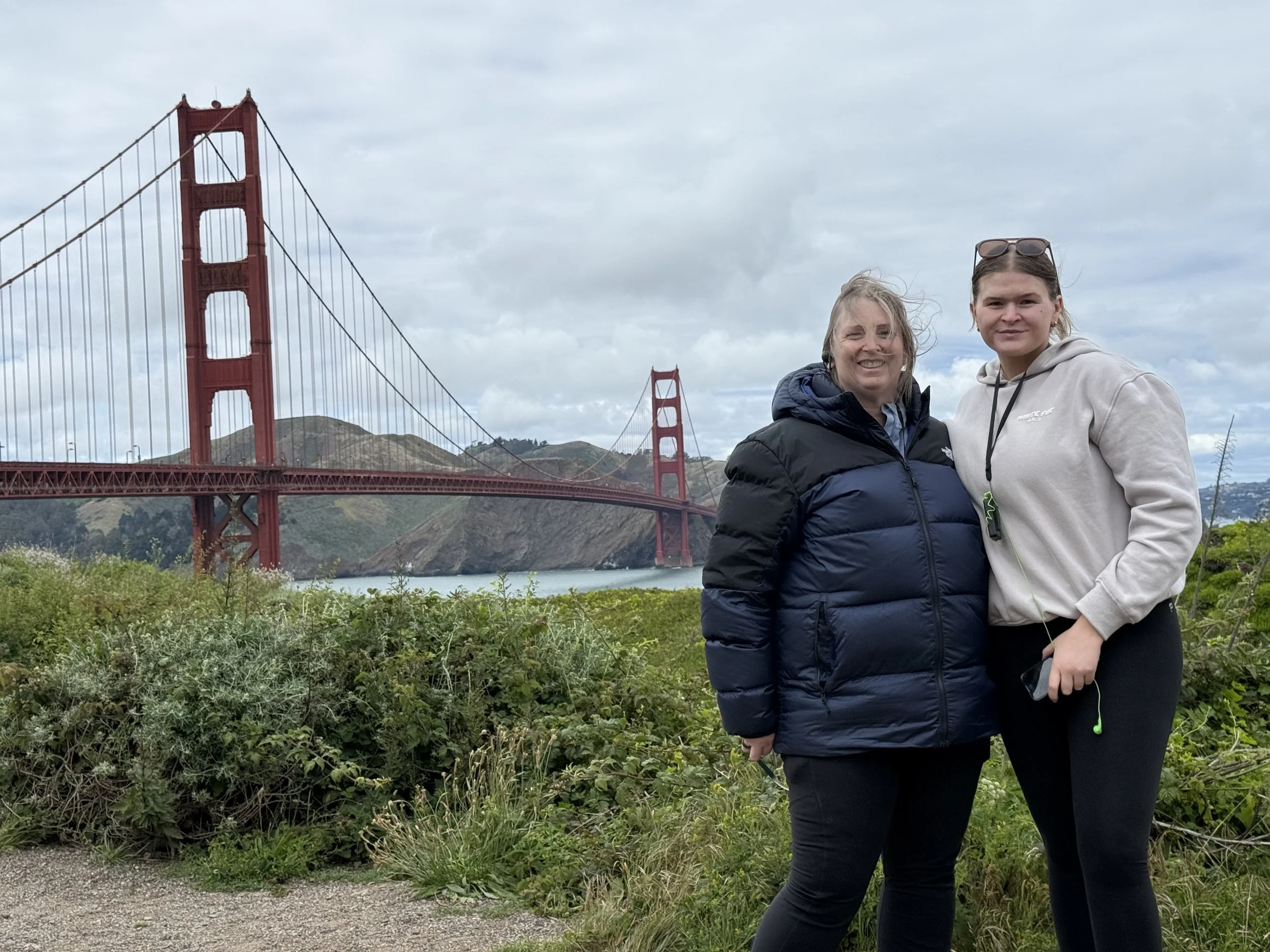
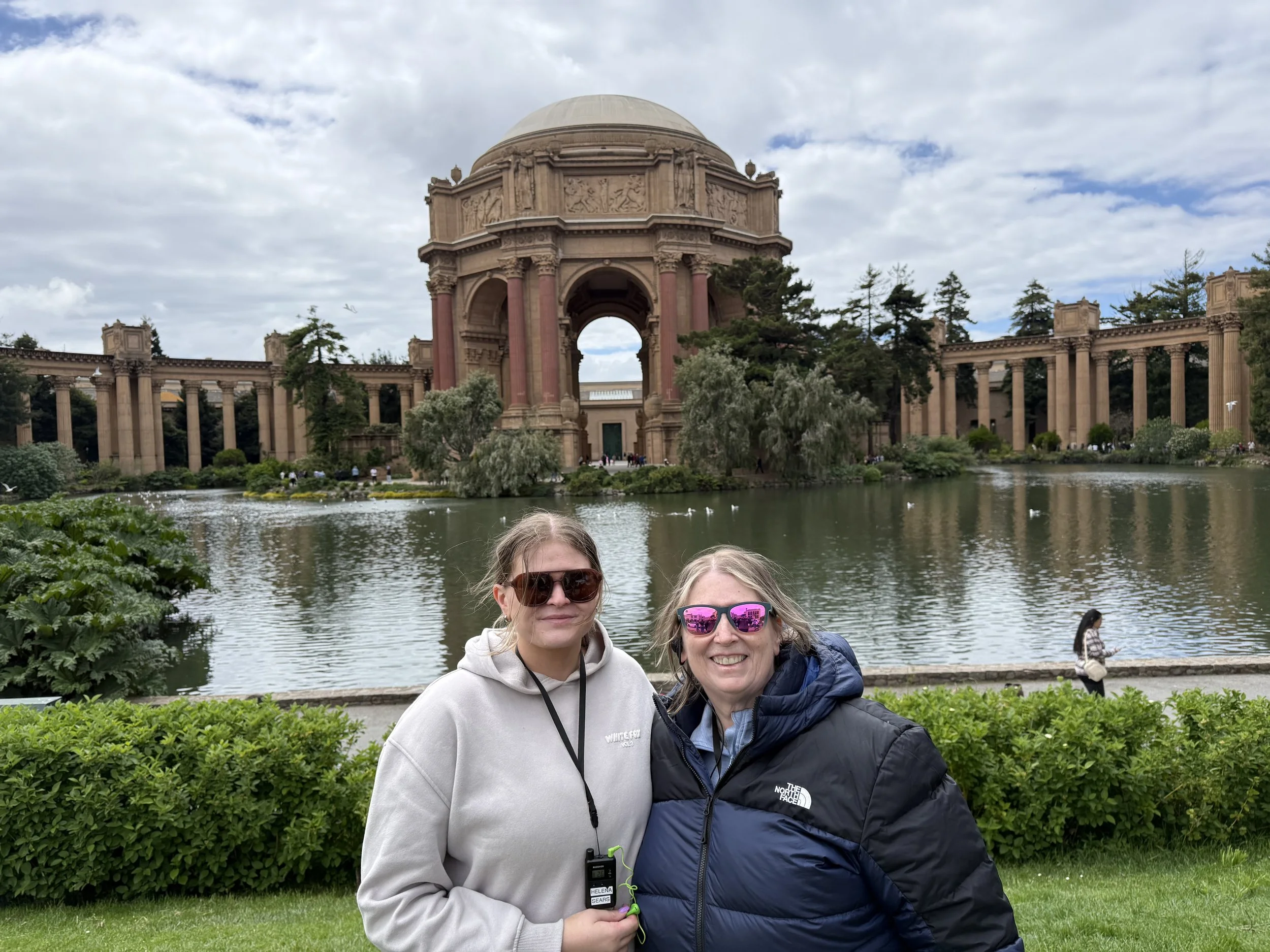
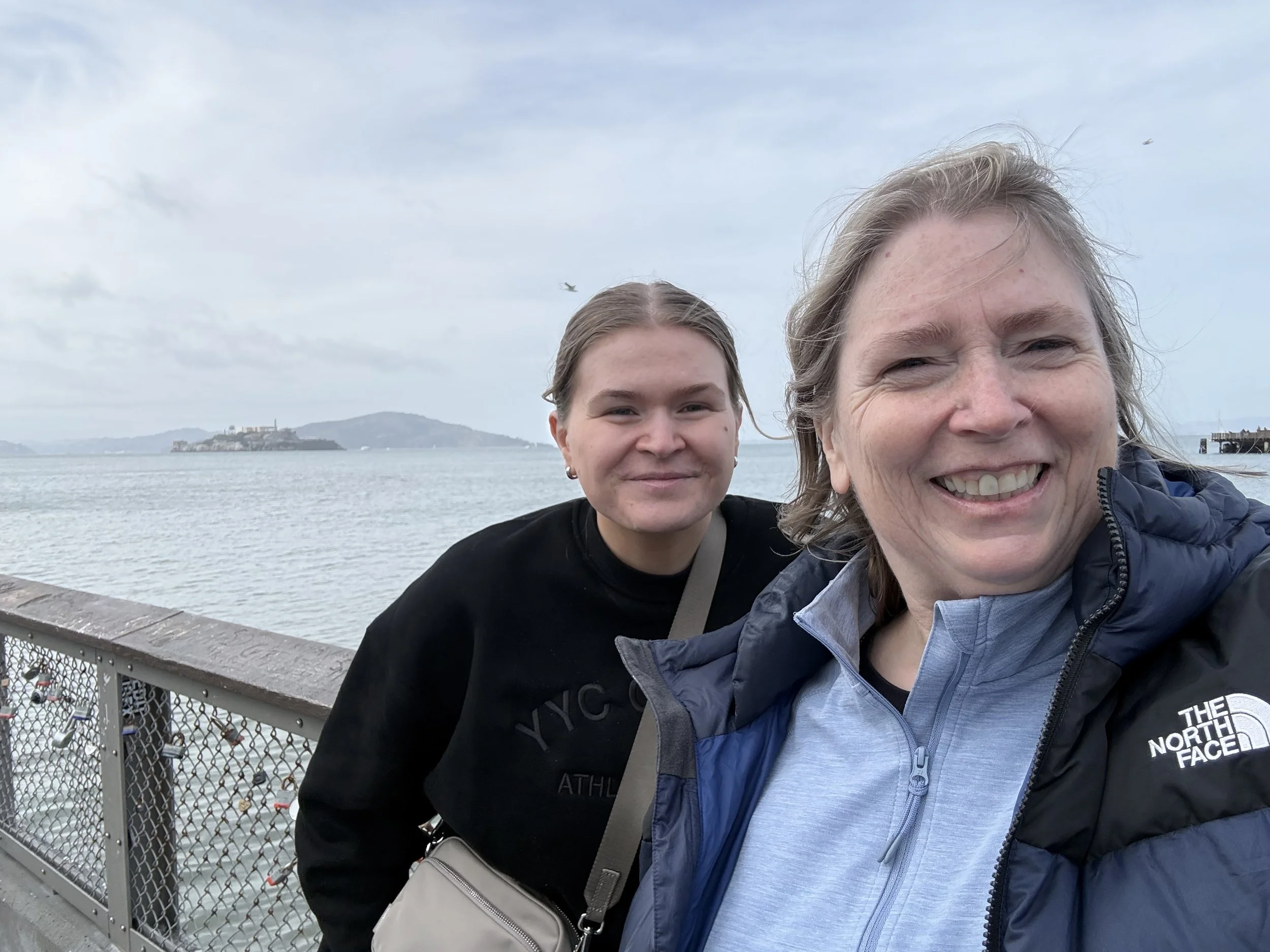
2026 was a fresh start. As this relay was an early season relay it also meant it was an early season qualifier. I decided to go to San Francisco and complete it out there. Prior to the trip I had done a couple of short lake swims, but the water was still cool in the UK. The lead up to the trip was not ideal. Work was extremely challenging and I was on the edge of burnout. My original plan had been an acclimatisation swim, escape from Alcatraz and then the qualifier. Seemed logical and old me would have handled that well. However, I needed to spend the first few days rebuilding energy, which left me with one shot at the qualifier. First the first few days of the trip I could not face the idea of getting cold and so spent my time being a tourist with my daughter, Lauren.
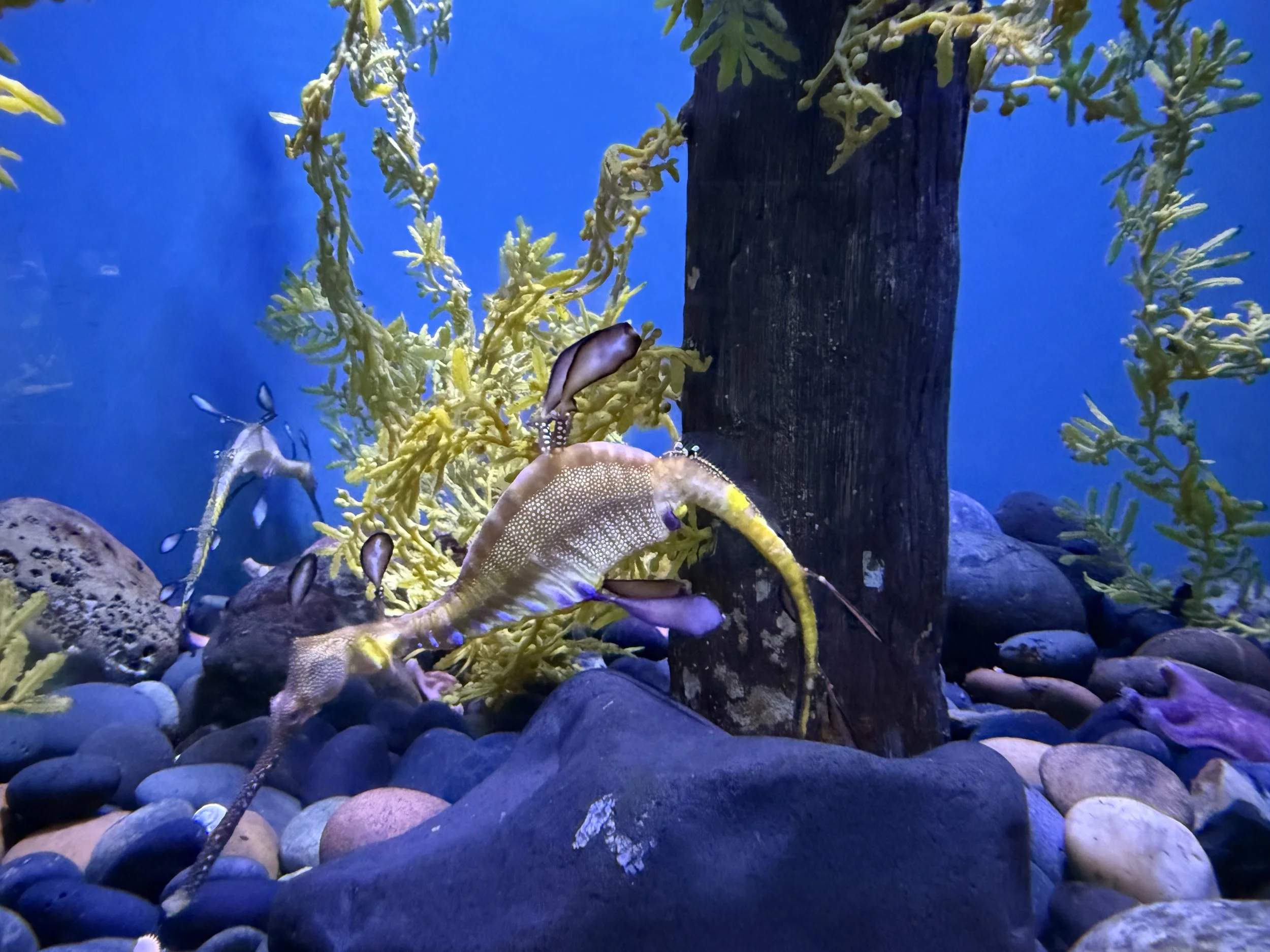
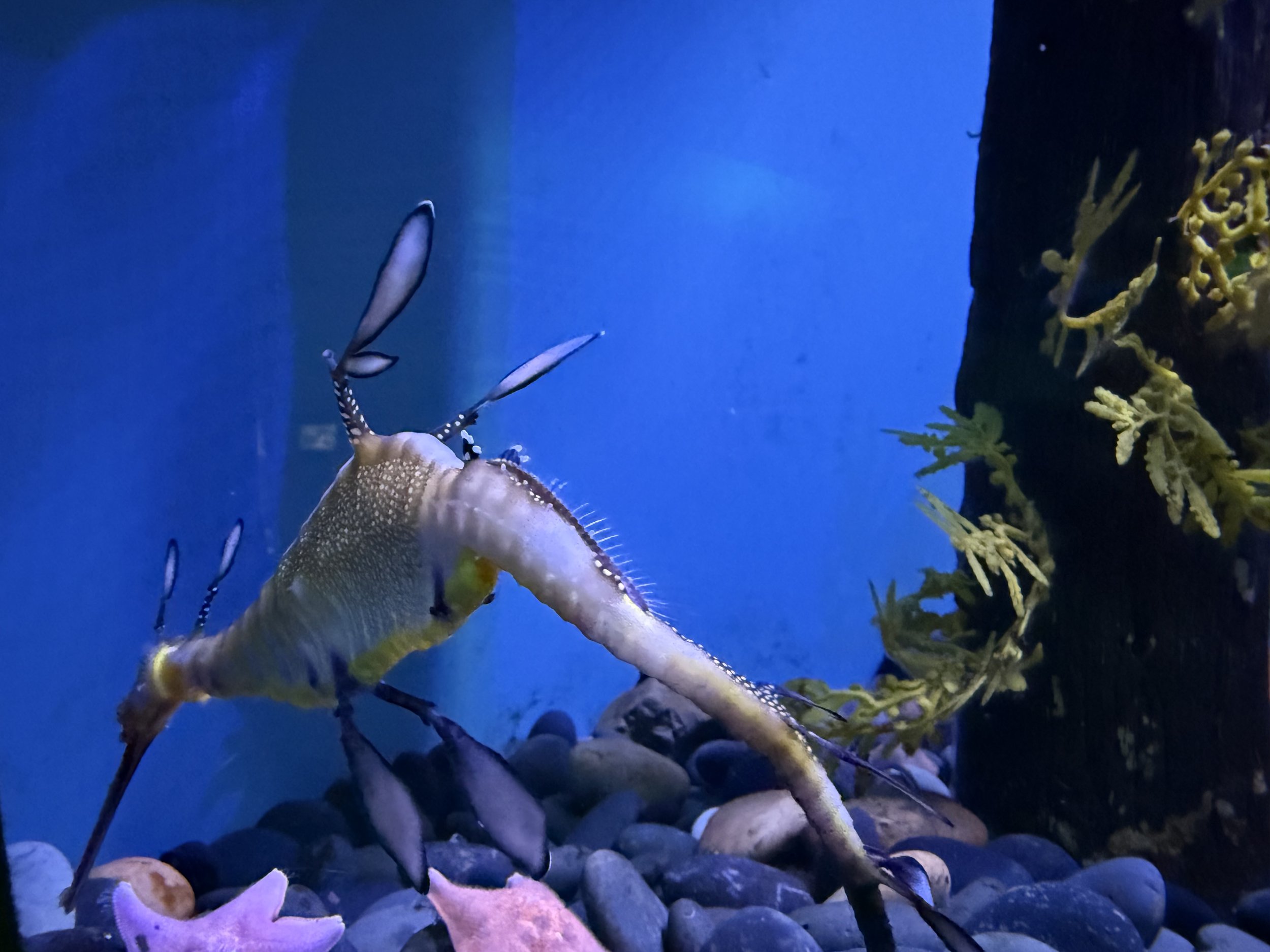
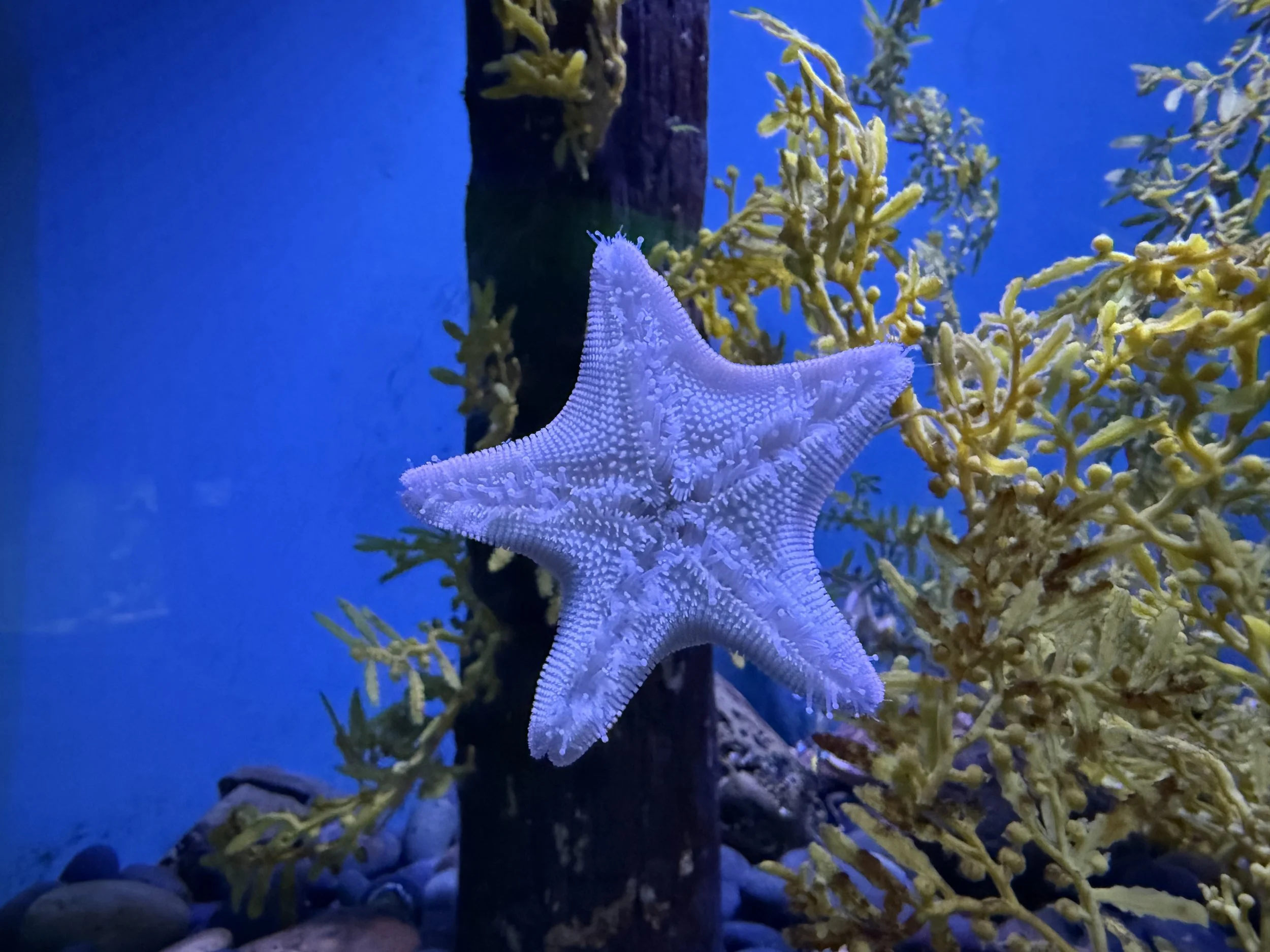
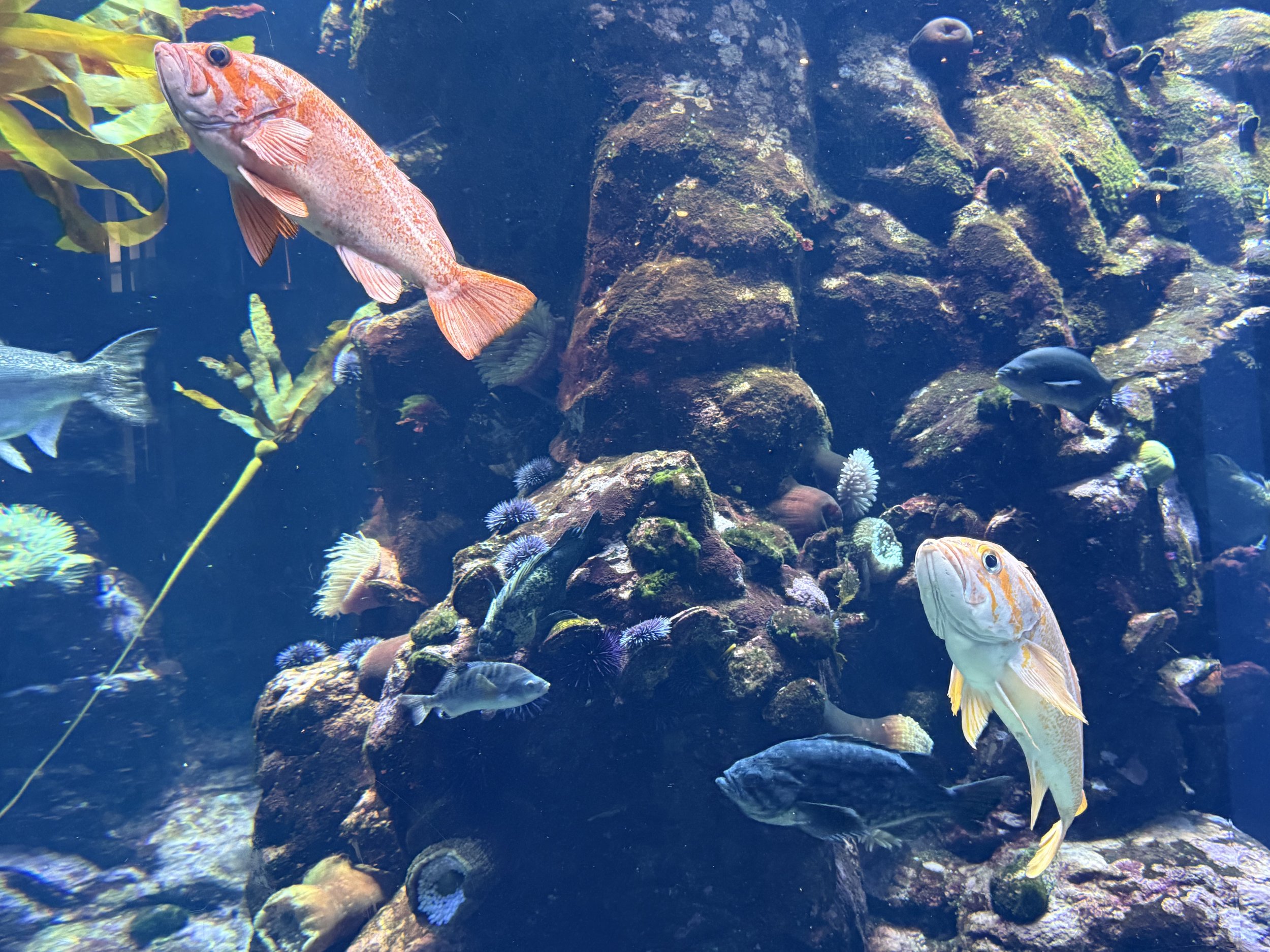
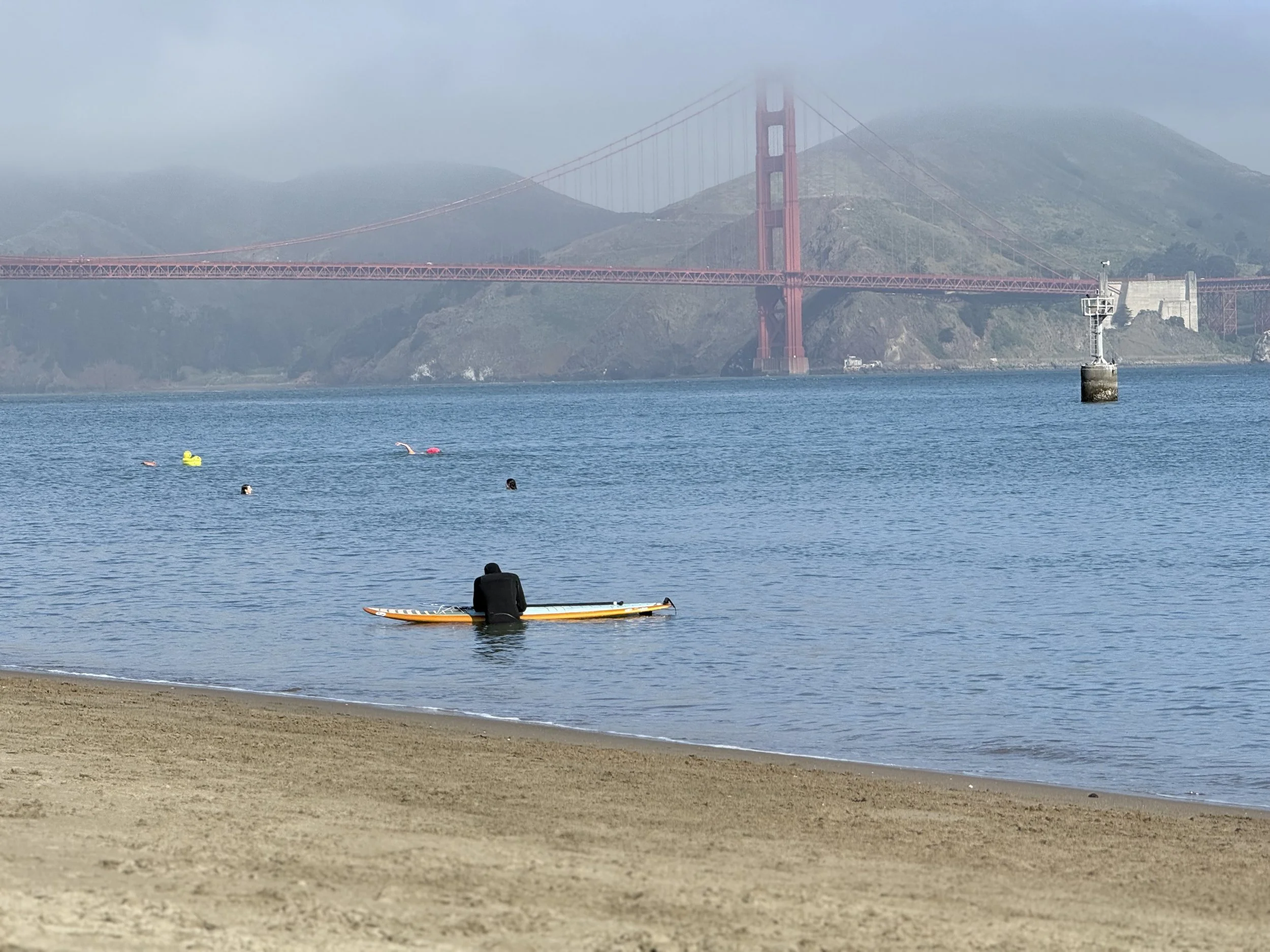
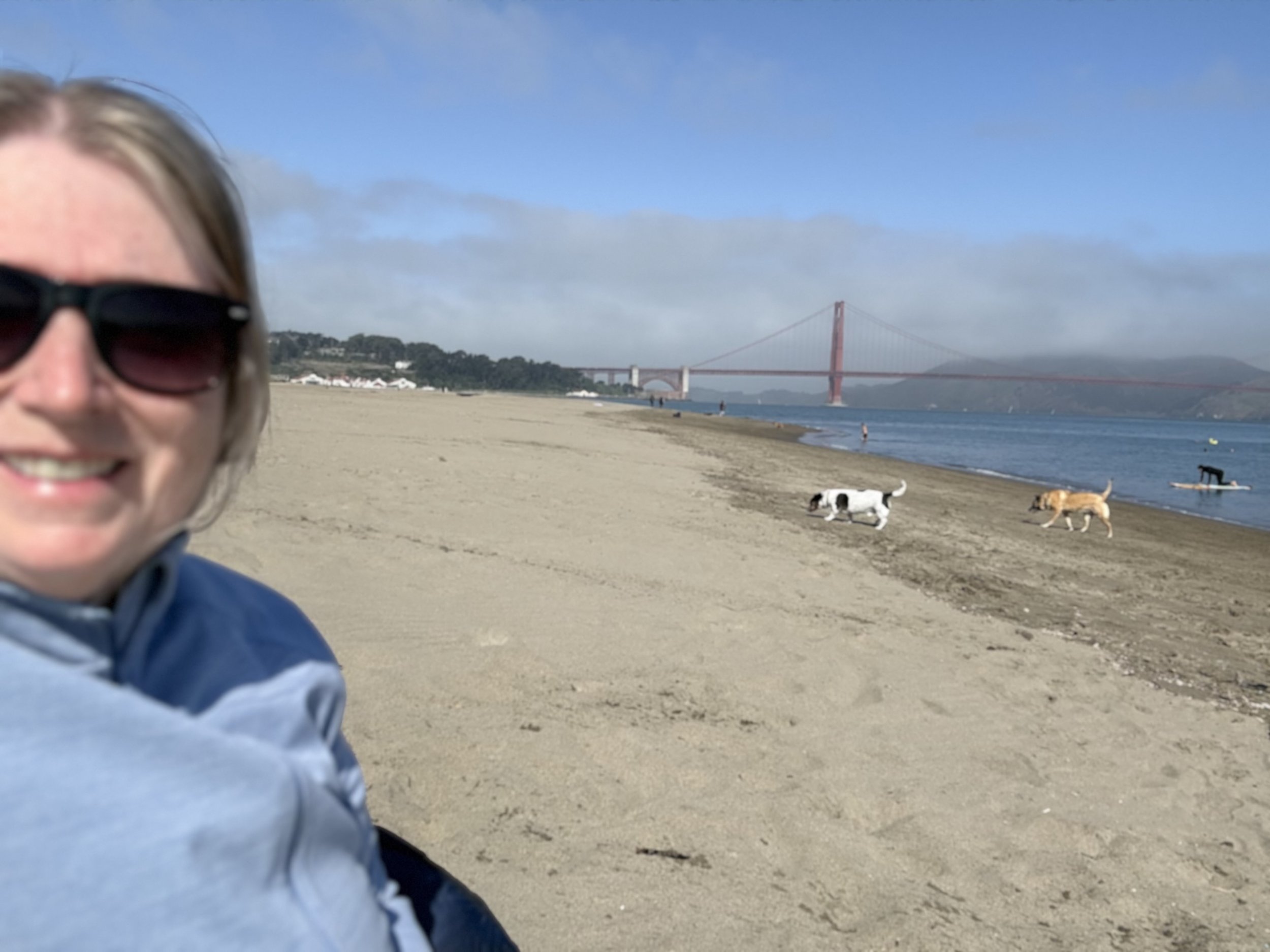
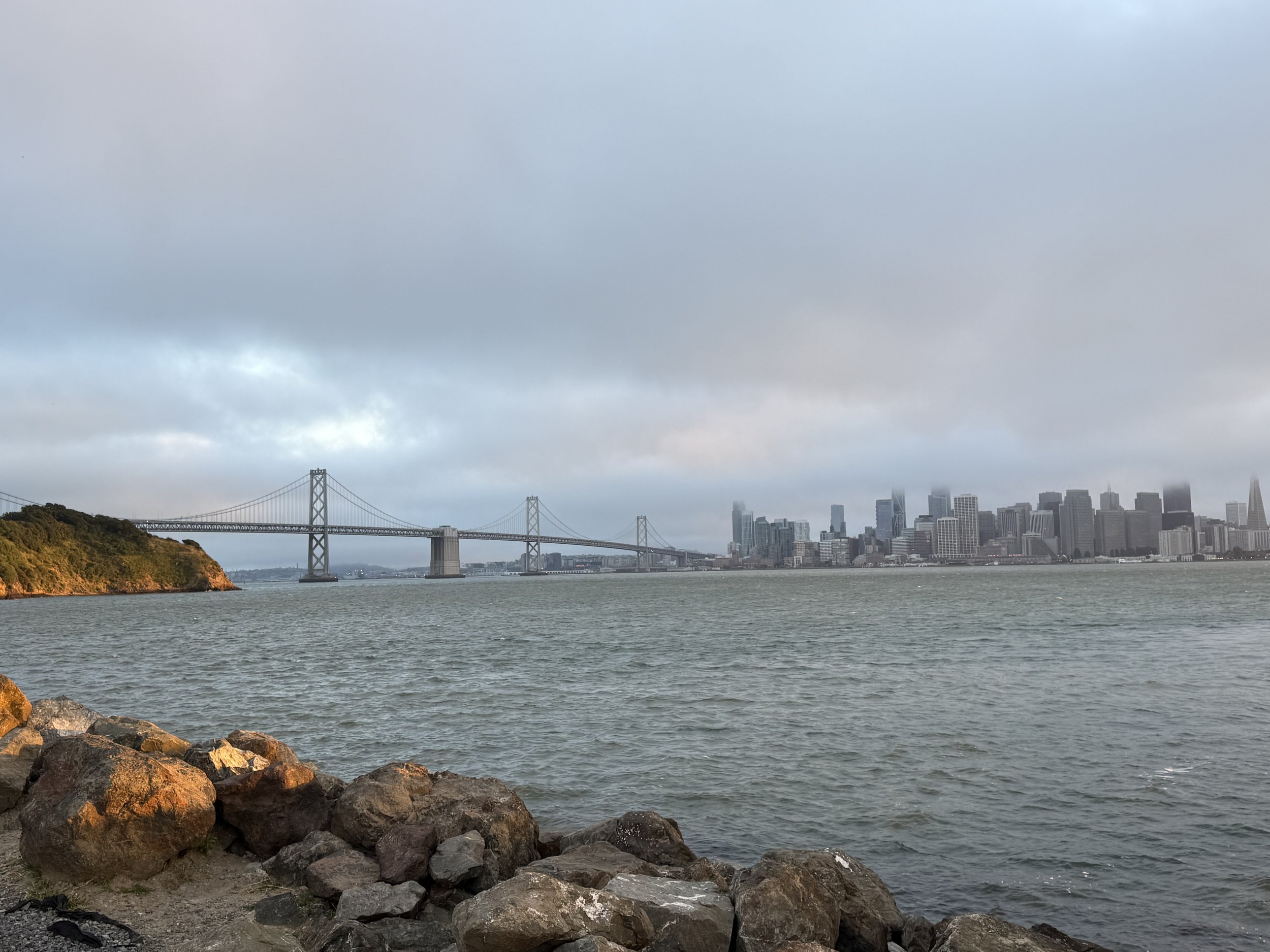
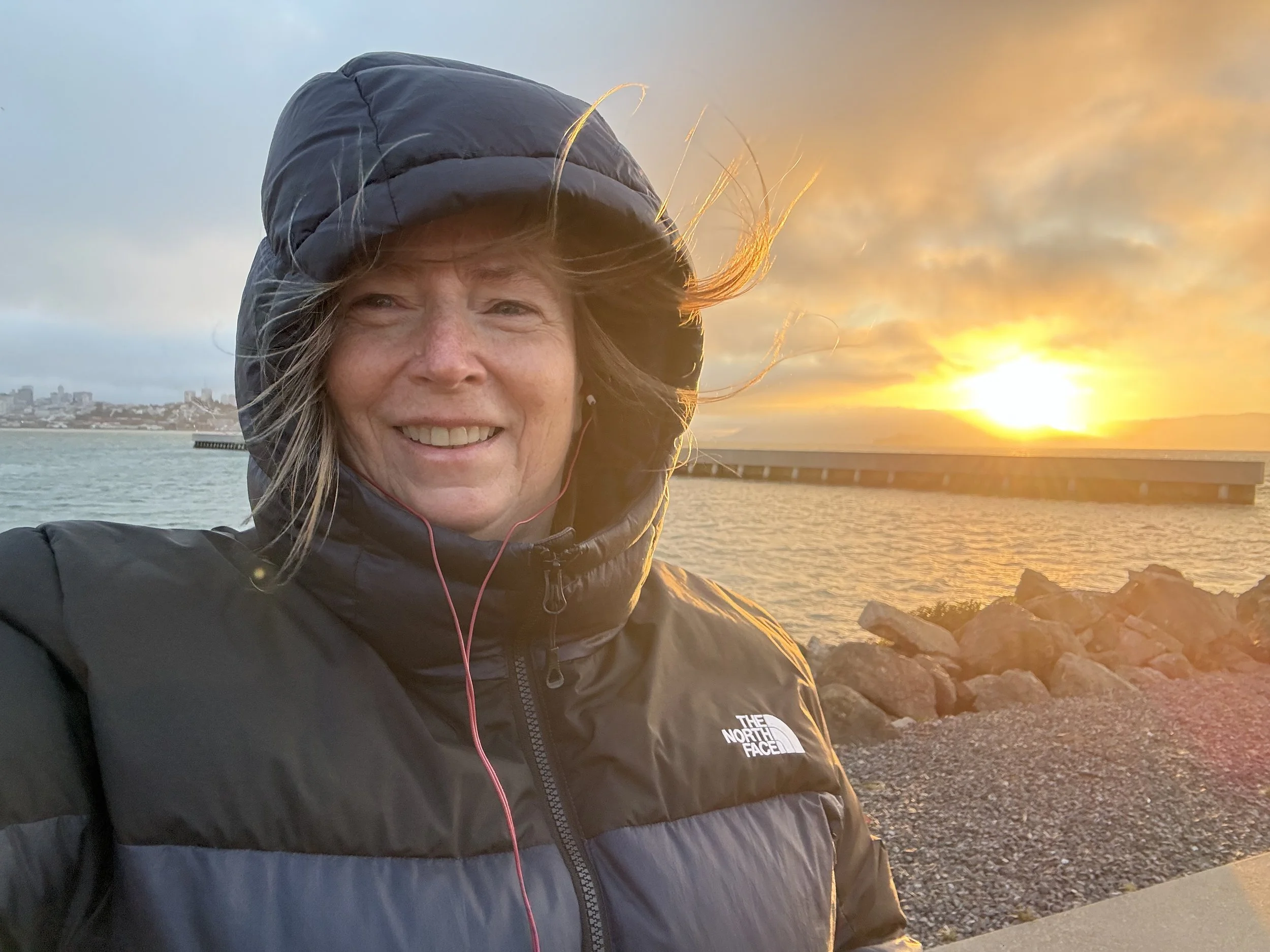
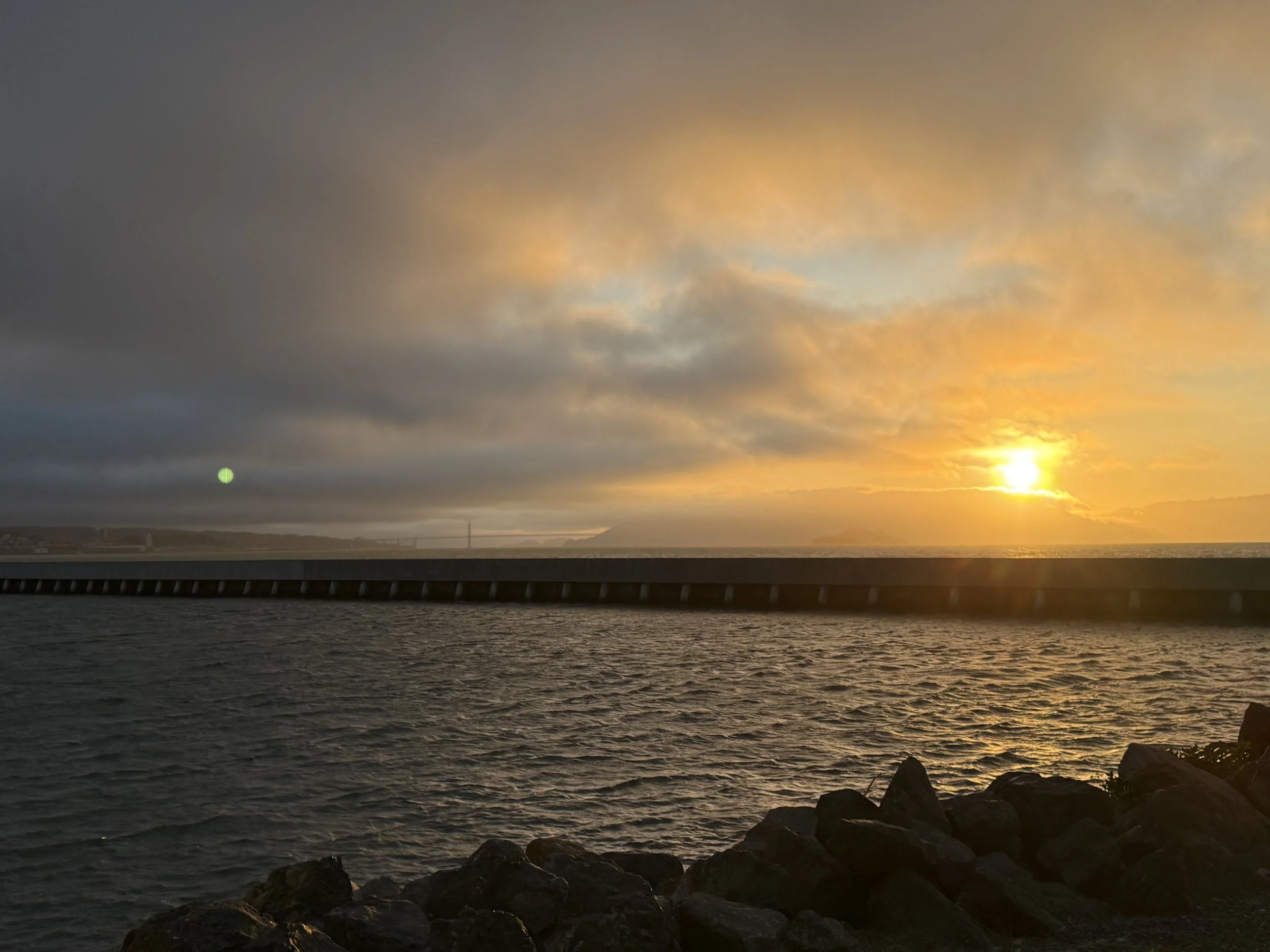
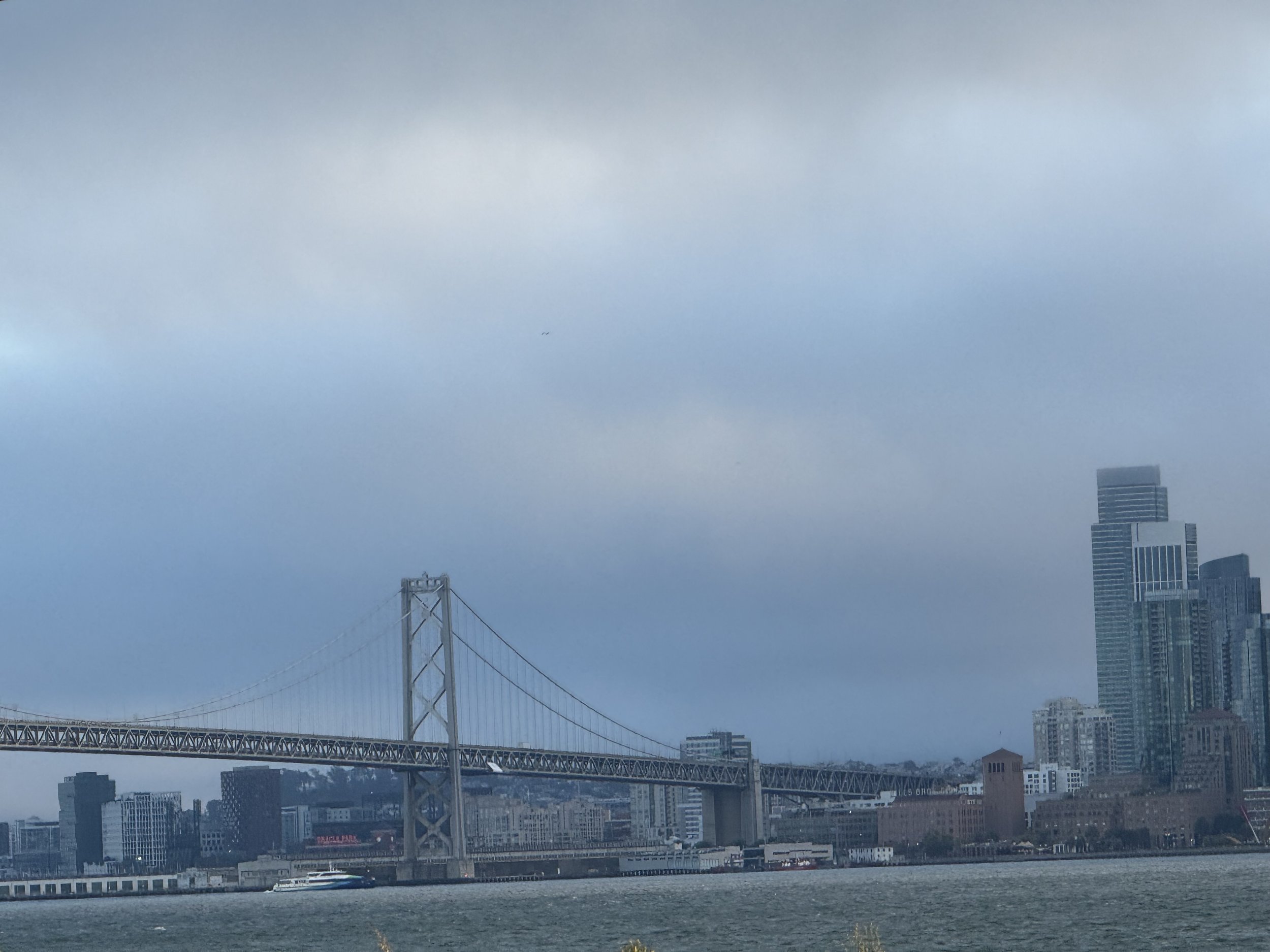

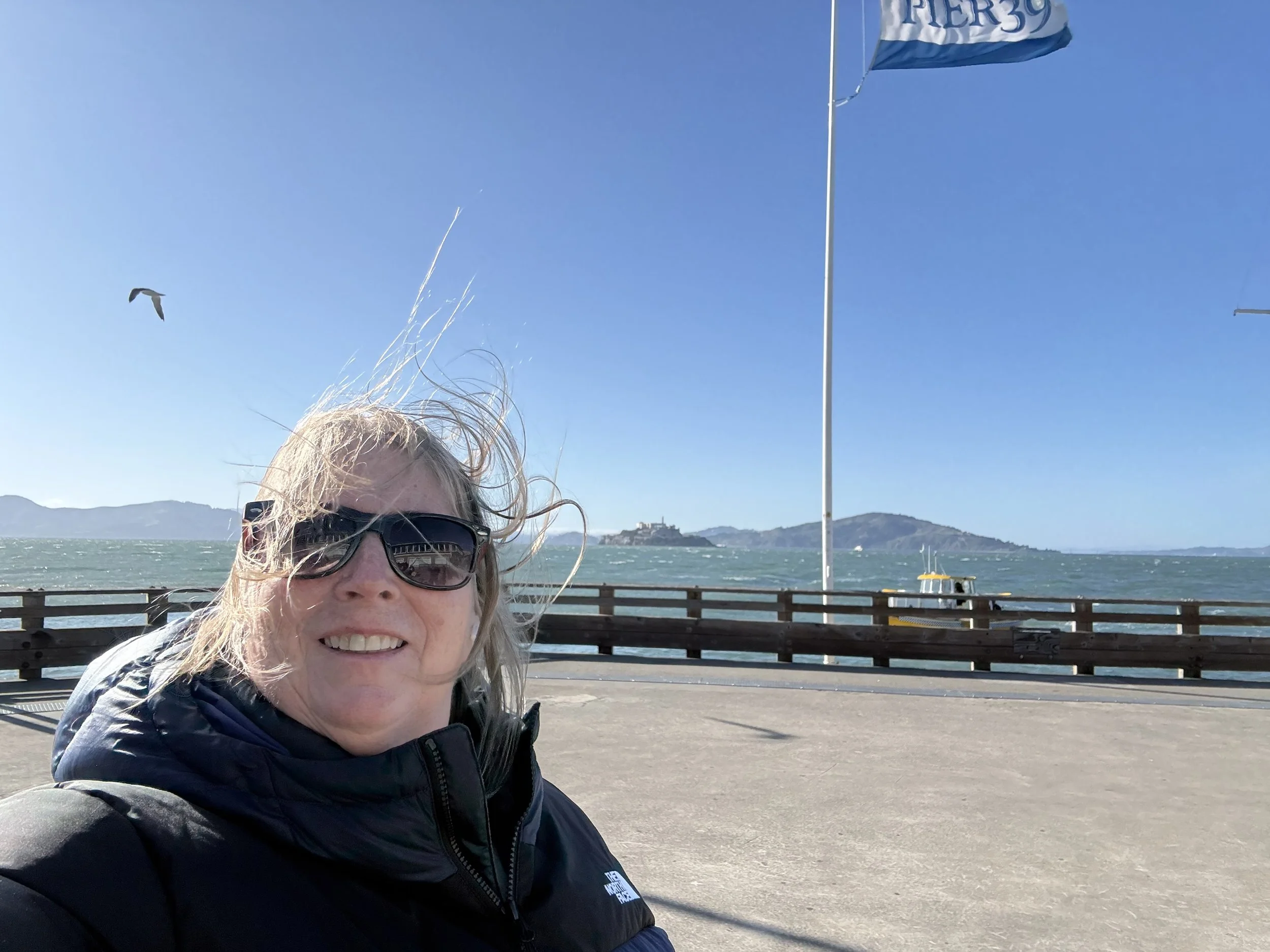




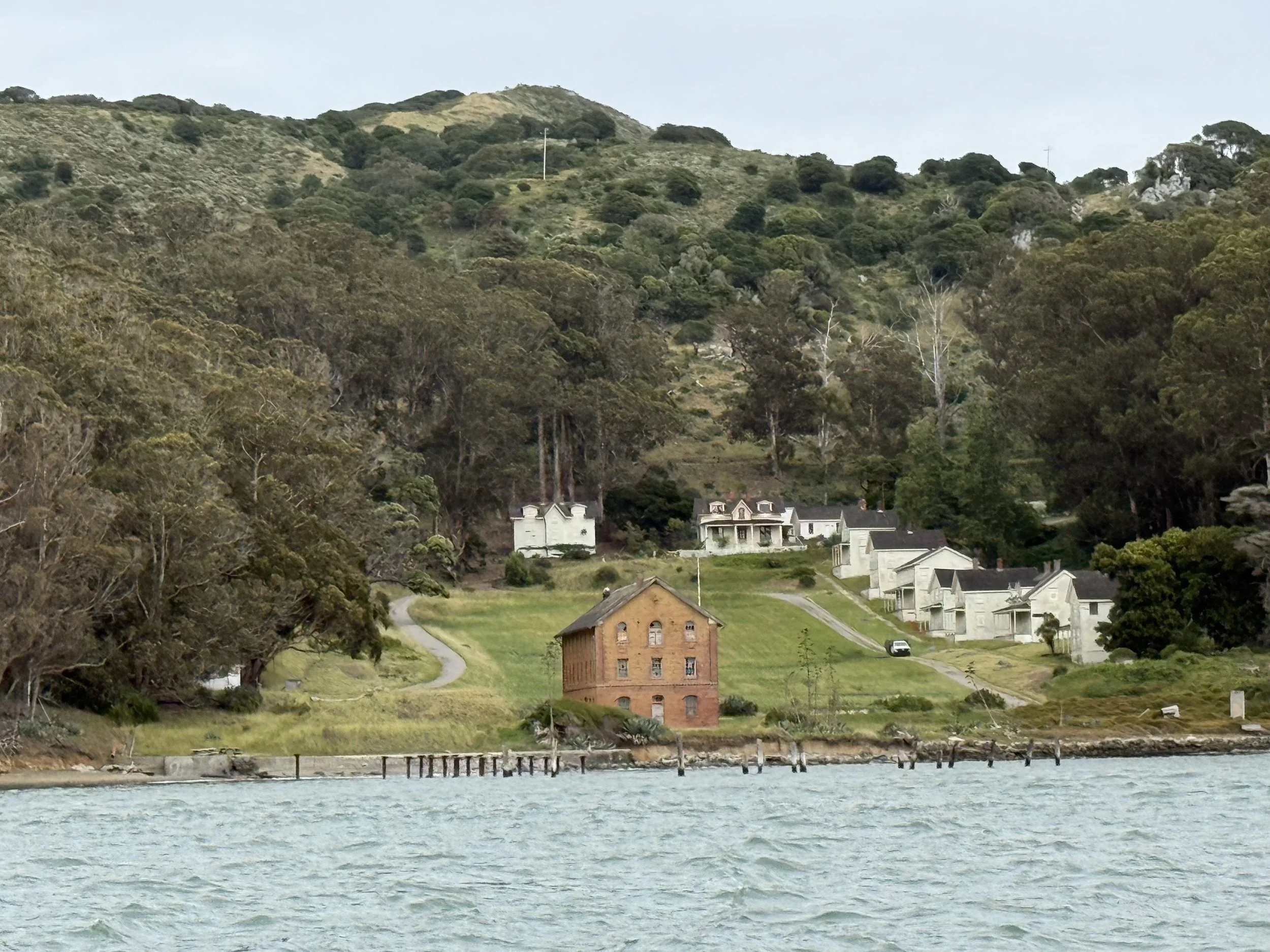
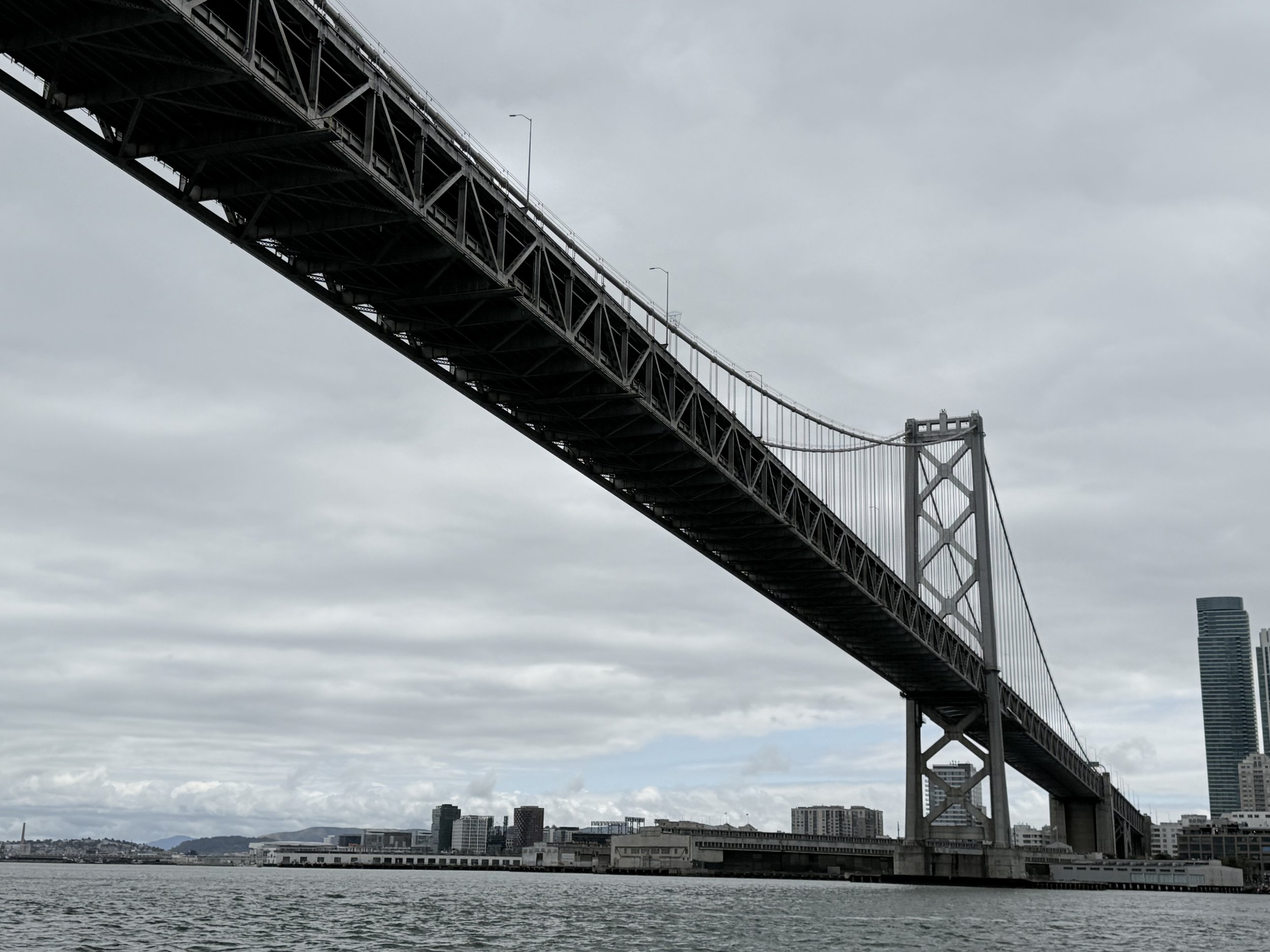
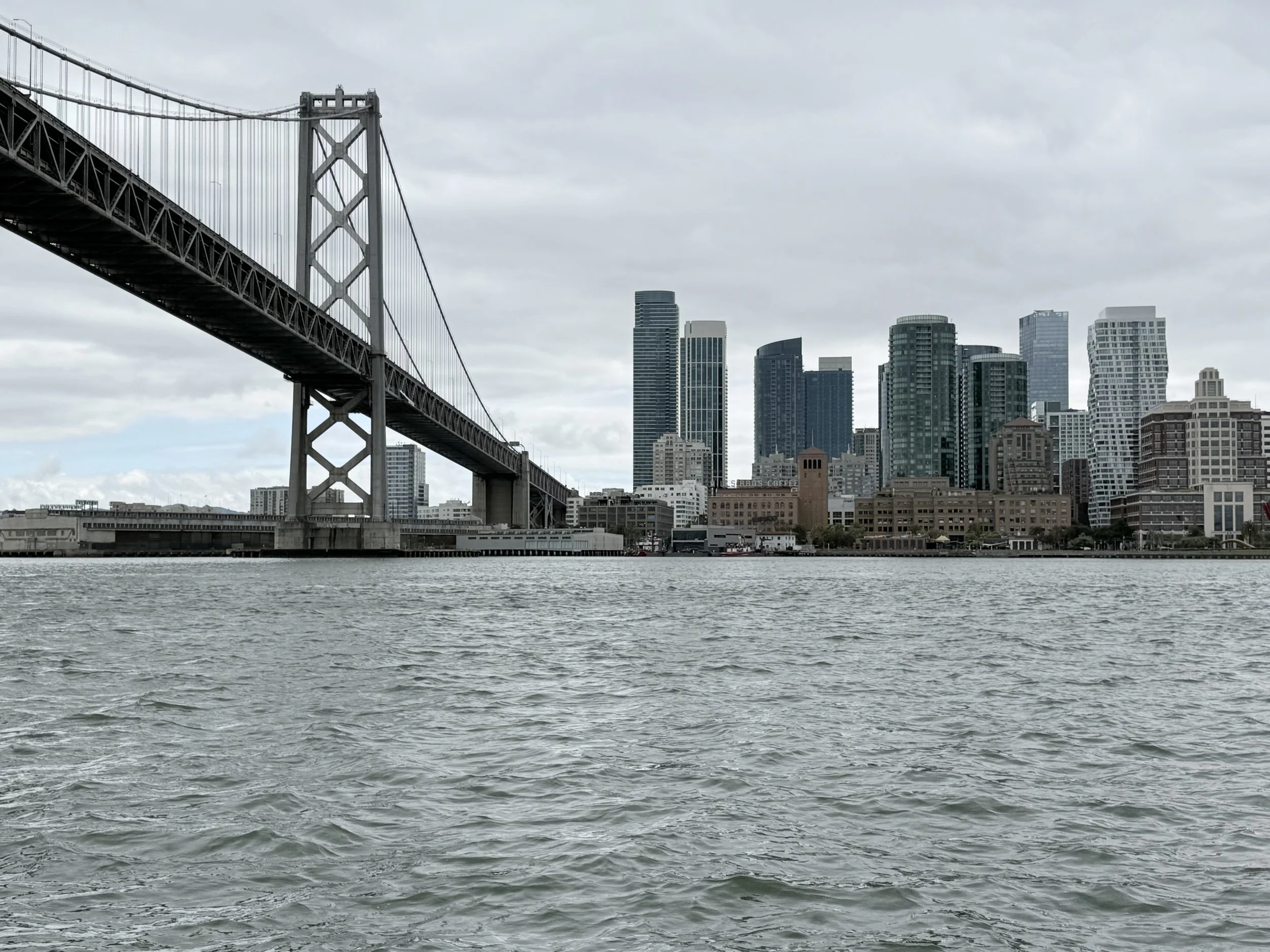
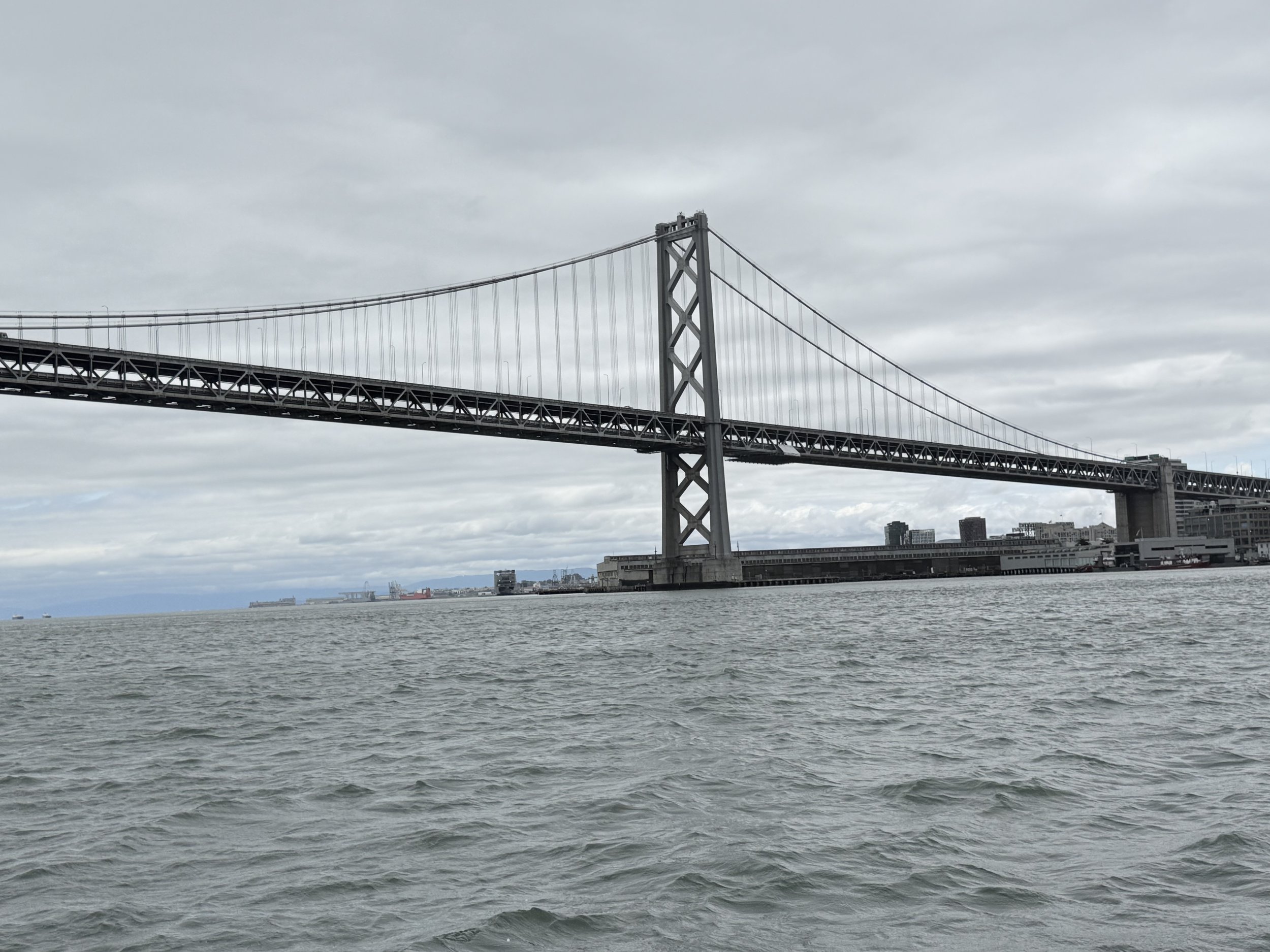
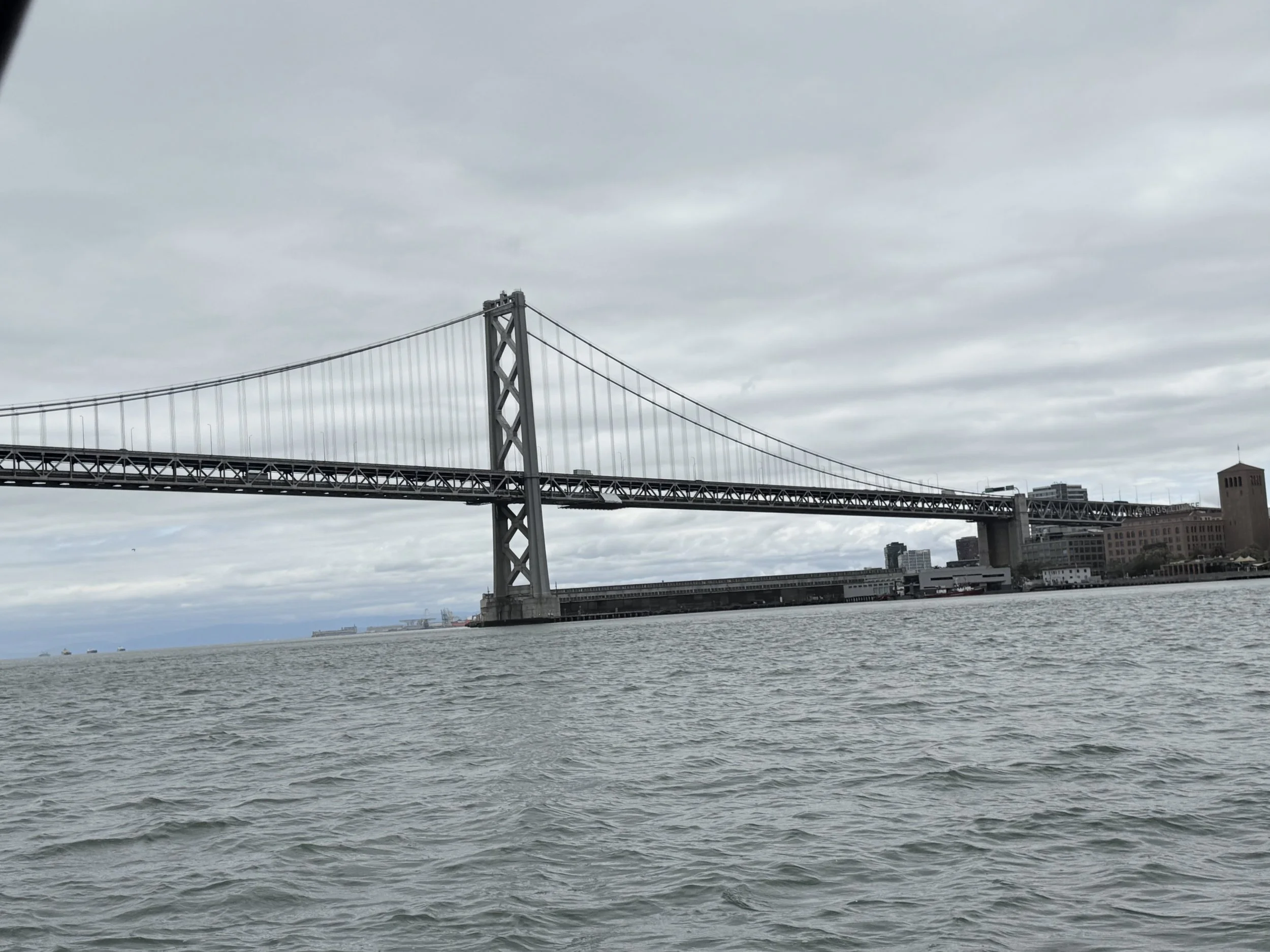
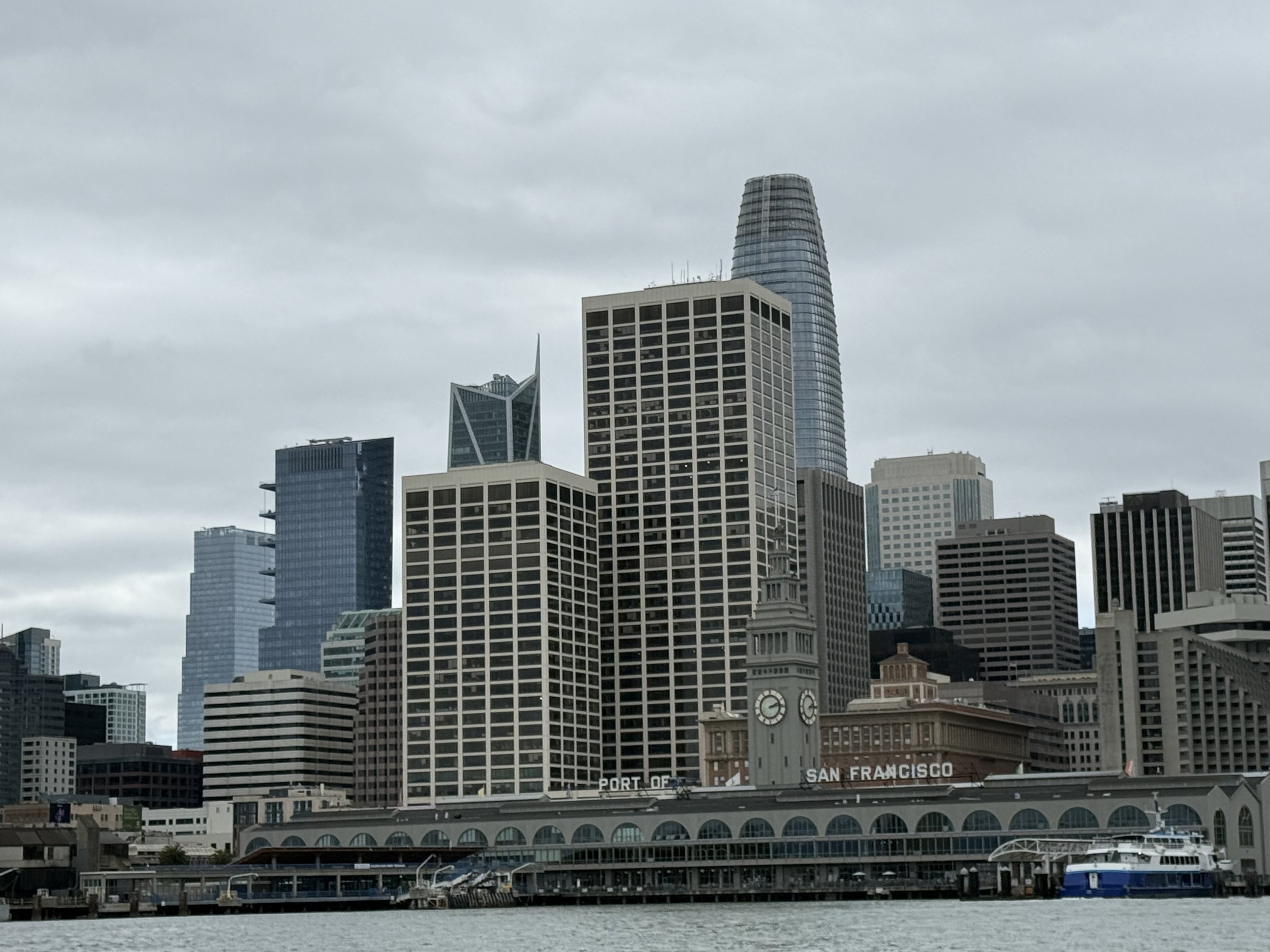
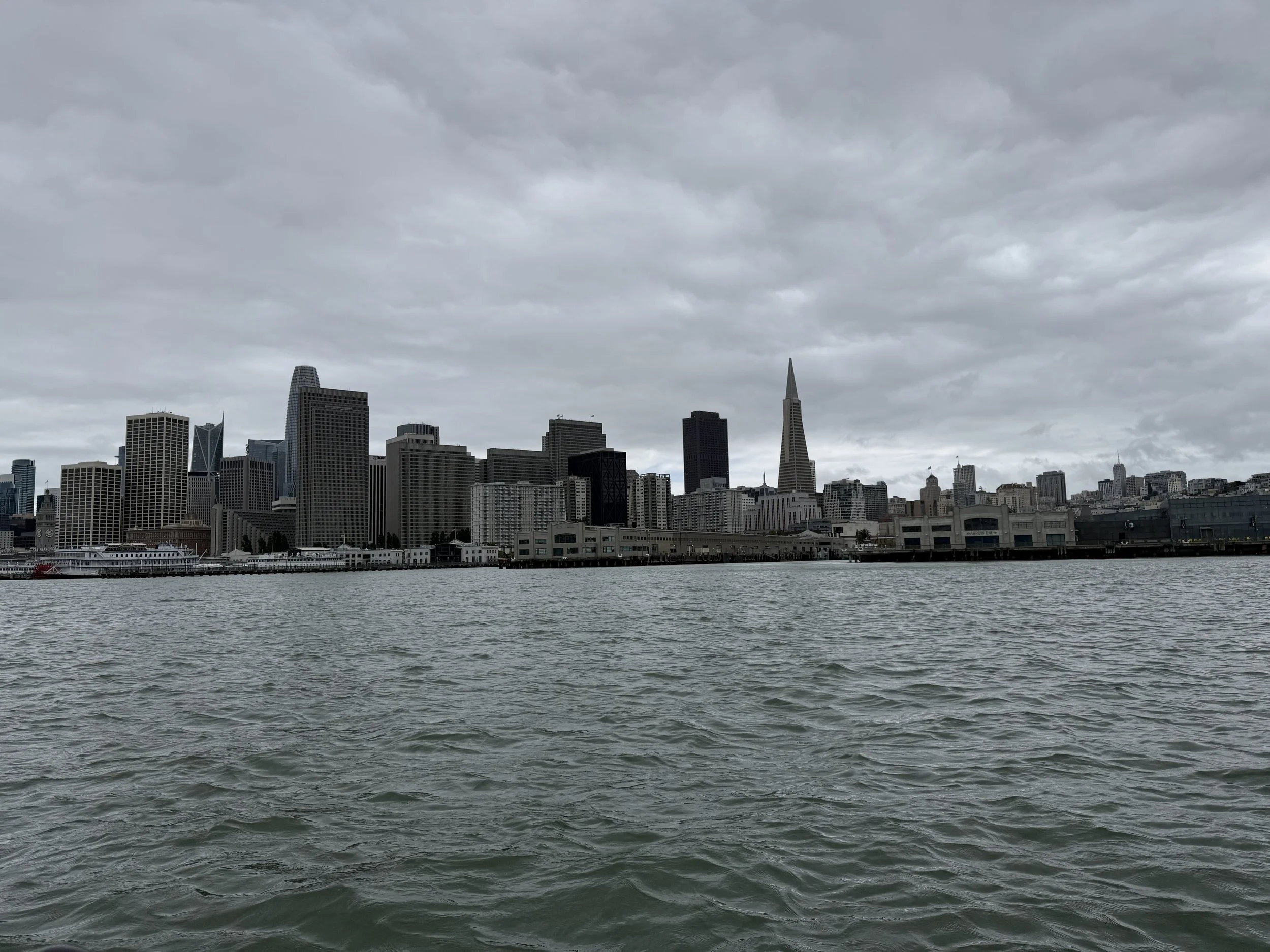
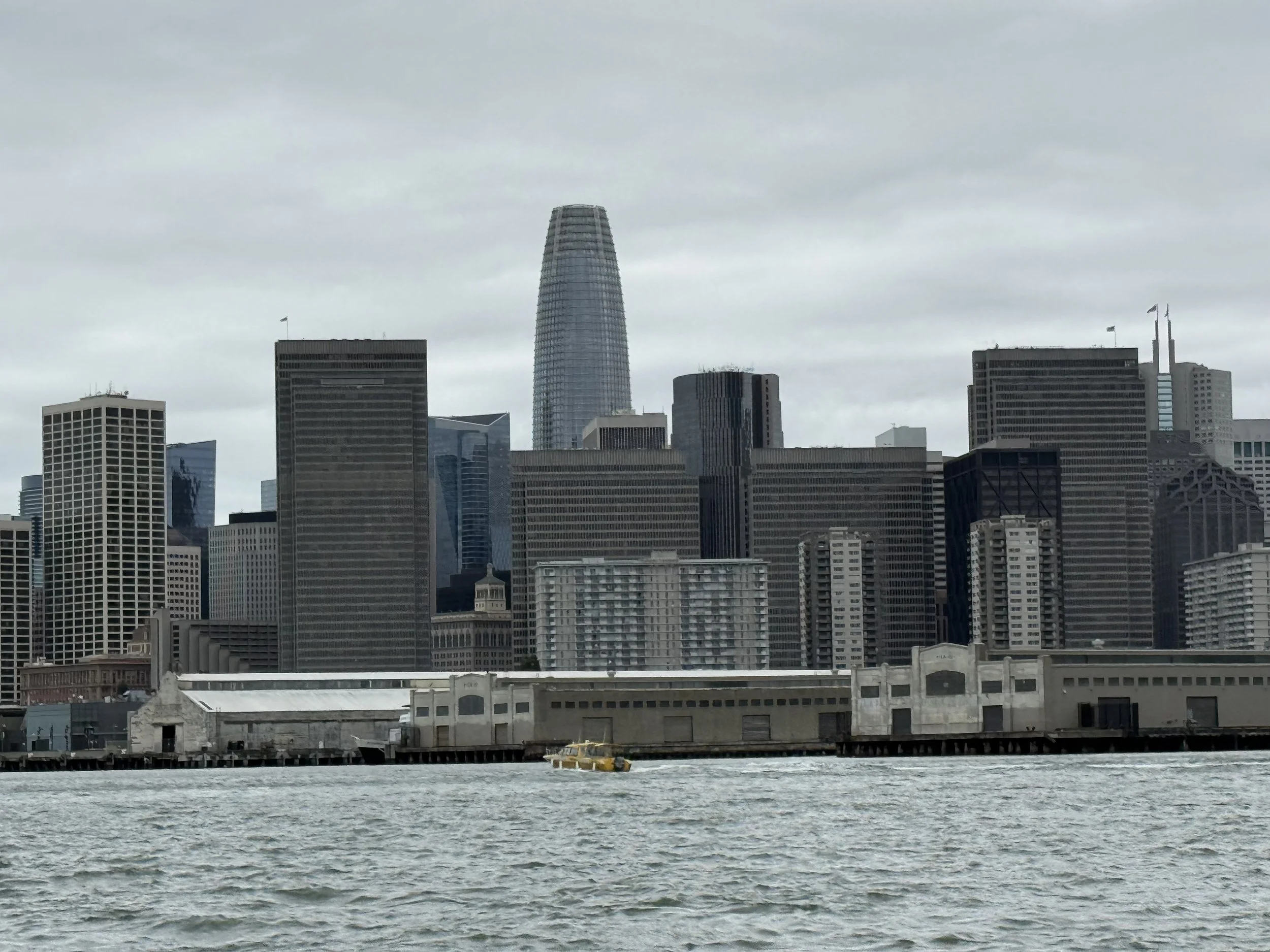
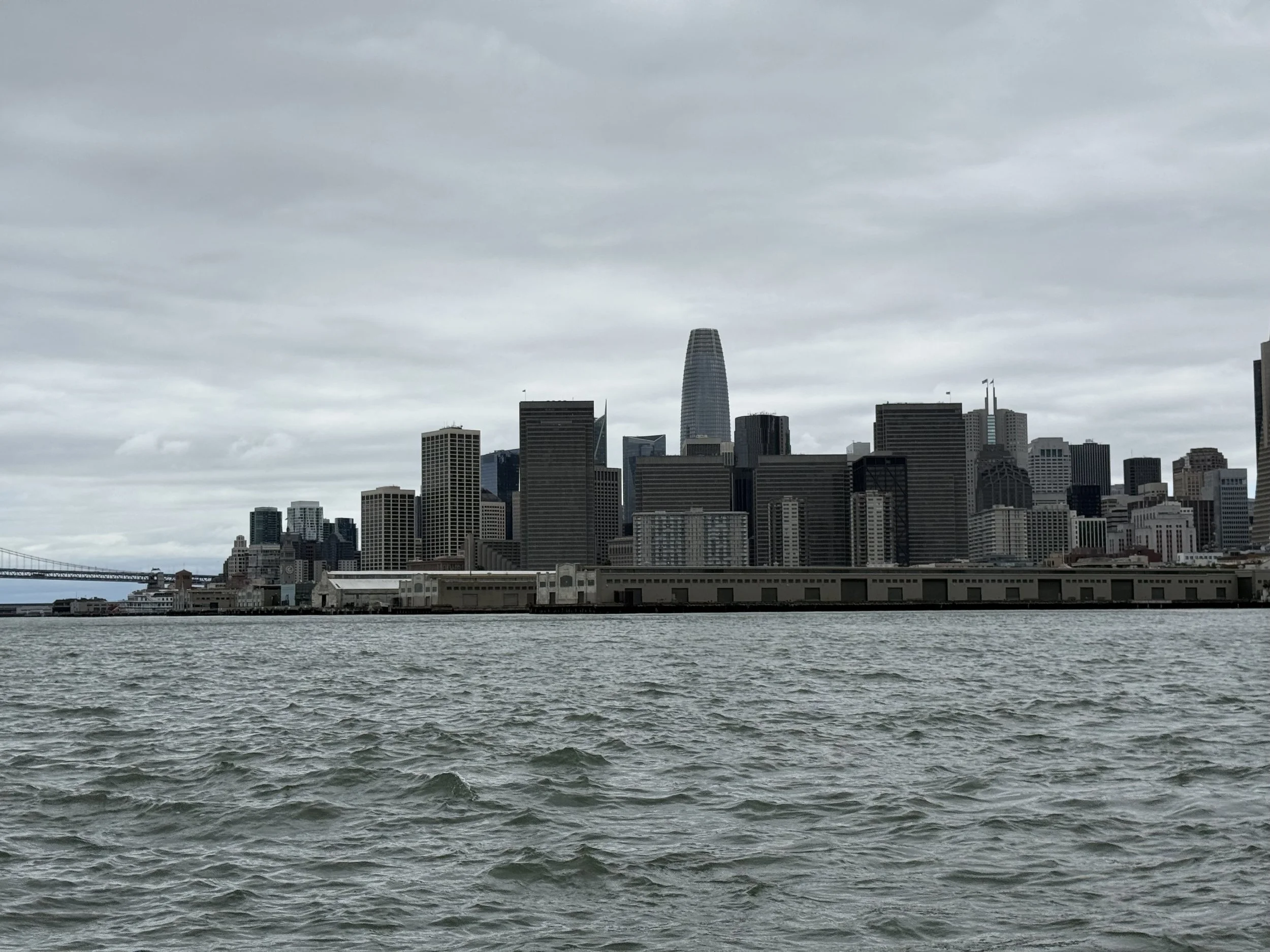
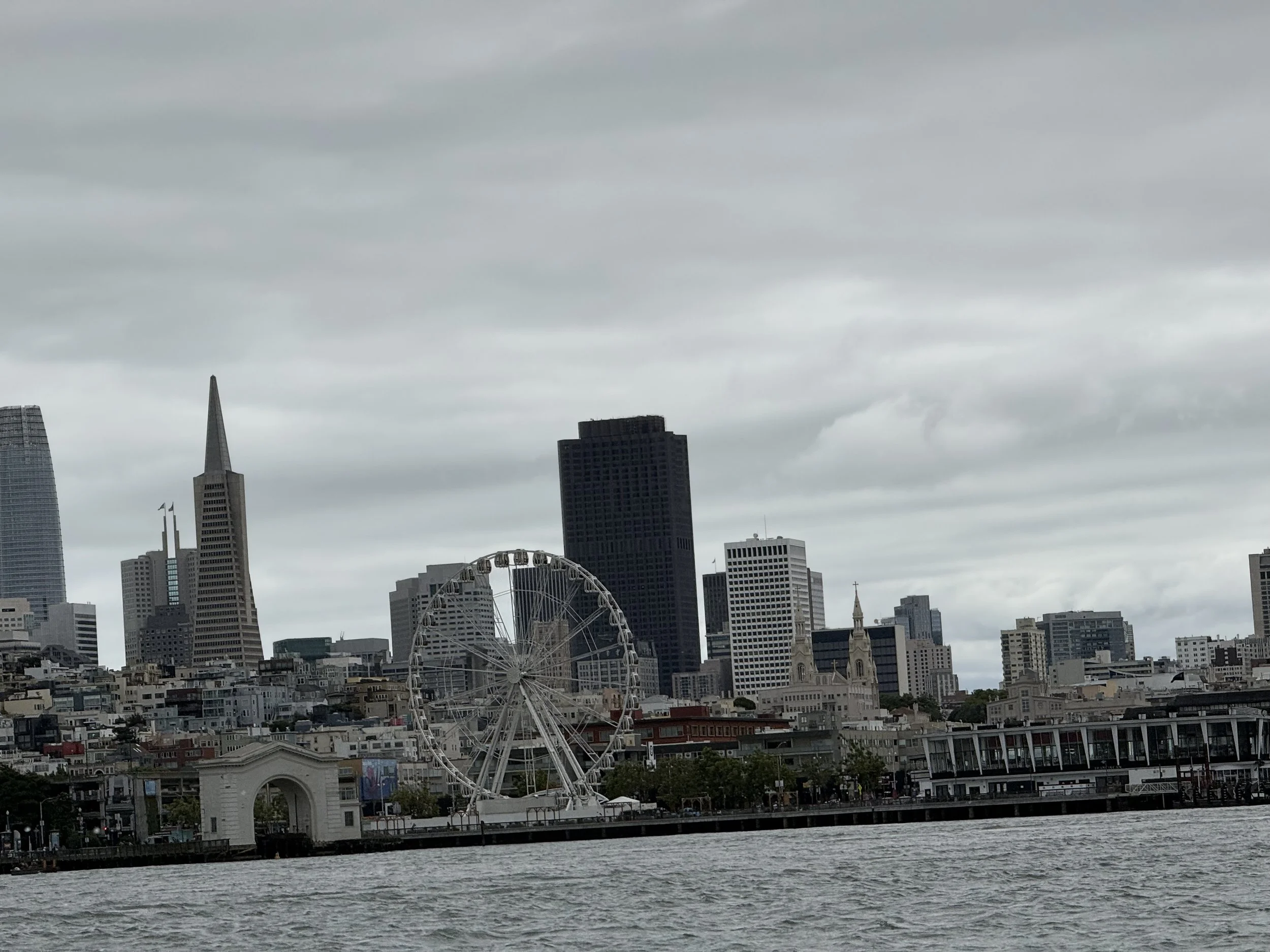
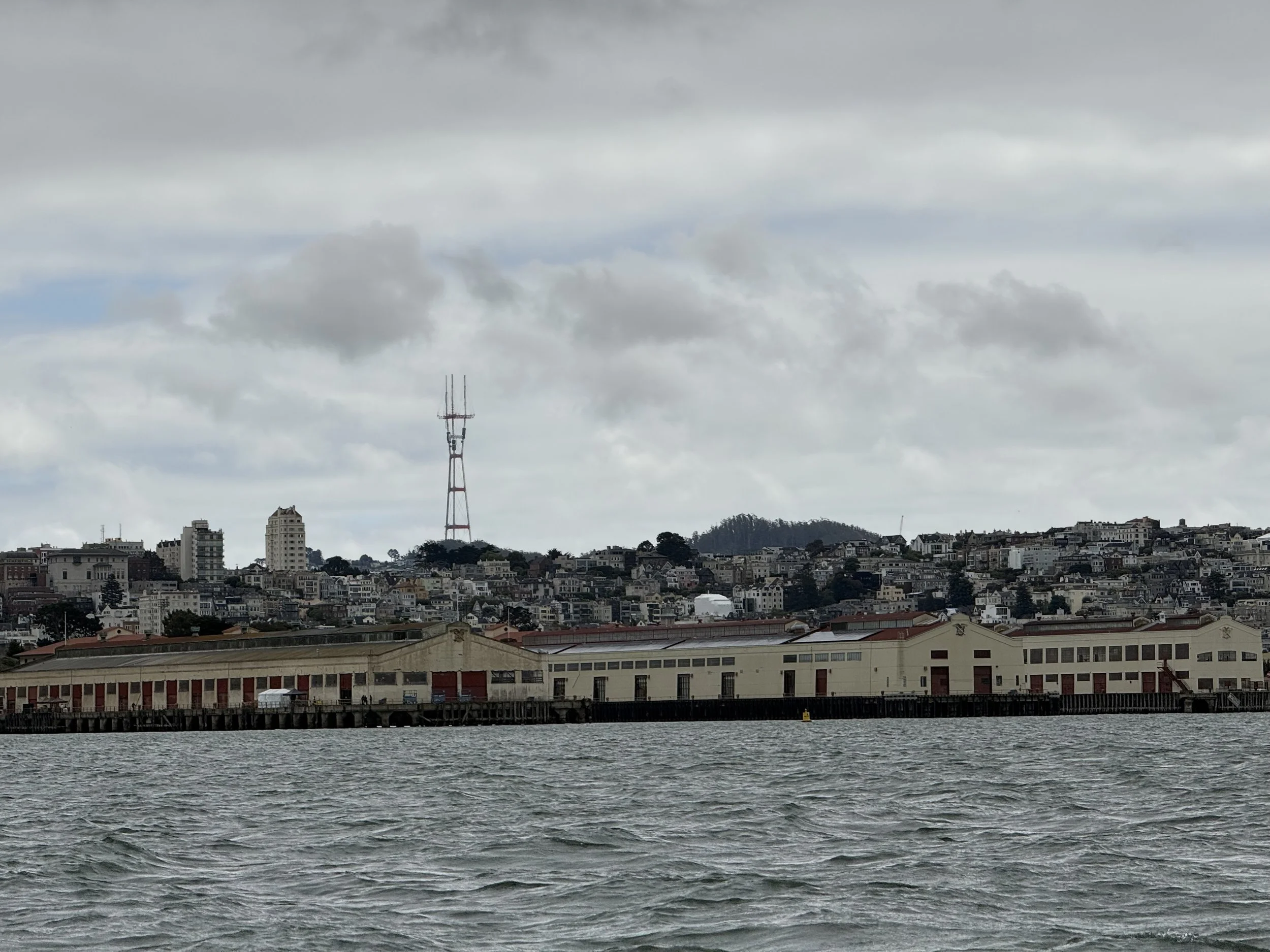
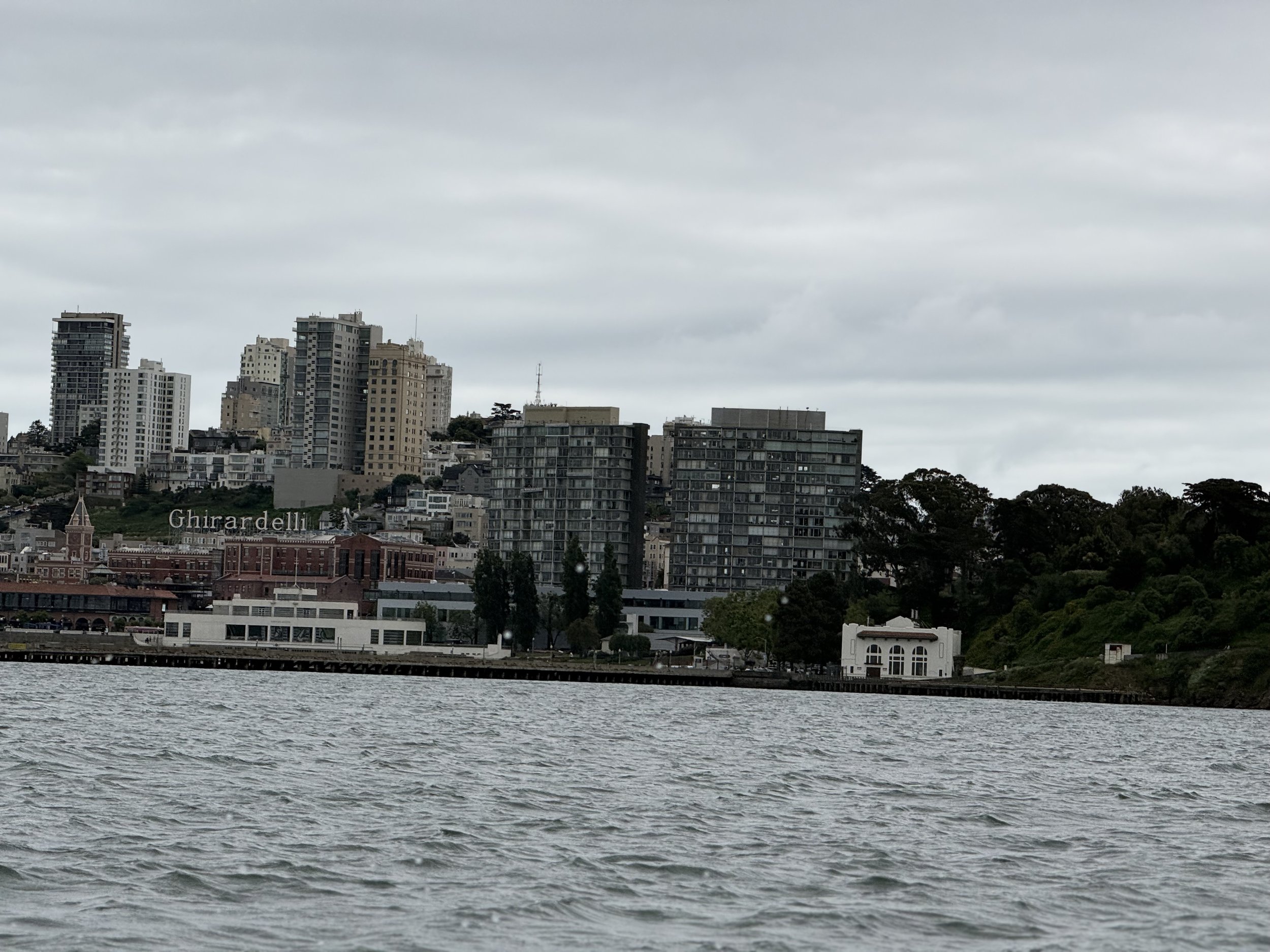
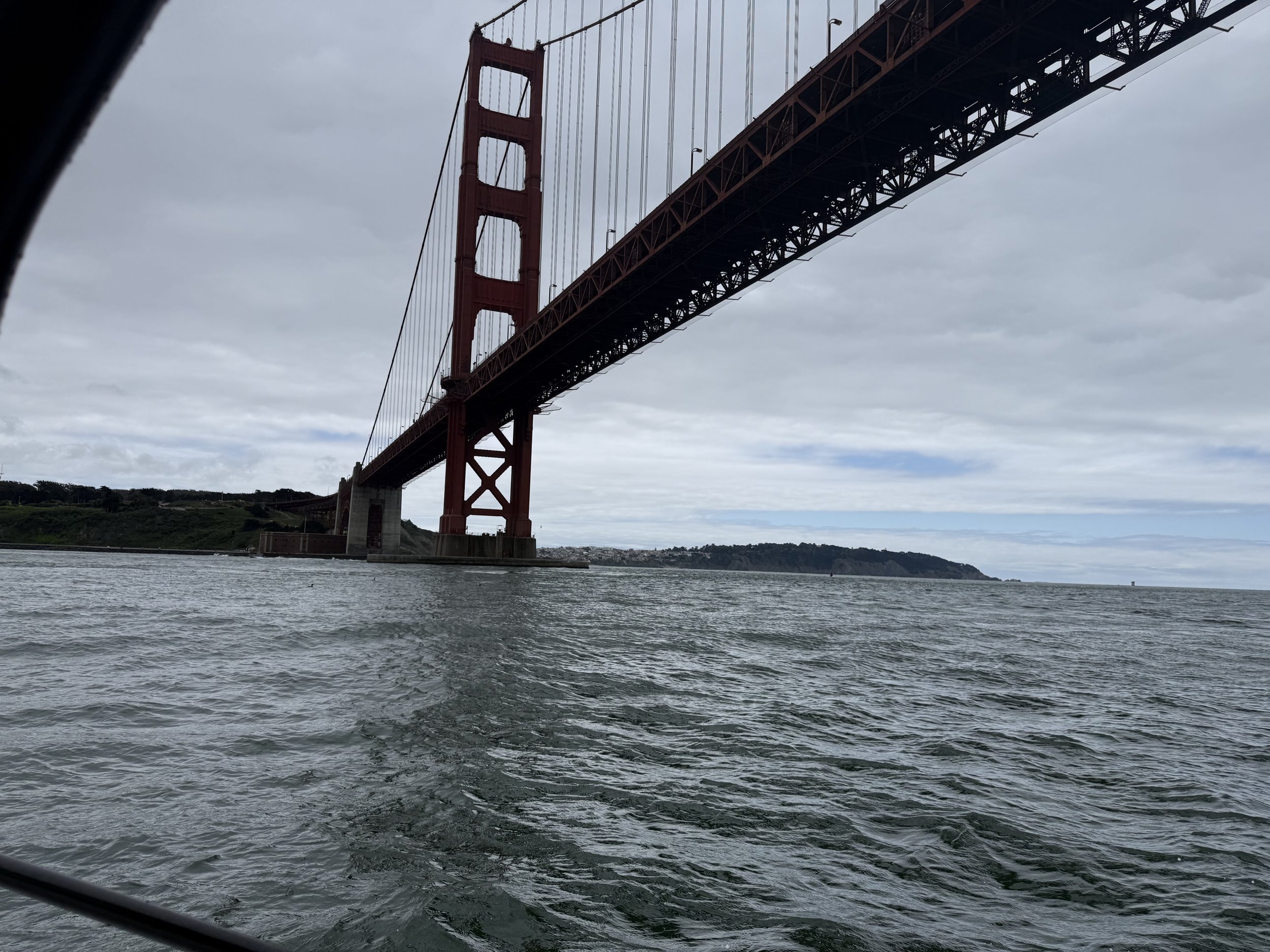
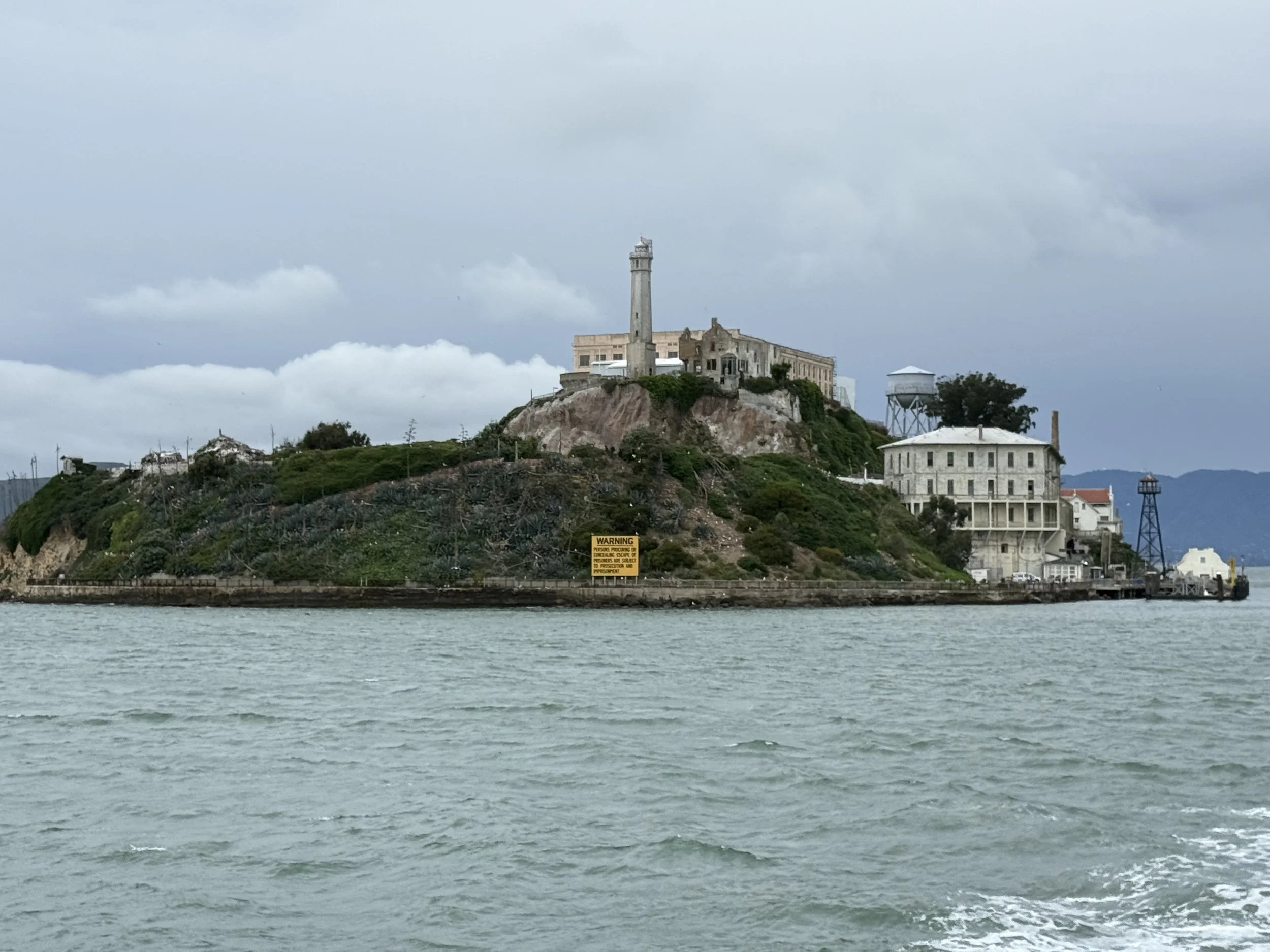
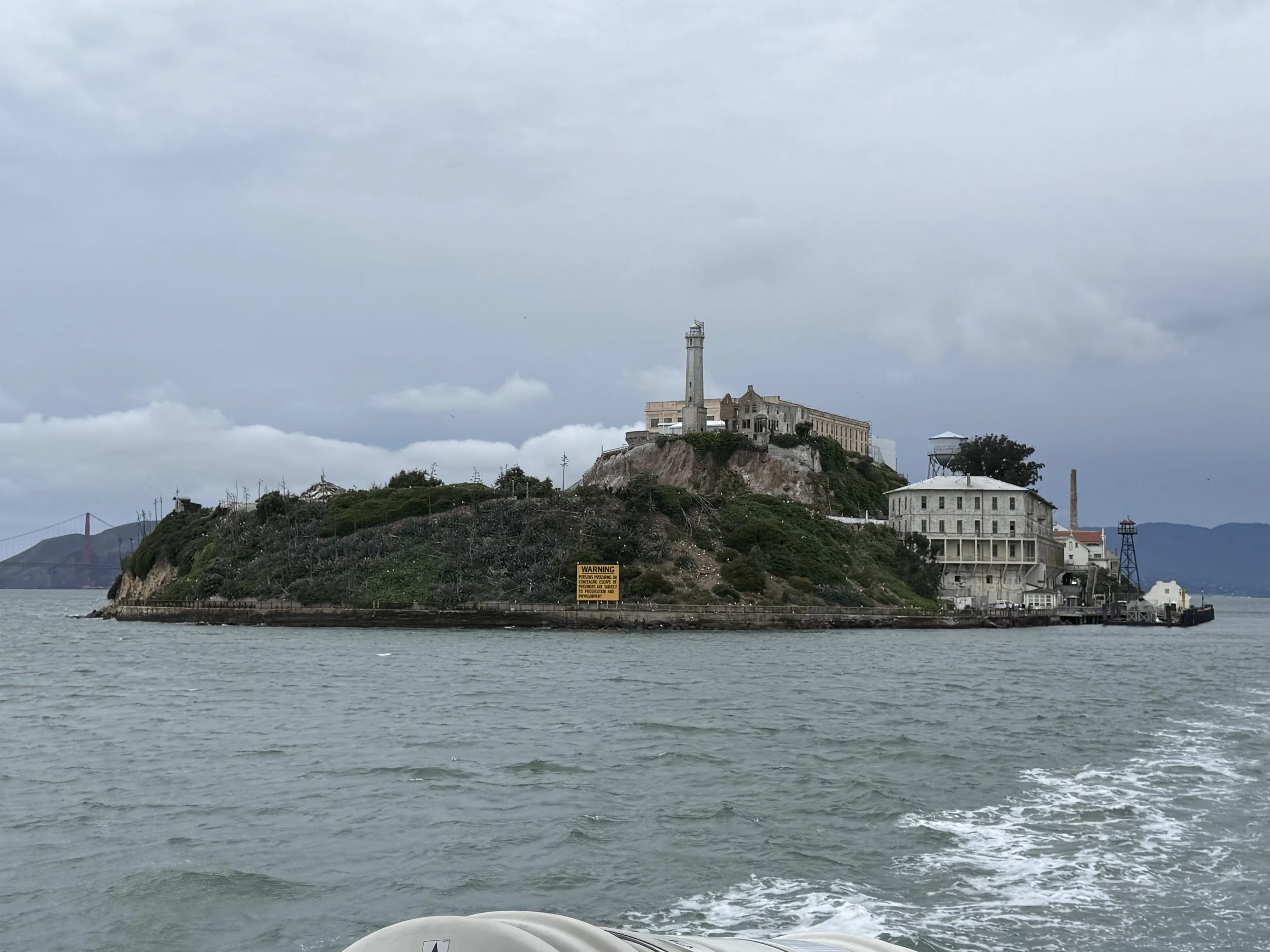
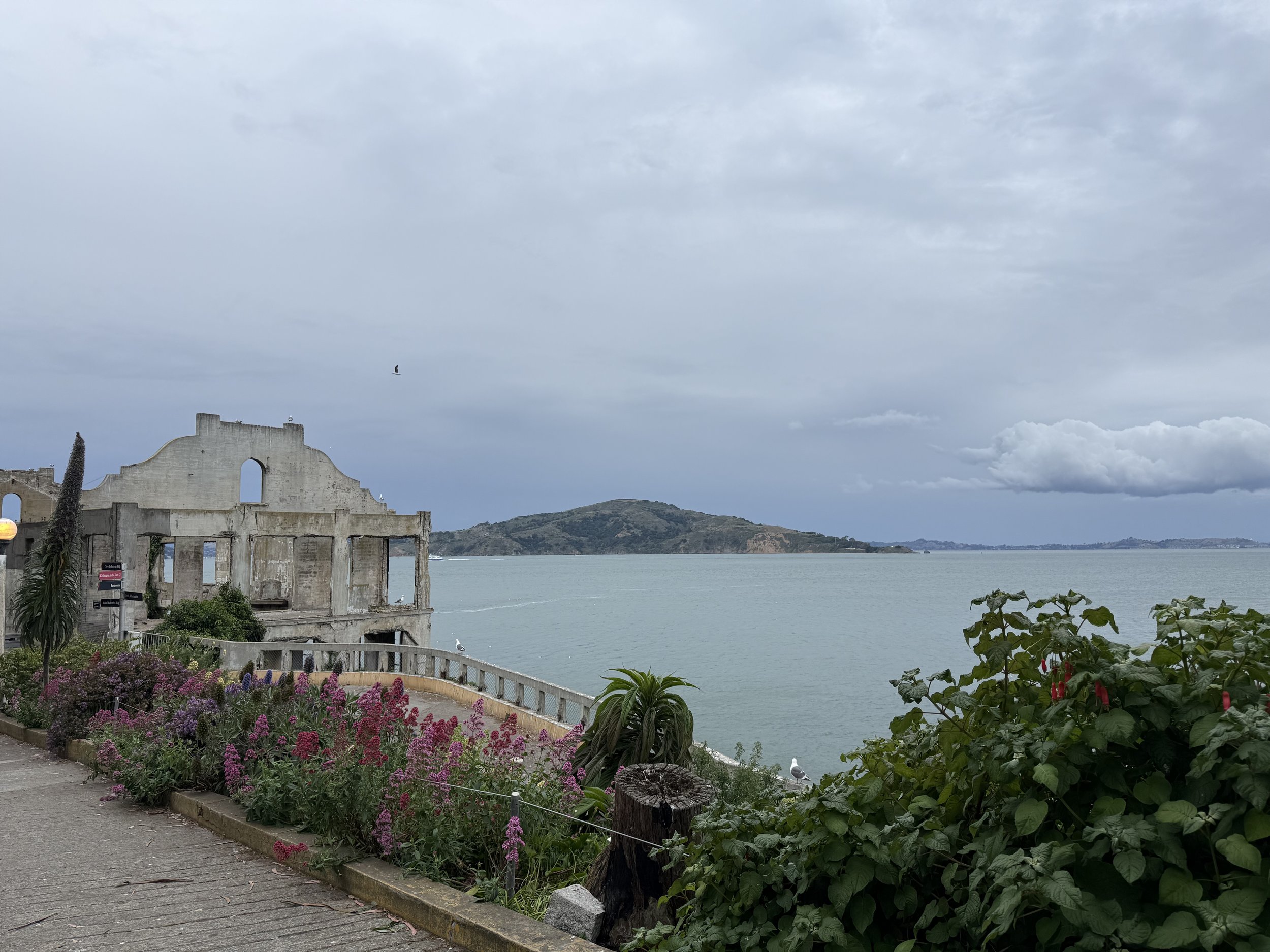
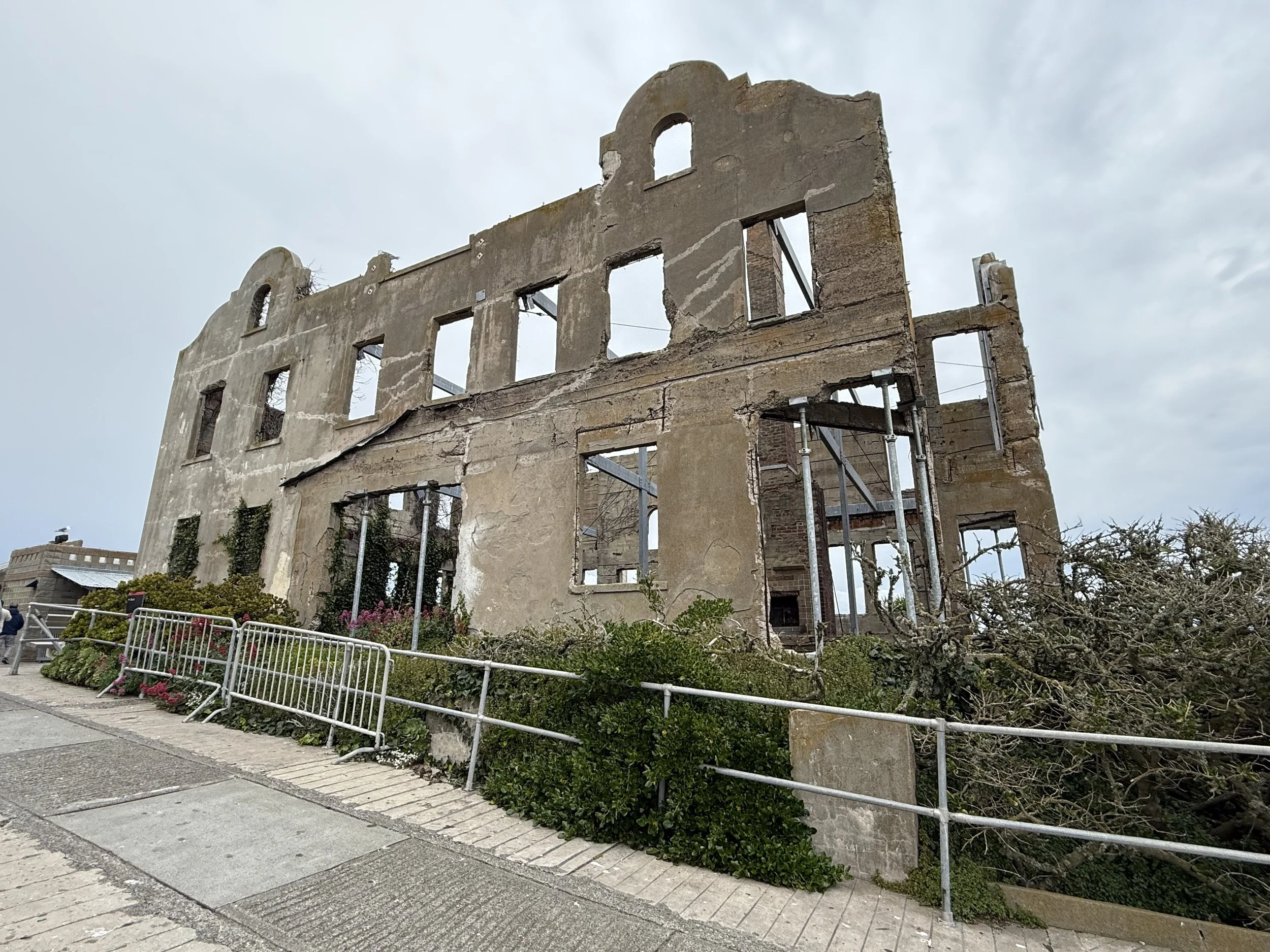
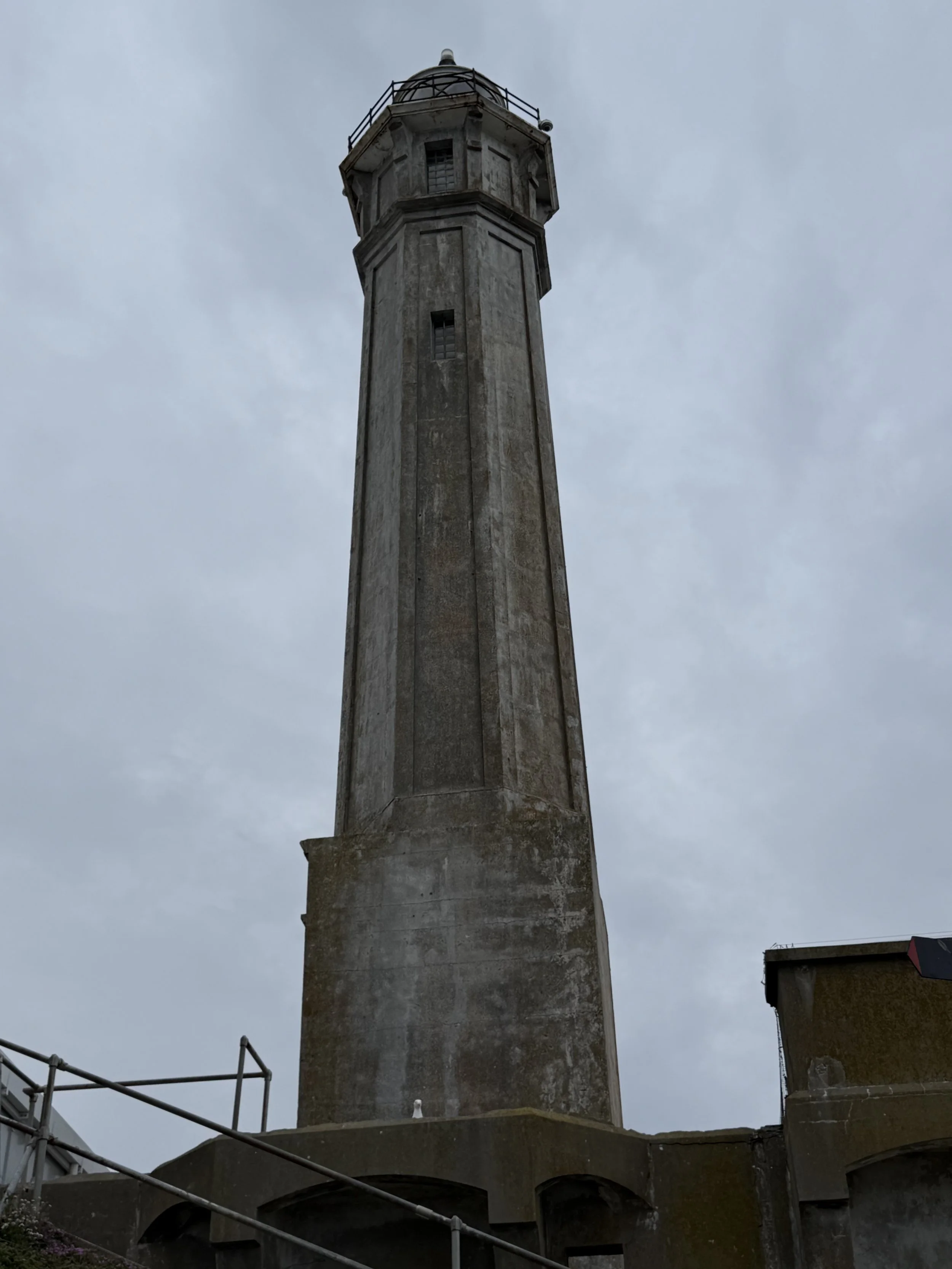
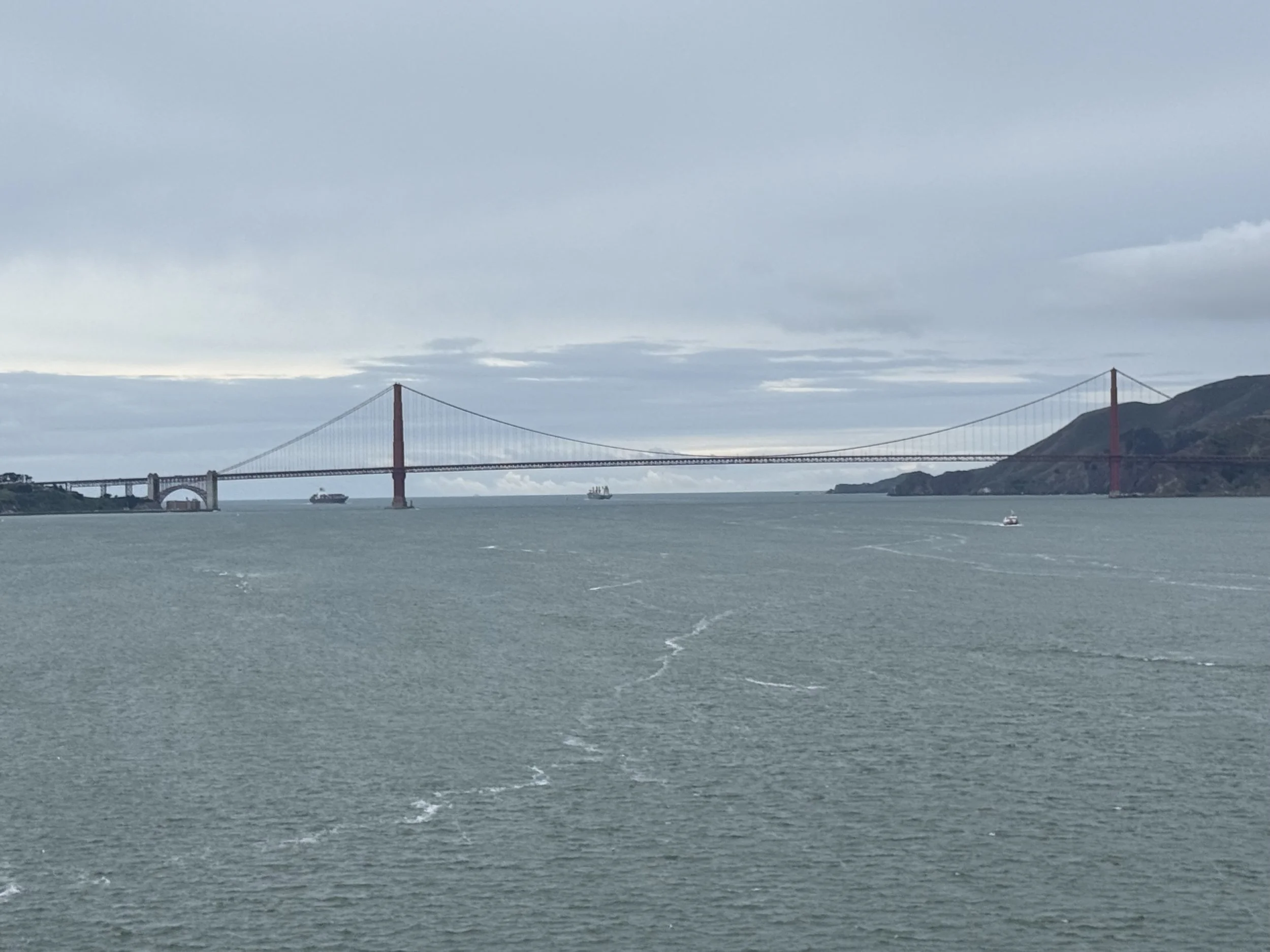
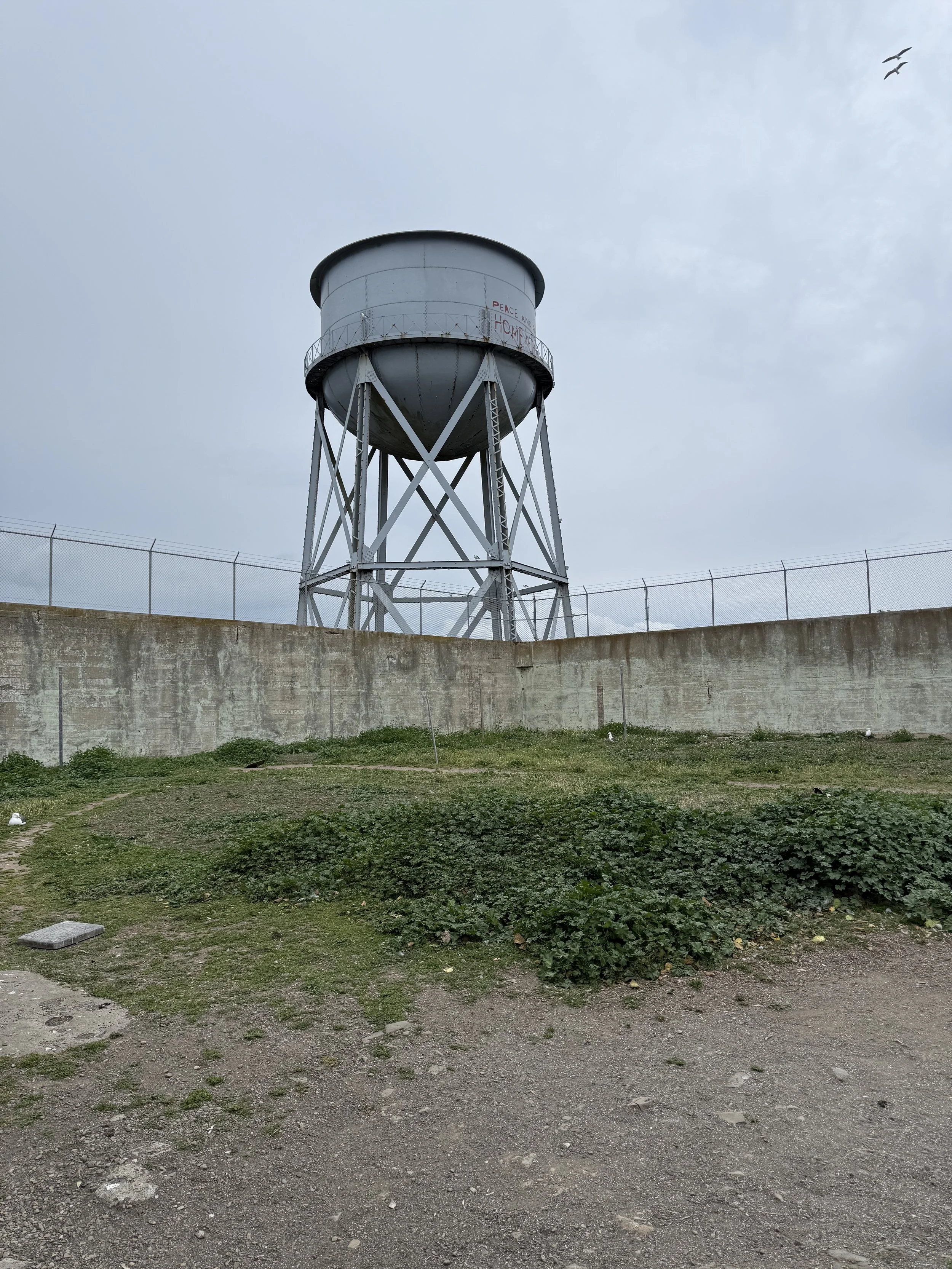
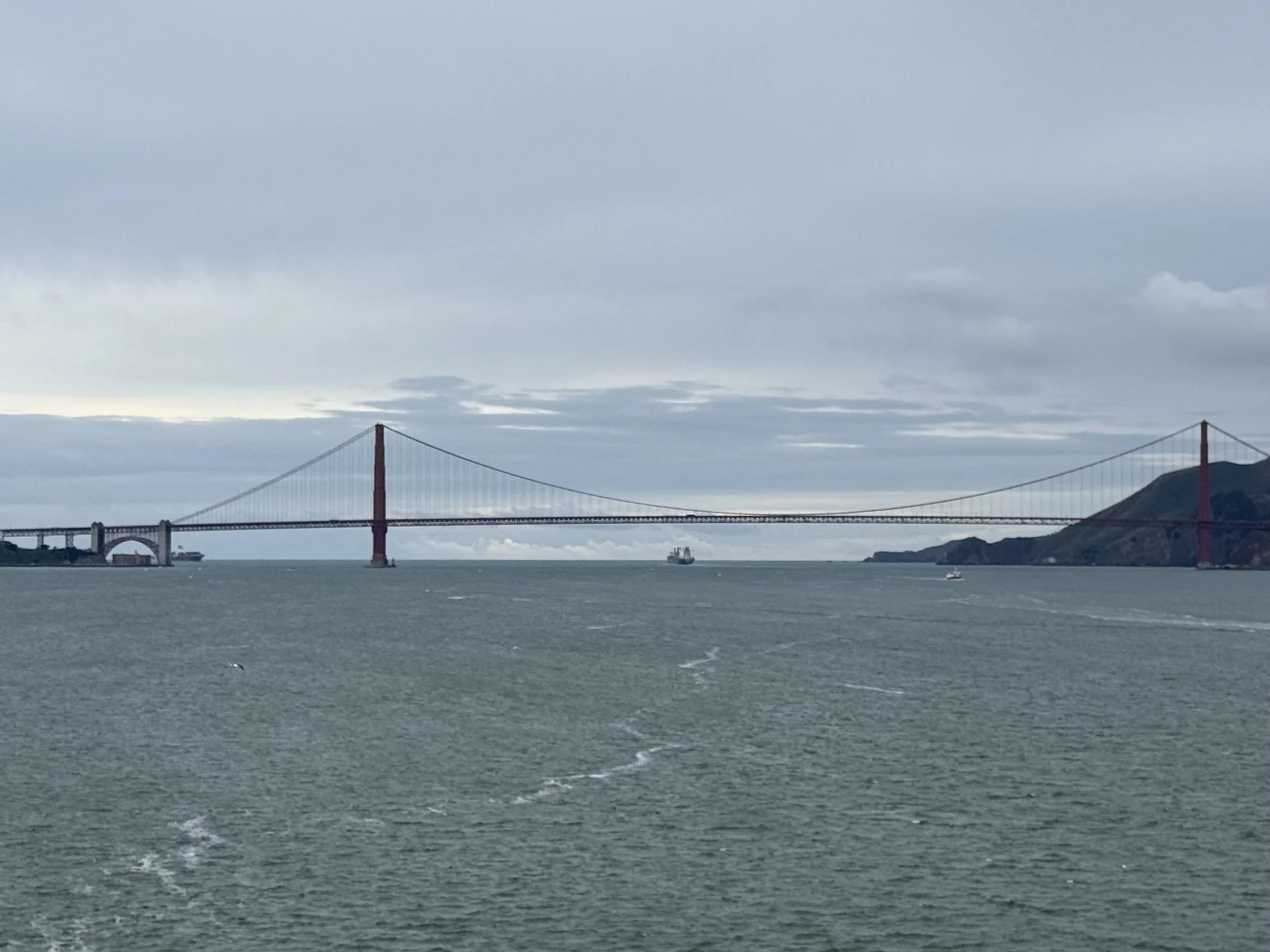
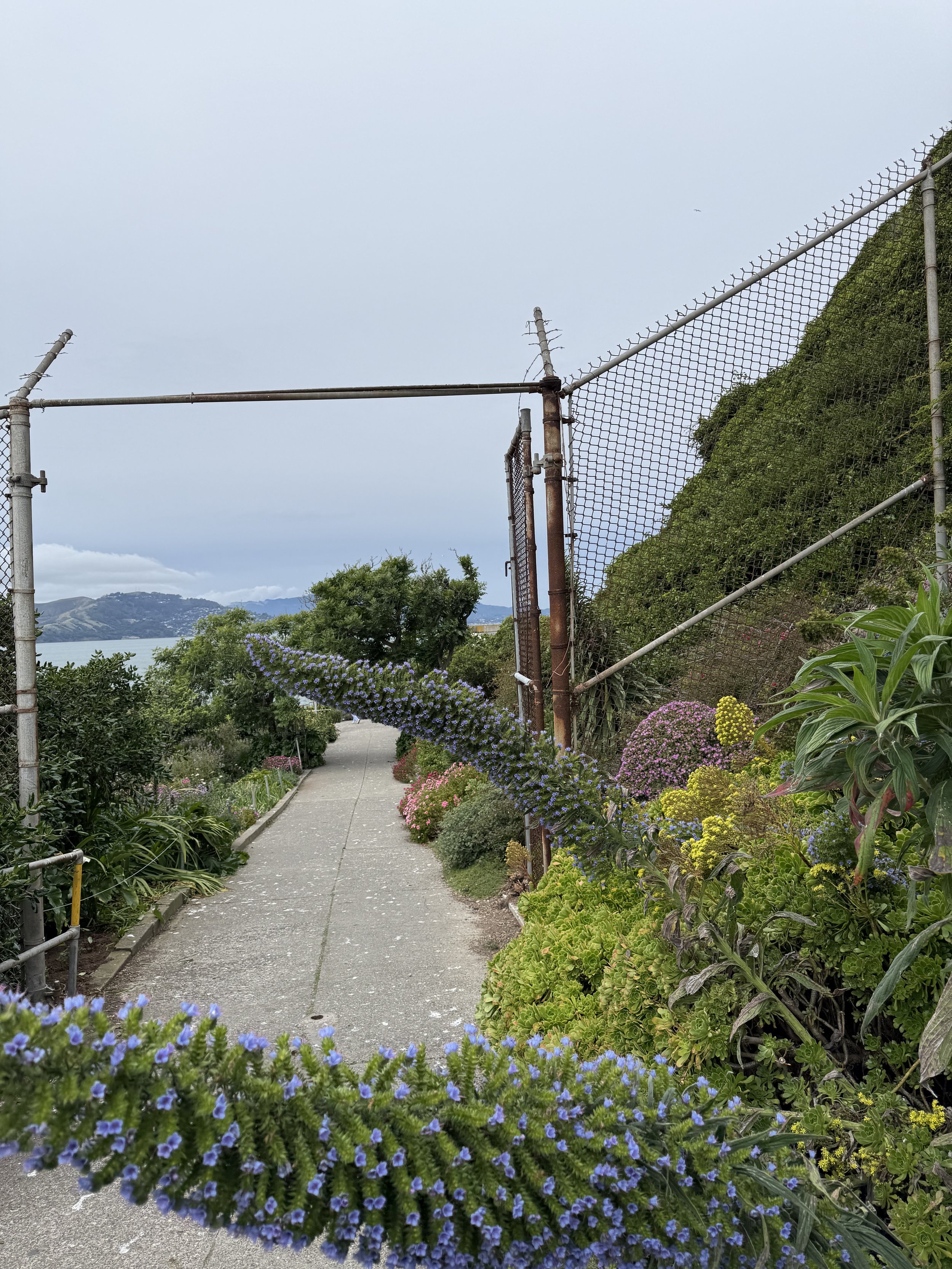
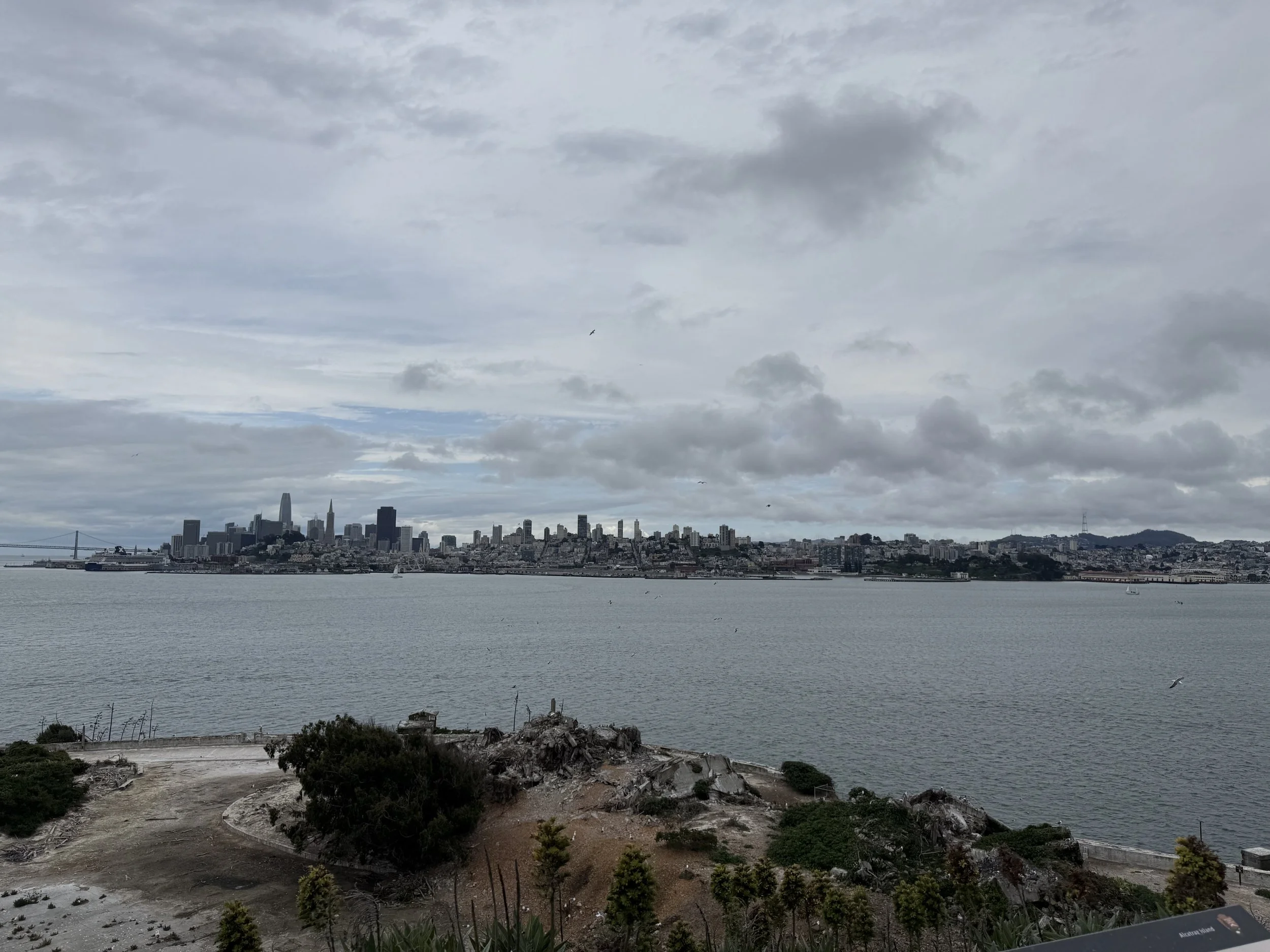
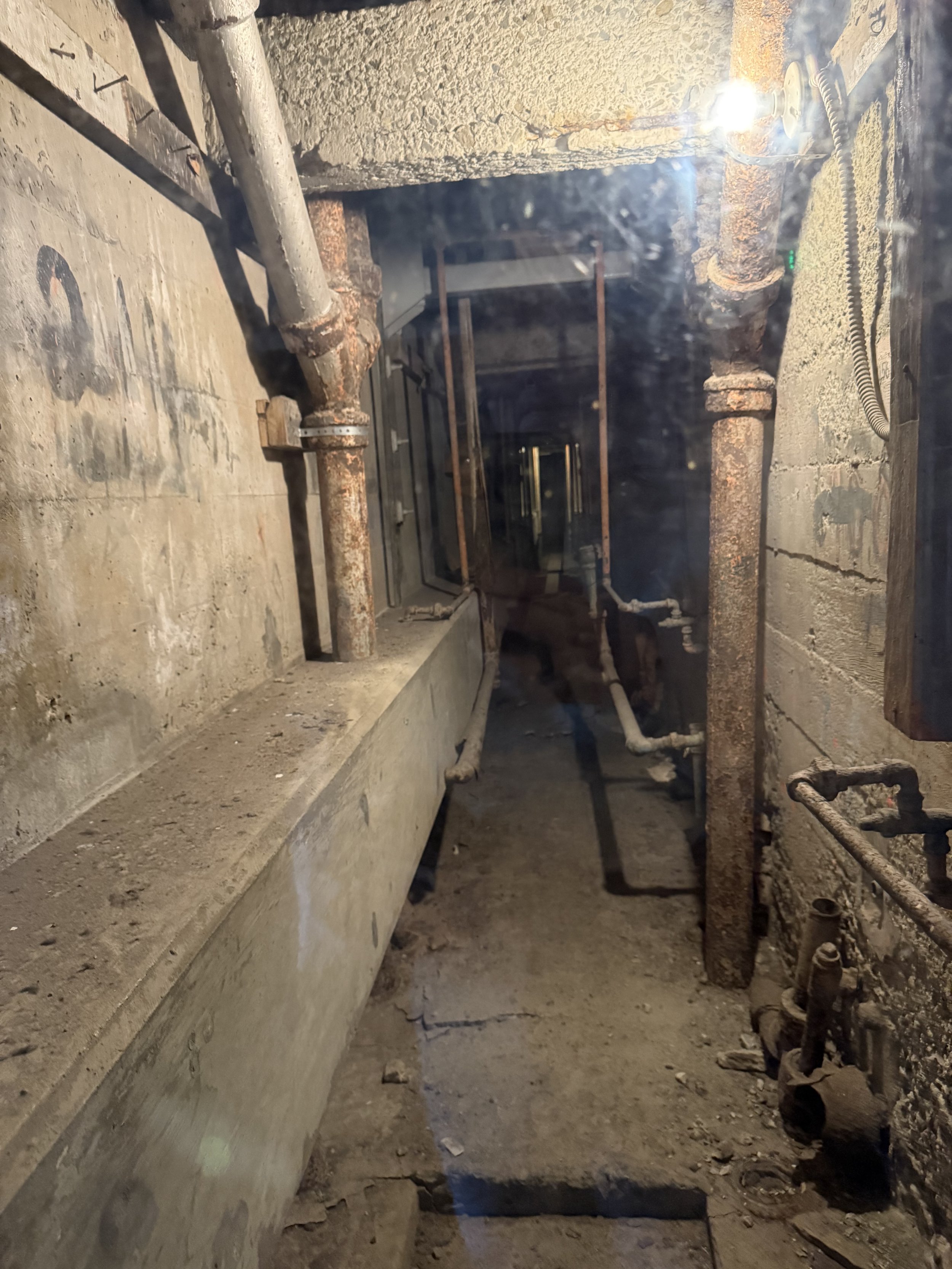
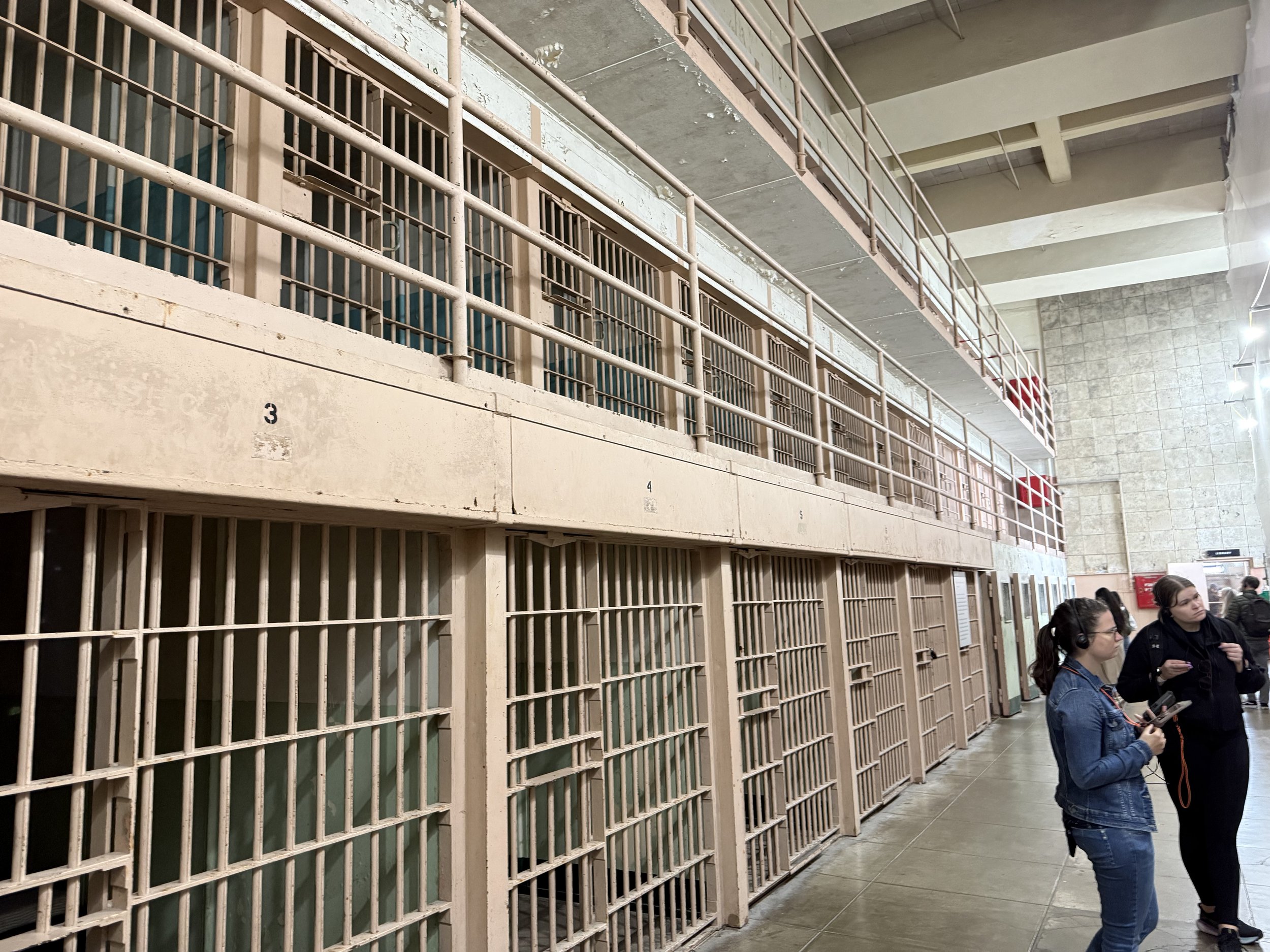
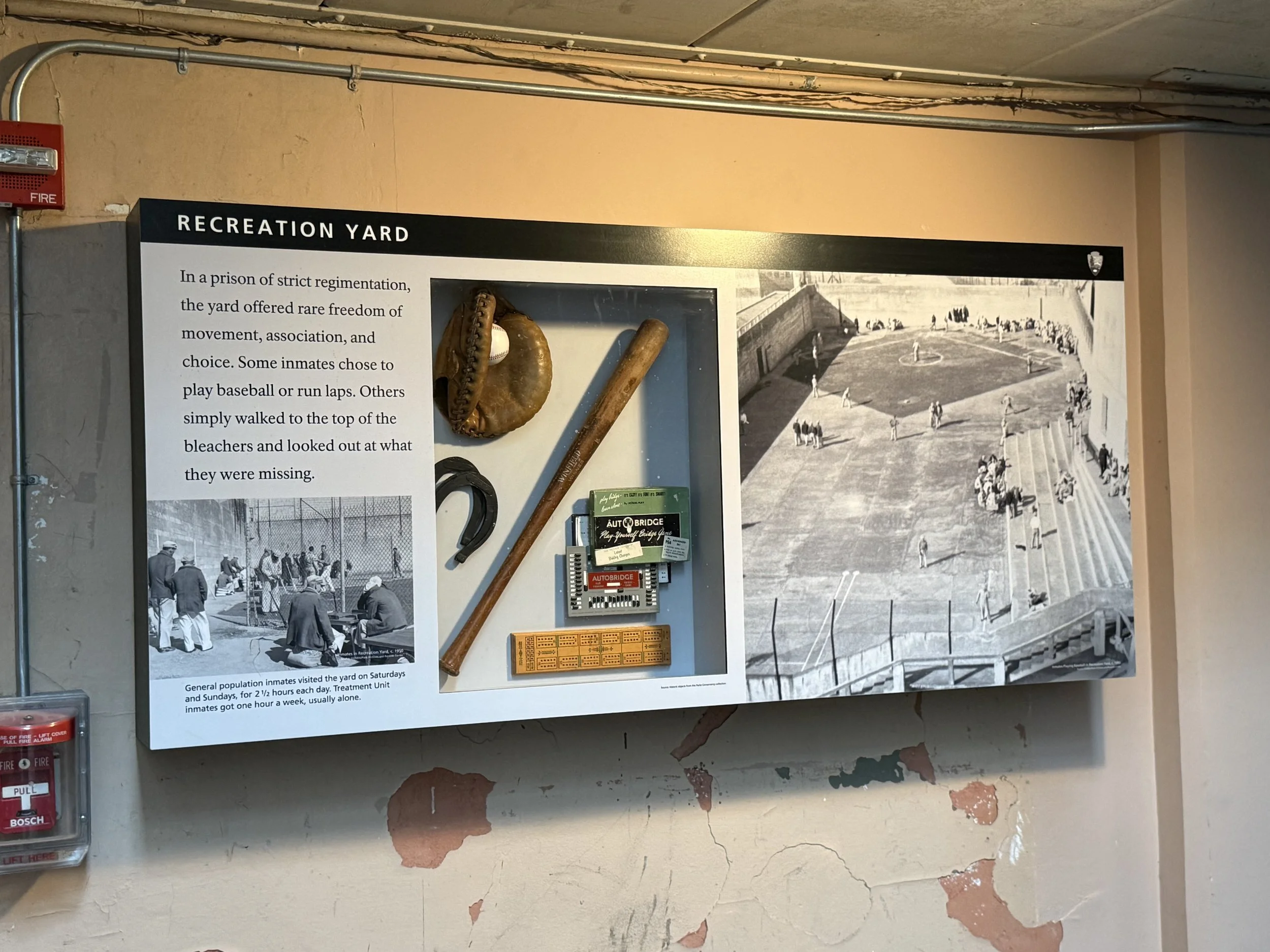
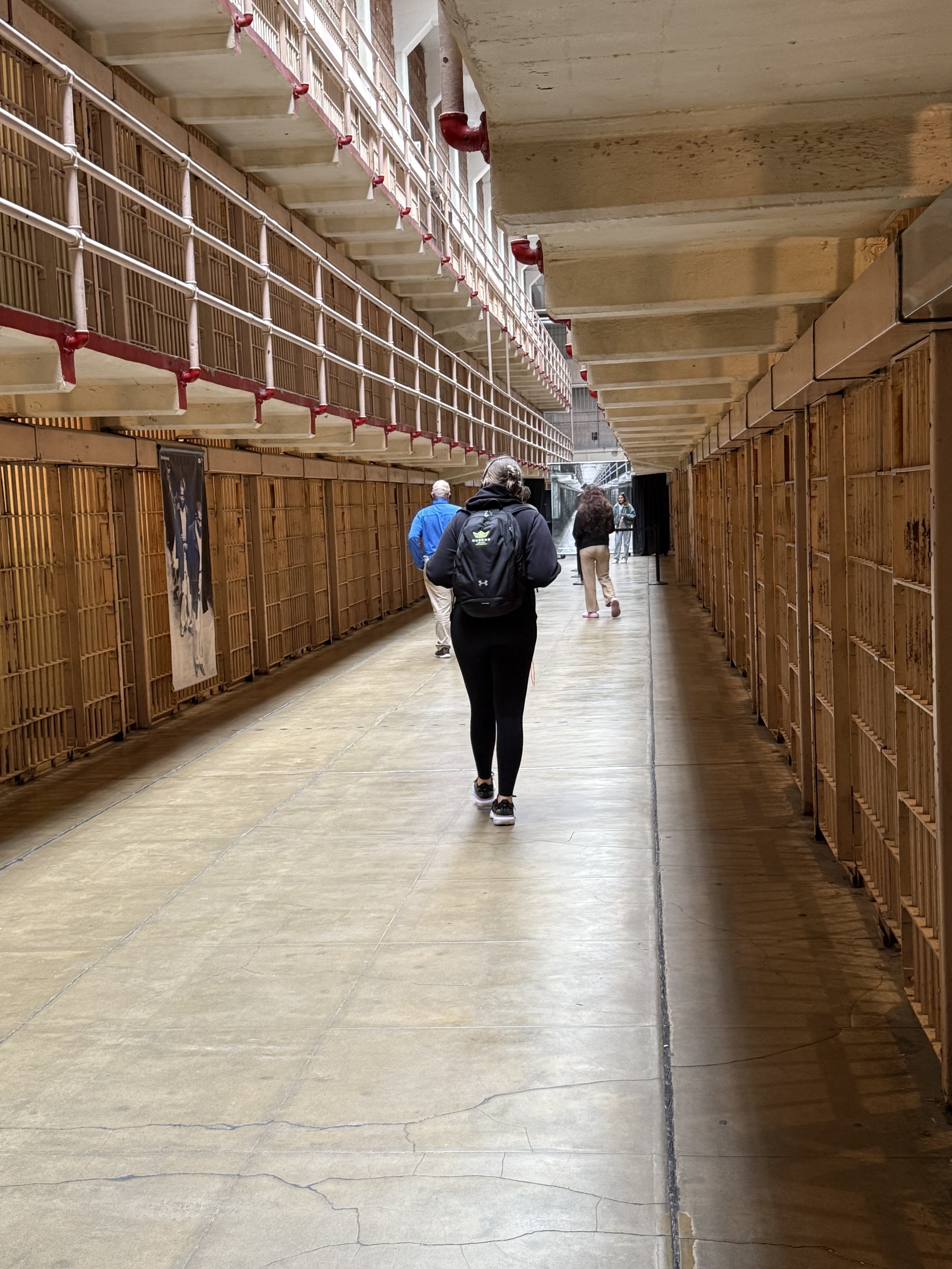
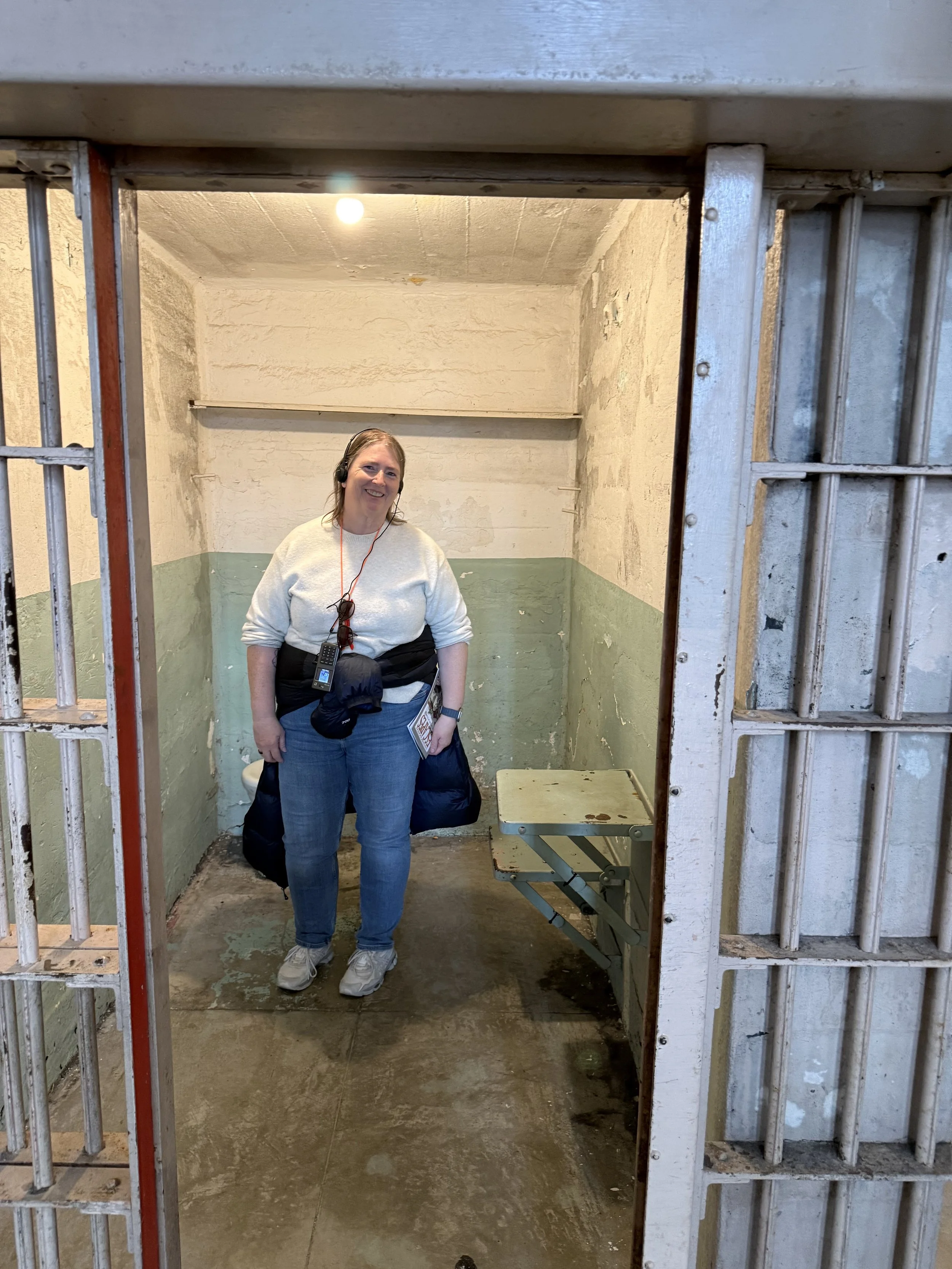
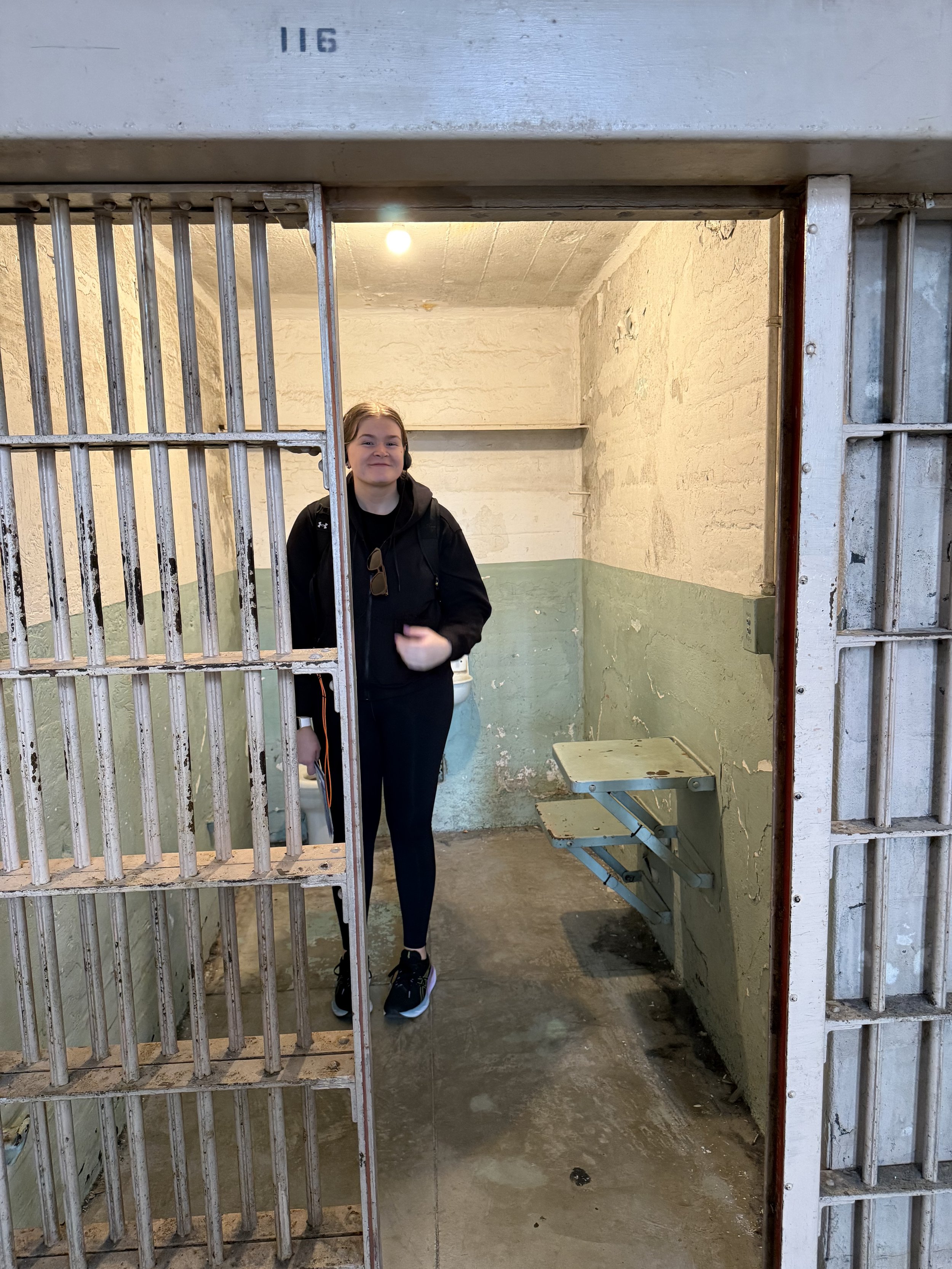
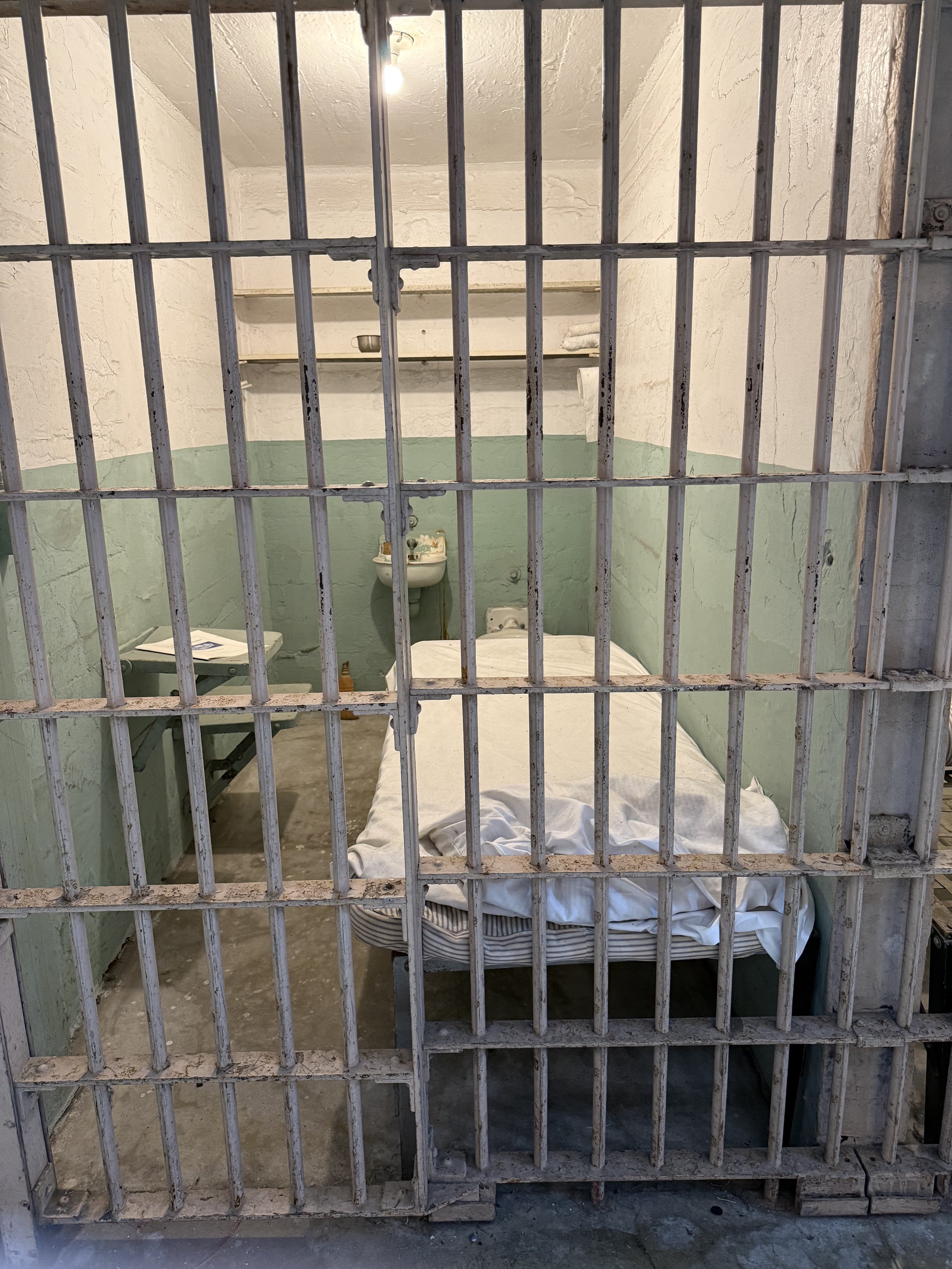
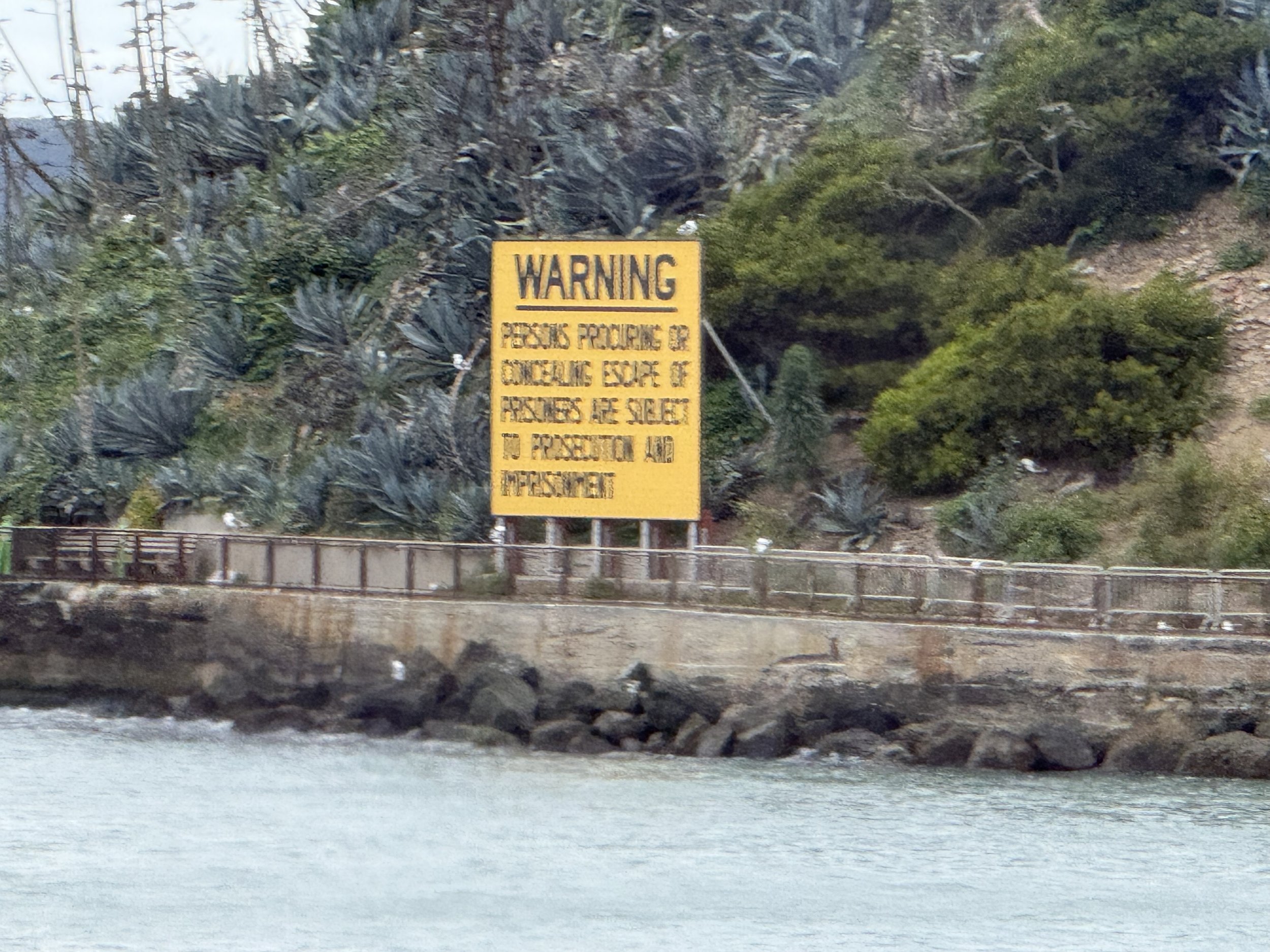
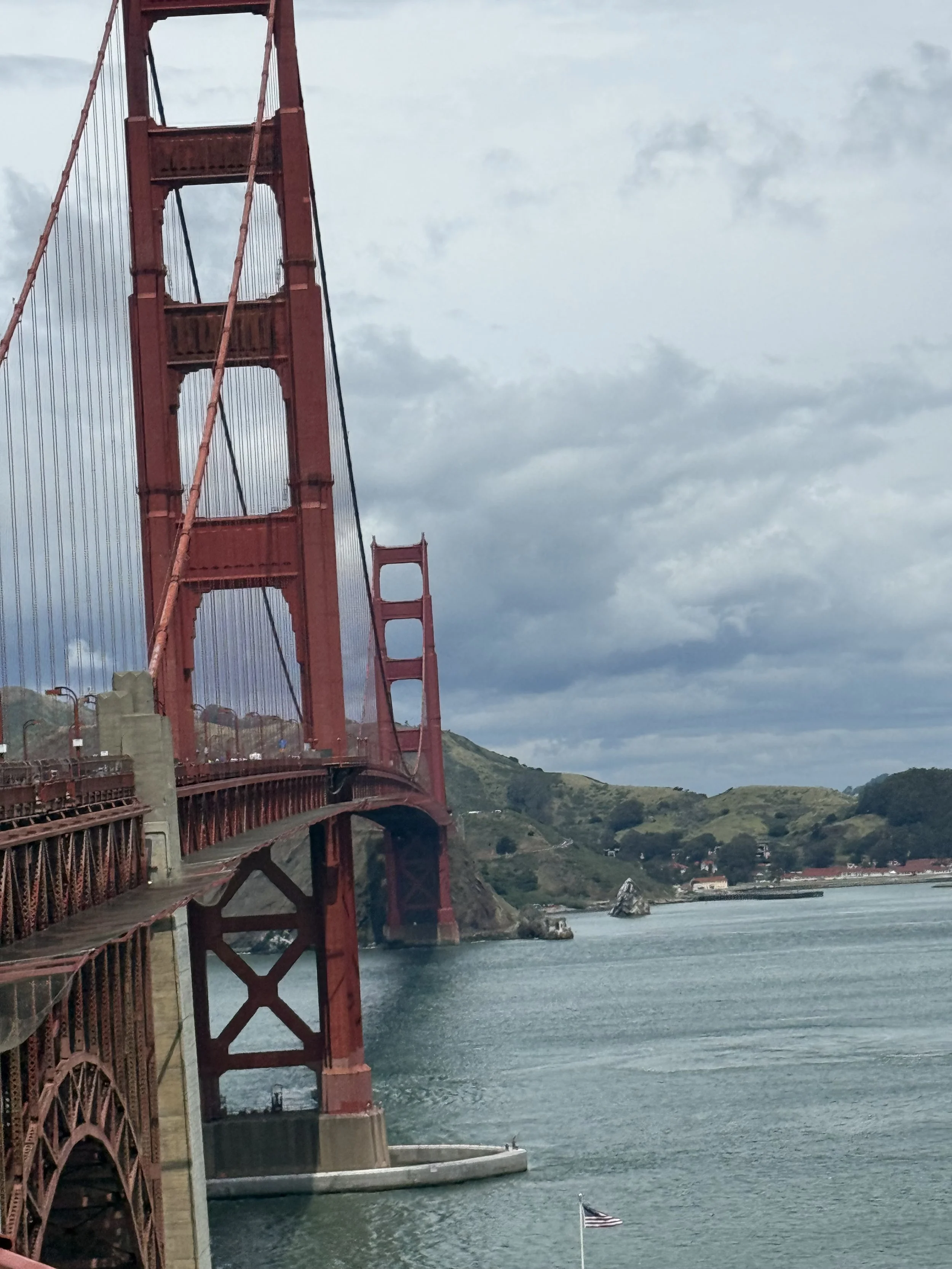
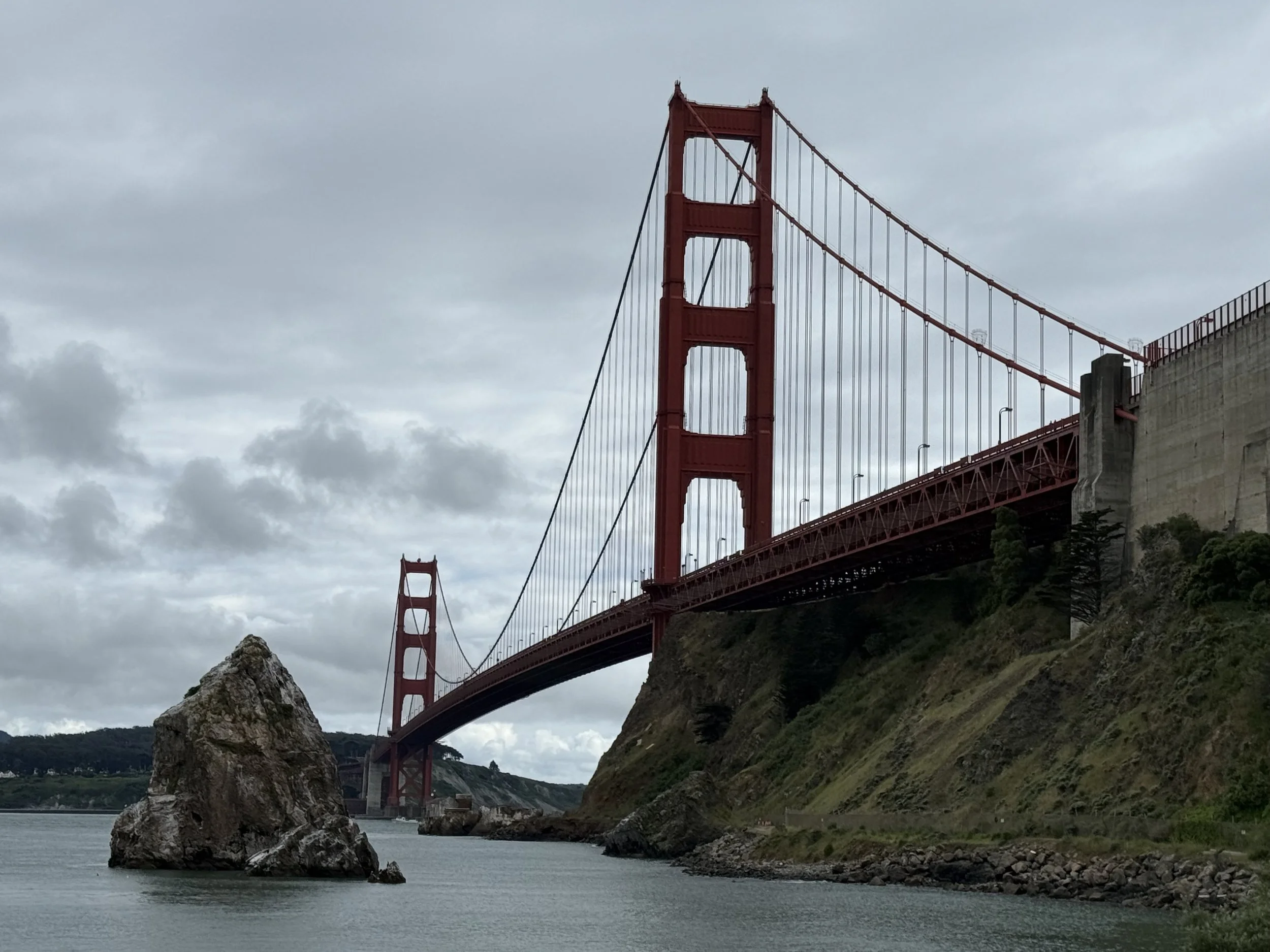
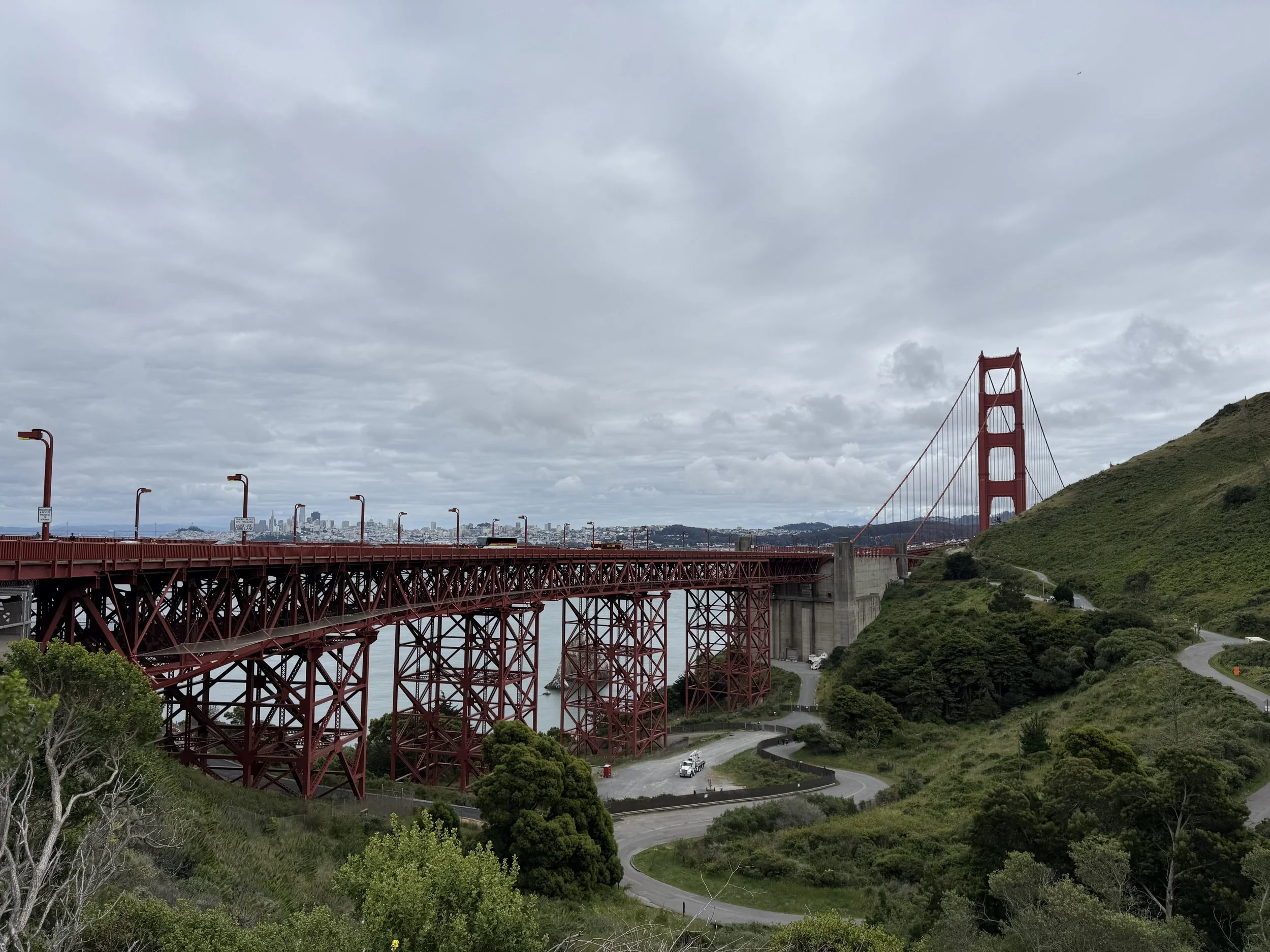
By the time the big day came I had my head around it. I got into the water and had the anticipated initial cold shock response, but managed to start swimming and without the anticipated ice-cream head. All felt good. Sadly, that feeling didn’t last long, I started to feel cold. At about 25 minutes I stopped to say that I didn’t think I could do 2 hours of this. It was at this point that I realised that the issue was windchill as when I stopped and went vertical, I felt warmer. However, I couldn’t do 2 hours in a vertical position. So, after another 10 minutes or so I gave up with my tail between my legs.
With hindsight, I wasn’t as cold as I perhaps thought as whilst I had a small shiver, it wasn’t a big shiver and I rebounded quickly.
I returned home without a qualifier.
I pondered a lot on why everything felt so much harder now. Yes, it’s been a while, and no I’m not doing as much training as before, but that didn’t fully explain it in my mind. With the aid of my good friend ‘CoPilot’ I found that both spondylitis and PTSD impact my ability to handle the cold:
Spondylitis: axial spondylitis creates an inflmatory burden and even when well control it means my body is working harder leaving less energy for thermoregulation and recovery - making the cold feel harder. Furthemore, the type of pain I have can make you more sensitive to physical comfort meaning the cold may feel more painful than previously.
PTSD: with a nervous system operating close to capacity, there is less capacity to tolerate the additional stress of cold water. As a result, cold water can often trigger the fight or flight response much earlier than I had previously been useful (it’s true in my case - cold led to a very quick ‘I need to get out’ type of response.
So, armed with better understanding of what was going on, I felt a lot more self compassion and needed to build a gentle plan that enabled me to build success gradually whilst simultaneously rebuilding confidence.
Over the period between Thursday and Monday over the bank holiday weekend I planned 4 swims, progressively increasing how long I was in the water. This felt really helpful and whilst I still didn’t find it easy (except the last swim), I was able to break it down into chunks of time and effort that felt achievable, recognising the little sucesses along the way. It’s a shame that was when the first UK heatwave of 2026 started. The first lake swim was 16.5C (marginally too warm), but by the end of the long weekend it was 21C! This meant that the qualifier wasn’t going to be possible in the lakes, I would need to head back to the sea.
So, the following weekend I headed to Dover Harbour and swam with Nicola. It was a weird experience, just before the end of the first hour I was cold and was shivering in the water. My jaw hurt a lot through clenching my jaw in the cold. At this point I couldn’t see how I could possible last more than another over. I did keep going though. At about 90 minutes I reached equilibrium and felt absolutely fine; and not long after I became confident that I could finish the swim and I did. What was also surprising to me is that I didn’t need to put on all the layers (e.g. no coat) and I didn’t shiver afterwards. That’s the difference that warm air temperature makes.
So that was it, the big hurdle was achieved, I was now cleared to do the relay that was booked for the year. I did still need to do more training to build on what I’d done, but there wasn’t the opportunity for much given how early in the season the relay was.